 English
 русский
 中文简体
中文简体
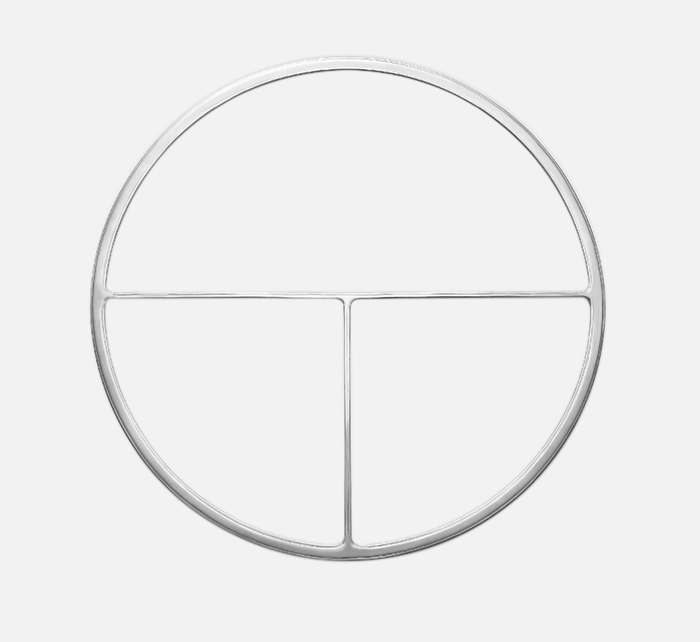 Double Jacketed Gasket with bars
 Double Jacketed Gasket with bars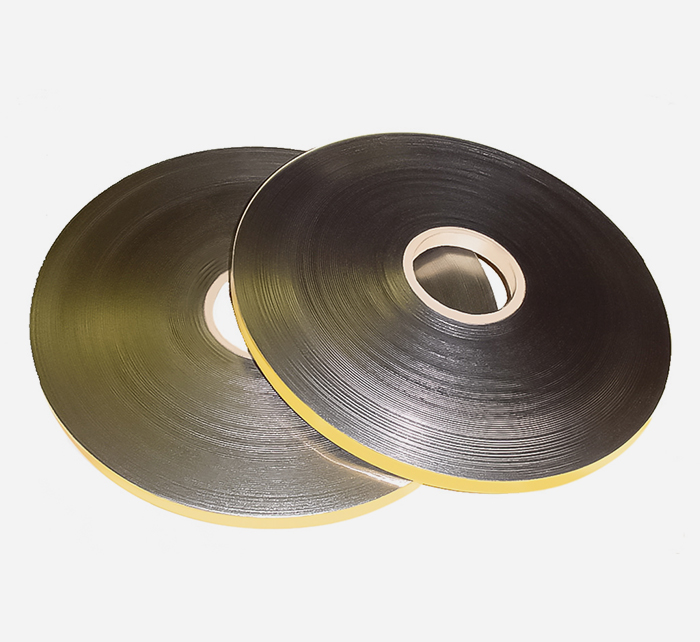
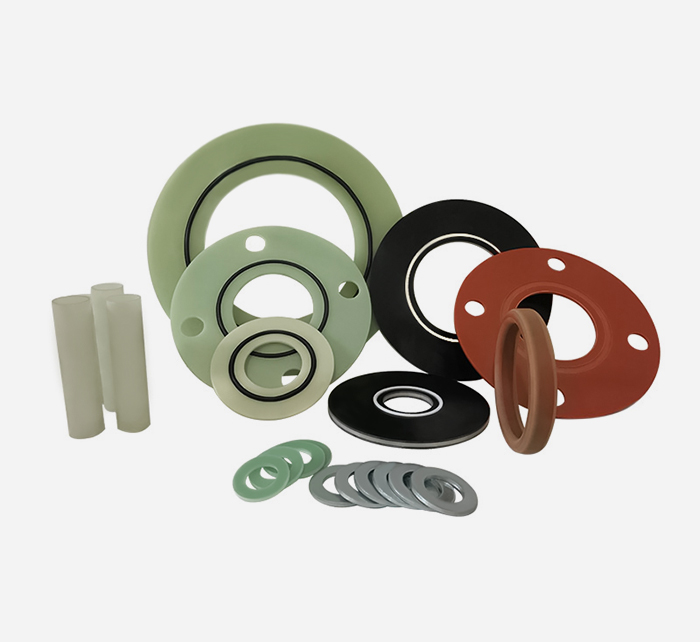
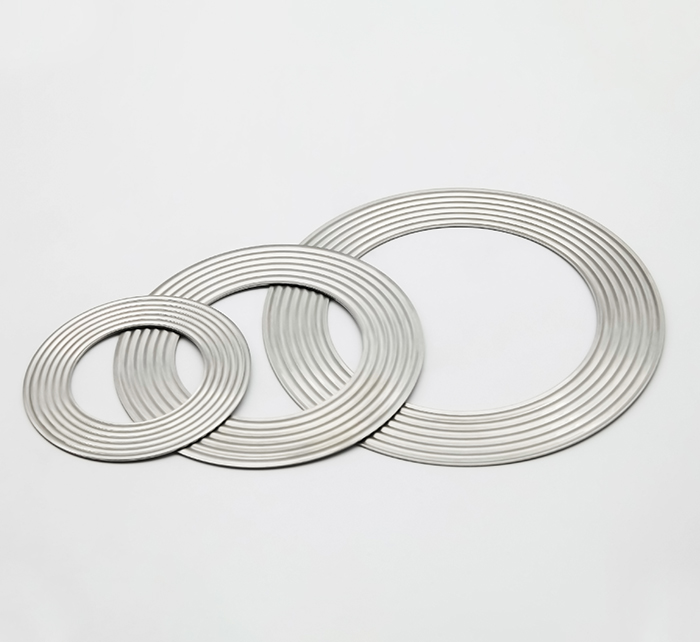
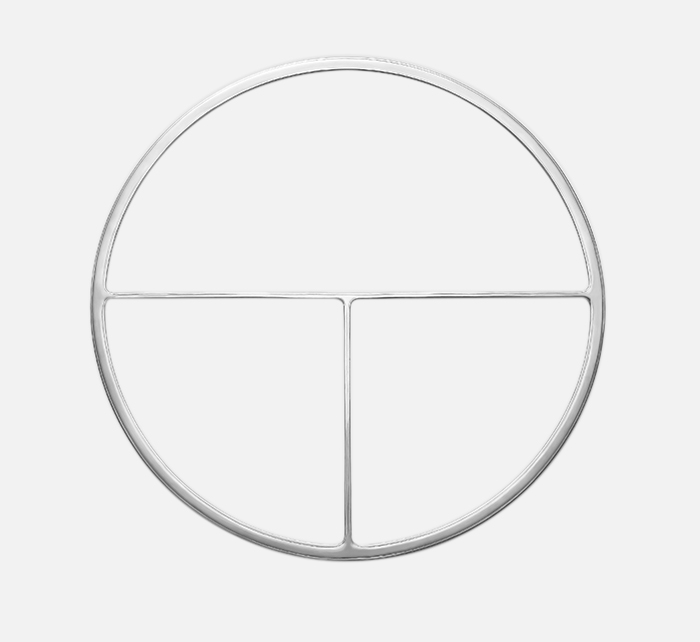
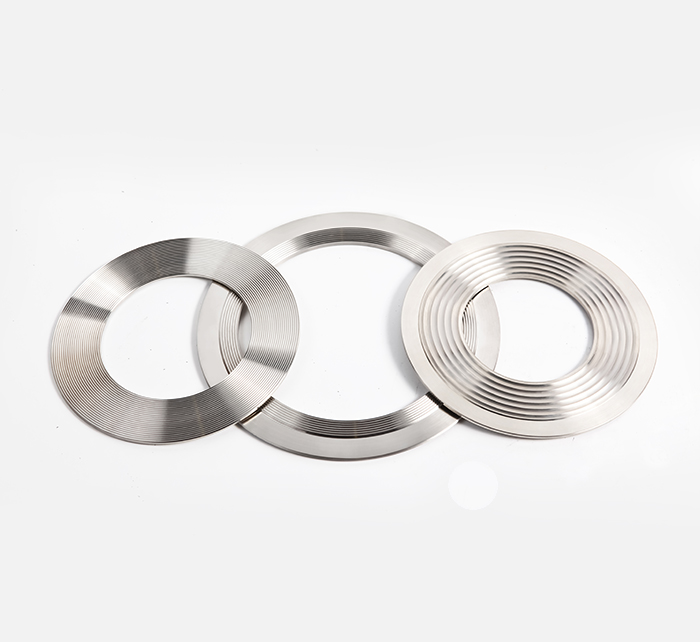
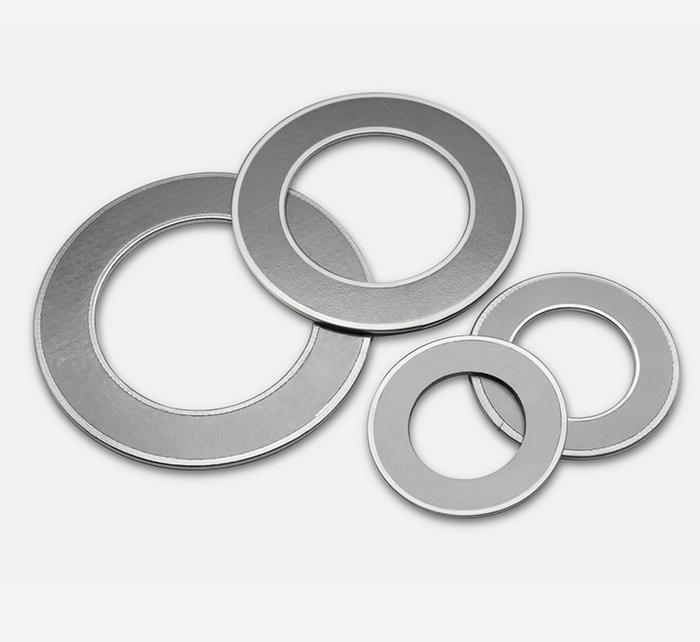
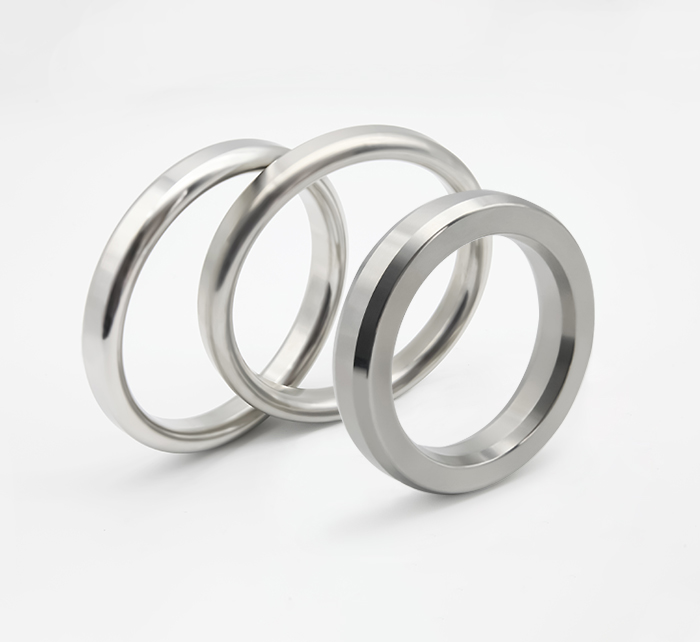
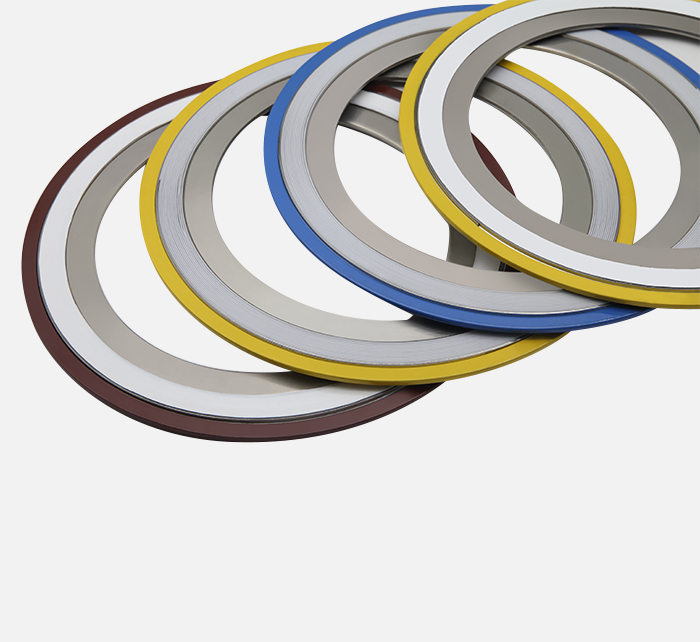
Ningbo Rilson Sealing Material Co., Ltd. was founded in 2007, is a professional Heat Exchanger Gaskets manufacturer and Heat Exchanger Gaskets supplier and located in Ningbo, Zhejiang Province. The manufacturing facility spans across 20,000 square meters and is dedicated to ensuring the secure and dependable operation of fluid sealing systems, offering clients the appropriate sealing technology solutions. We operate numerous production lines for sealing products, specializing in the design and manufacture of sealing gaskets and other sealing materials for the petroleum, chemical, power, shipbuilding, and machinery manufacturing sectors. Our primary products consist of spiral wound gaskets, ring joint gaskets, kammprofile gaskets, corrugated metal gaskets, insulation kit gaskets, and Non-asbestos gaskets, among others.
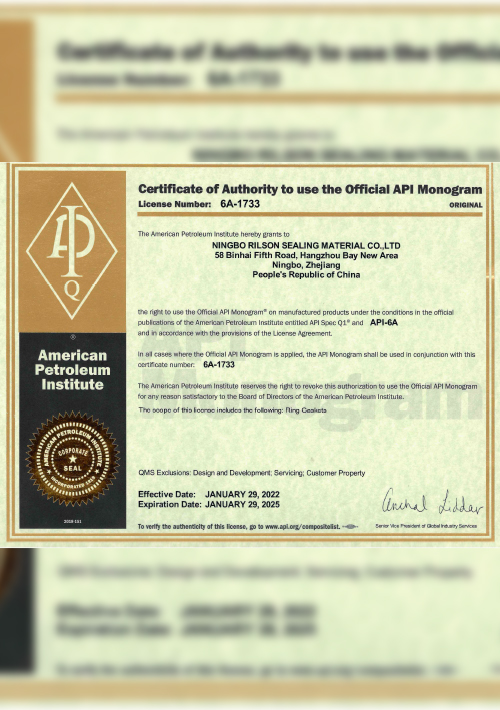
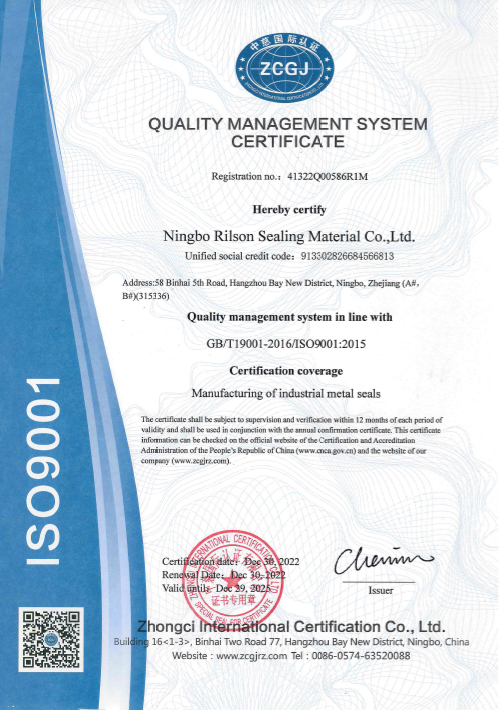
Our clientele hails from various parts of the globe, and through our extensive experience in the industry, we have earned the trust and recognition of our customers. Presently, we have obtained certifications from several prominent companies. Additionally, we have successfully achieved ISO9001:2015 quality management system certification, as well as the API 6A certificate, among others.
As a professional Heat Exchanger Gaskets factory, The company is dedicated to delivering value to customers, promoting health and happiness among workers, and producing positive social effects. We uphold the core principles of integrity, precision, innovation, and mutual success. With the aspiration of becoming the preferred brand in industrial gaskets, we are committed to establishing ourselves as a top-tier player in the fluid sealing industry and working towards the objective of ensuring mutual satisfaction among customers and employees.
CLADDING METAL
Soft Iron, Low-carbon steel, melt aluminum, Copper, Brass, Cupronickel 90%/10%, 70%/30%, Inconel 600,800, and different grades of Stainless Steel.
FILLER
Common filler materials used are Asbestos mill board, CAF, asbestos, PTFE, and Grafoil. We have adequate capacity to produce any shape and size with many compartmental ribs out of different materials for heat transfer equipment, coolers, condensers, joints, etc. Heat Exchanger gaskets are more compressible than sole-metal corrugated types and offer better compensation for flange irregularities when high pressures are to be sealed.