1. Ring Joint Gaskets for High Pressure Industrial Sealing
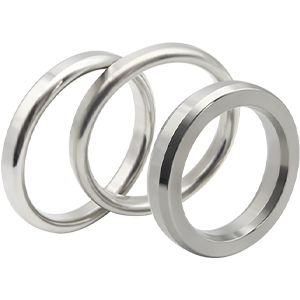
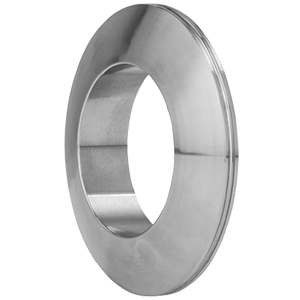
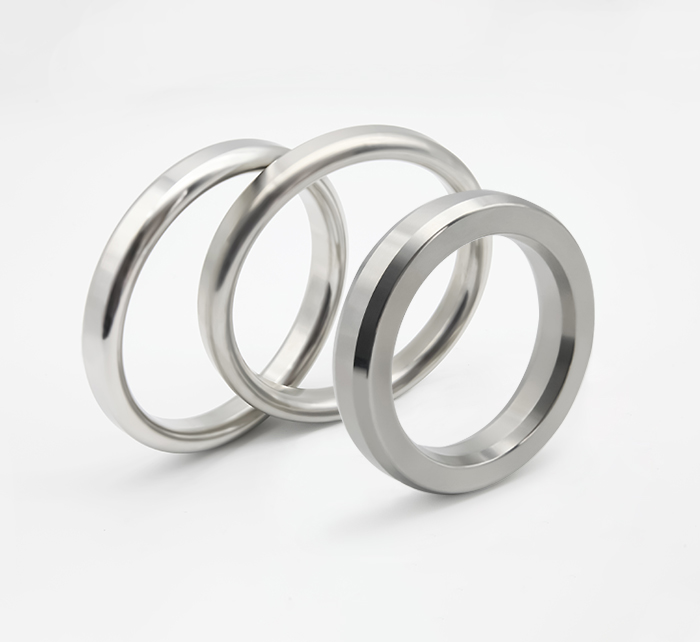
Ring Joint Gaskets, commonly known as RTJ gaskets, are precision-engineered metallic sealing components designed for extremely high-pressure and high-temperature applications. These gaskets are widely used in the petroleum, natural gas, offshore drilling, and petrochemical industries where sealing reliability is critical.
Unlike soft gaskets, Ring Type Joint Gaskets create a metal-to-metal seal by applying bolt load pressure between the gasket and flange groove. The softer gasket material deforms into the harder flange surface, producing a highly efficient sealing interface capable of handling pressures above 20,000 psi.
(1)Main Applications of RTJ Gaskets
- Oil and gas production systems
- High-pressure pipeline flange sealing
- Offshore drilling equipment
- Petrochemical pressure vessels
Industry studies indicate that properly selected RTJ gaskets can reduce flange leakage incidents by more than 65% compared with conventional sealing solutions.
A custom RTJ gasket manufacturer for high pressure flange applications provides sealing solutions tailored to specific operating environments. Standard gaskets may not perform effectively under unique pressure, corrosion, or temperature conditions, making customization essential in many industrial projects.
For example, offshore oil platforms operating under saltwater exposure often require stainless steel or Inconel RTJ gaskets with specialized hardness control to prevent corrosion-related sealing failures.
(1)Benefits of Custom RTJ Gaskets
- Improved sealing reliability under extreme pressure
- Extended service life in corrosive environments
- Reduced equipment downtime and maintenance cost
- Enhanced compatibility with API flange systems
(2)RTJ Gasket Type Comparison
Comparison of Common Ring Type Joint Gasket Designs
| RTJ Type |
Pressure Capacity |
Typical Application |
| R Type |
Medium to High |
General refinery pipelines |
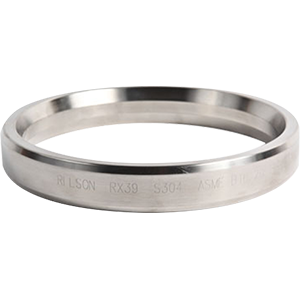
| RX Type |
High Pressure |
API 6B pressure systems |
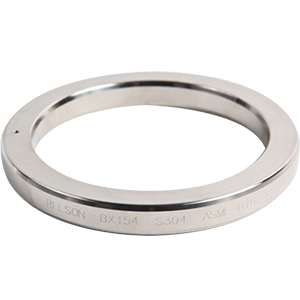
| BX Type |
Extremely High |
Subsea drilling equipment |
3. Professional RTJ Gasket Manufacturing Capability
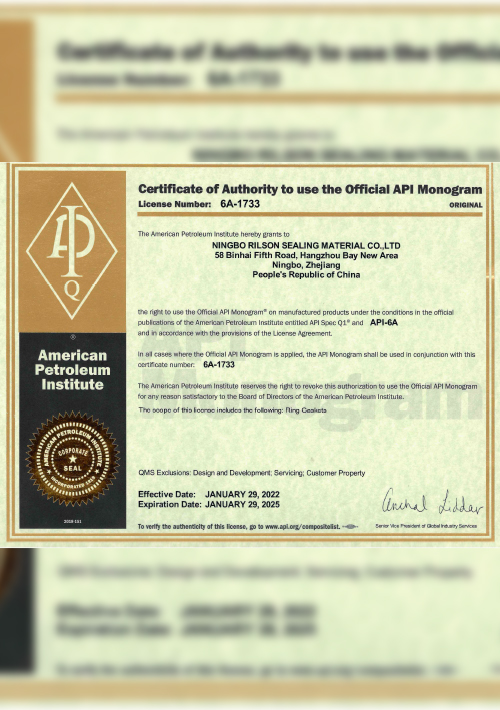
Reliable gasket performance depends heavily on manufacturing precision, material quality, and strict dimensional control. Leading manufacturers follow international standards such as API 6A, API 17D, and ASME B16.20 to ensure sealing consistency.
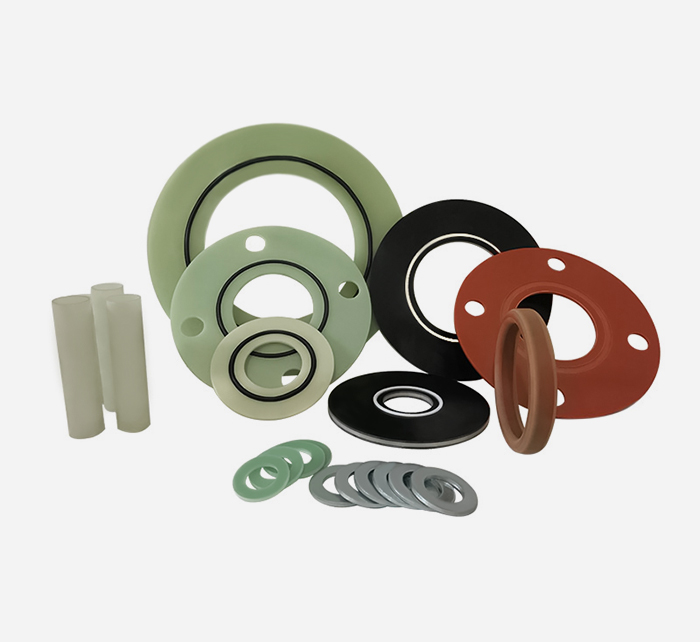
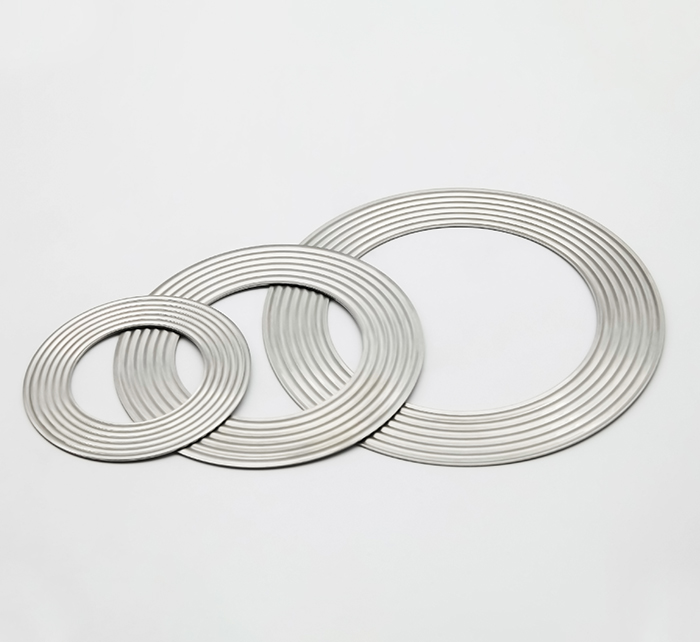
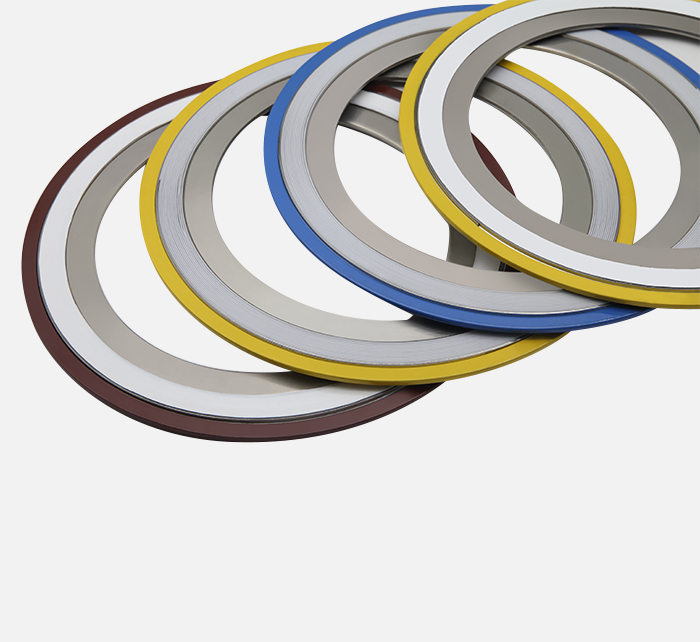
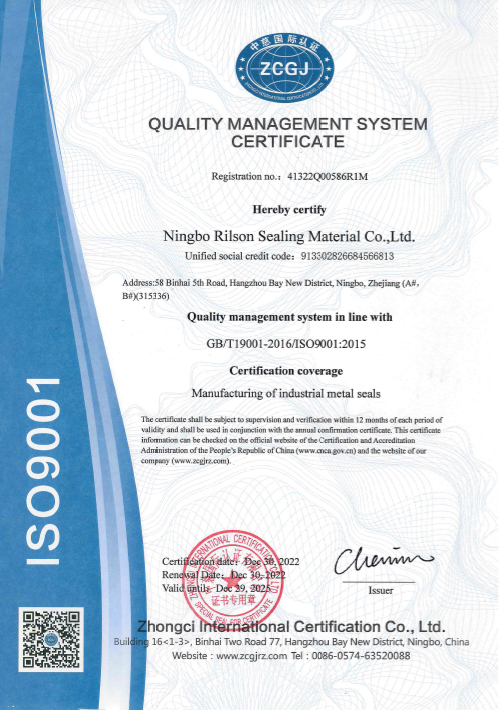
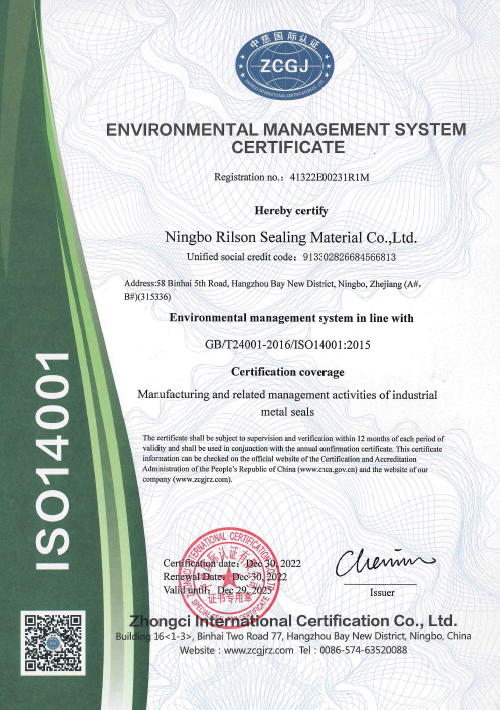
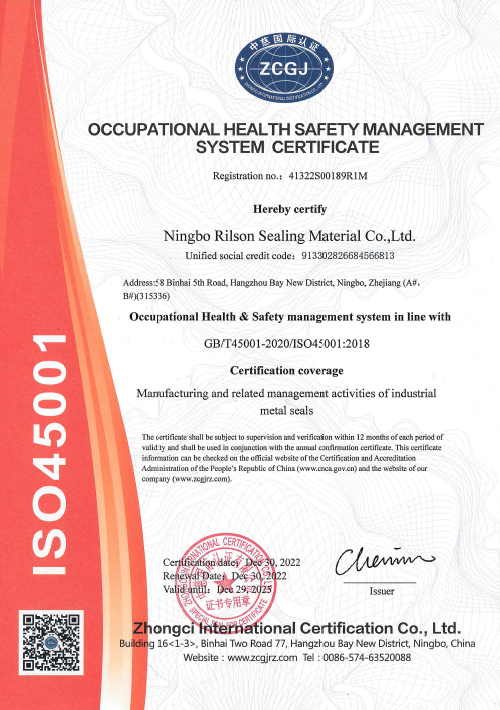
Ningbo Rilson Sealing Material Co., Ltd. was founded in 2007, is a professional Spiral Wound Gaskets manufacturer and Spiral Wound Gaskets supplier and located in Ningbo, Zhejiang Province. The manufacturing facility spans across 20,000 square meters and is dedicated to ensuring the secure and dependable operation of fluid sealing systems, offering clients the appropriate sealing technology solutions. We operate numerous production lines for sealing products, specializing in the design and manufacture of sealing gaskets and other sealing materials for the petroleum, chemical, power, shipbuilding, and machinery manufacturing sectors. Our primary products consist of spiral wound gaskets, ring joint gaskets, kammprofile gaskets, corrugated metal gaskets, insulation kit gaskets, and Non-asbestos gaskets, among others.
Ring Type Joint Gaskets are developed for use in the petroleum industry as well as drilling and oil & gas production equipment. These gaskets are suitable for the high possible pressure and temperature duties. By applying pressure on the seal interface through bolt force, the softer metal of the gasket flows into the imperfections of the harder flange material, creating a very tight and efficient seal. Wilson manufactures and supplies a large variety of ring-type joint gaskets. Rilson Ring Type Joint (RTJ) standard-size gaskets are manufactured following API 6A, API 17D, and ASME B16.20 specifications.
(1)Important Manufacturing Features
- Precision CNC machining technology
- Strict hardness testing procedures
- Material traceability and inspection reports
- Compliance with API and ASME standards
4. Market Trends and Selection Recommendations for RTJ Gaskets
Global demand for Ring Joint Gaskets continues to increase due to expanding energy infrastructure and offshore exploration projects. Market analysts estimate annual growth rates of approximately 6% in the industrial sealing sector.
(1)Selection Recommendations
- Choose gasket material based on media compatibility
- Verify pressure and temperature ratings before installation
- Select experienced custom RTJ gasket manufacturers
- Ensure flange groove dimensions meet API specifications
Correct gasket selection can significantly reduce operational risks while improving sealing efficiency and equipment lifespan.
5. Frequently Asked Questions (FAQ)
Q1: What is the difference between R, RX, and BX RTJ gaskets?
R type is used for standard pressure applications, RX is designed for higher pressure sealing efficiency, and BX is suitable for extremely high-pressure systems.
Q2: Which industries commonly use Ring Joint Gaskets?
Oil and gas, petrochemical, offshore drilling, power generation, and refinery industries widely use RTJ gaskets.
Q3: Why is custom RTJ gasket manufacturing important?
Custom manufacturing ensures precise dimensional fit, better sealing performance, and improved durability under extreme operating conditions.
Q4: Which standards are commonly followed for RTJ gaskets?
The most common standards include API 6A, API 17D, and ASME B16.20.

 English
 русский
 中文简体
中文简体