
 English
 русский
 中文简体
中文简体
RILSON GASKET
Ningbo Rilson Sealing Material Co., Ltd is dedicated to ensuring the secure and dependable operation of fluid sealing systems, offering clients the appropriate sealing technology solutions.
A non metallic gasket is a sealing component made entirely from non-metal materials — such as PTFE, rubber, graphite, compressed fiber, cork, or mica — designed to create a pressure-tight, fluid-resistant joint between two mating surfaces. Unlike metal gaskets, non metallic variants rely on compressibility and chemical resistance rather than structural rigidity to achieve an effective seal. They are widely used across the petroleum, chemical processing, power generation, shipbuilding, and machinery manufacturing industries because of their versatility, ease of installation, and resistance to a broad range of chemicals and temperatures.
The global industrial gasket market was valued at approximately USD 12.4 billion in 2023 and is projected to grow steadily through 2030, driven by expanding chemical plant infrastructure and tightening environmental sealing regulations. Non metallic gaskets account for a significant share of this market, particularly in applications where corrosion resistance, electrical insulation, or thermal stability is a priority. Understanding the material options and their respective performance envelopes is essential for engineers, procurement teams, and maintenance professionals making sealing decisions.
Content
A sealing gasket works by filling the microscopic surface imperfections between two flanges, pipe joints, or mechanical faces. When bolts are tightened, the gasket deforms under compressive load, conforming to the surface topography of both mating faces. This conformability is the defining advantage of non metallic materials — they yield at lower bolt loads than metals, making them suitable for low-pressure flanges, plastic piping systems, and sensitive equipment housings.
The effectiveness of a sealing gasket depends on three interrelated factors: gasket stress (the compressive load per unit area), seating stress (the minimum stress required to achieve an initial seal), and operating stress (the stress maintained under pressure and temperature during service). Non metallic materials typically require lower seating stress values — often in the range of 1,500 to 5,000 psi — compared to metal jacketed or solid metal gaskets that may require 10,000 psi or more.
This lower bolt load requirement makes non metallic gaskets particularly well suited for glass-lined reactors, ductile iron flanges, and fiberglass piping where excessive bolt torque would damage the flange face. Their compressible nature also accommodates flange surface finish variations, reducing the precision machining requirements compared to ring joint or lens ring metallic seals.
Figure 1: Non metallic gaskets require significantly lower seating stress than metallic alternatives, making them suitable for lower-bolt-load applications and sensitive flange materials. Semi-metallic gaskets bridge the gap, while solid metal gaskets demand the highest compressive force to achieve a seal. This difference in seating stress directly influences flange design, bolt specification, and the risk of flange deformation under torque. For engineers working with ASME Class 150 or Class 300 flanges, non metallic gaskets are often the most practical and cost-effective choice.
Non metallic gaskets are not a single product — they encompass a diverse family of materials, each engineered for specific environmental conditions. Selecting the correct gasket material is the most critical decision in any sealing application. The six primary types used in industrial settings are described below.
The non asbestos gasket replaced asbestos-based sheet seals following the global ban on asbestos use in industrial products during the 1980s–1990s. Modern compressed non-asbestos gaskets are manufactured from a blend of synthetic fibers (aramid, glass, carbon), rubber binders, and mineral fillers, pressed into a uniform sheet form. They offer operating temperature resistance up to 400°C and are suitable for steam, water, oil, and mild chemical services. A typical gasket sheet can be die-cut into any flange geometry, making it highly flexible for custom applications.
Polytetrafluoroethylene (PTFE) is one of the most chemically inert materials available to industry. A PTFE gasket resists virtually all acids, alkalis, solvents, and oxidizing agents across a pH range of 0 to 14. Operating temperatures typically span -200°C to +260°C, and expanded PTFE formulations provide additional compressibility for irregular flange surfaces. PTFE is the preferred chemical resistant gasket material in pharmaceutical, food processing, and aggressive chemical environments where contamination risk or material degradation would be unacceptable.
Flexible graphite — also called expanded graphite — is a high temperature gasket material capable of continuous service up to 450°C in oxidizing atmospheres and up to 3,000°C in inert or reducing environments. Graphite gaskets are self-lubricating, offer excellent recovery characteristics under thermal cycling, and maintain sealing integrity across wide temperature swings. They are standard in steam turbines, heat exchangers, boilers, and high-temperature chemical reactors. Their main limitation is susceptibility to strong oxidizing acids.
The rubber gasket is among the most widely used sealing components globally, offering excellent compressibility, elasticity, and cost-effectiveness. Common elastomers include NBR (nitrile, for oil resistance), EPDM (for water, steam, and outdoor exposure), neoprene (for moderate chemical and weather resistance), and FKM/Viton (for aggressive chemicals and elevated temperatures up to 200°C). Rubber gaskets are typically used in water treatment, HVAC, food and beverage pipework, and general industrial plumbing systems.
Cork gaskets — typically manufactured as cork-rubber composites — offer a unique combination of compressibility, resilience, and oil resistance. They are particularly effective in gearbox cover seals, oil pan gaskets, and low-pressure pneumatic fittings. Cork's natural cellular structure provides inherent vibration damping, making it a practical choice where mechanical noise reduction is also desired. Temperature tolerance generally ranges from -40°C to +120°C.
Mica-based gaskets are specialized high temperature gasket products engineered for extreme thermal applications. Mica offers excellent electrical insulation alongside thermal resistance to 800°C and above. They are used in exhaust manifold joints, furnace doors, kiln seals, and electrical insulation flanges where both thermal and electrical barrier properties are simultaneously required. Mica gaskets are significantly more specialized and are specified when standard fiber or graphite materials have reached their performance limits.
| Material | Max Temp (Continuous) | Chemical Resistance | Key Application |
|---|---|---|---|
| Compressed Non-Asbestos | 400°C | Moderate | Steam, water, oil pipelines |
| PTFE | 260°C | Excellent (pH 0–14) | Chemical plants, pharma, food |
| Graphite | 450°C (oxidizing) / 3,000°C (inert) | Good (except strong oxidizers) | Boilers, turbines, heat exchangers |
| Rubber (EPDM/NBR/FKM) | 200°C (FKM) | Moderate–Good | Water treatment, HVAC, plumbing |
| Cork | 120°C | Low–Moderate | Gearboxes, oil pans, pneumatics |
| Mica | 800°C+ | Good (non-reactive) | Furnaces, exhaust, electrical insulation |
Figure 2: Maximum continuous operating temperature varies dramatically across non metallic gasket materials. Mica leads with 800°C or above, making it indispensable in extreme thermal applications such as industrial furnaces and exhaust systems. Graphite and compressed non-asbestos materials cover the mid-high range (400–450°C) that encompasses the majority of petrochemical and steam applications. PTFE and rubber compounds serve the lower temperature range but compensate with superior chemical and elastic properties. Selecting by temperature envelope is the first and most critical step in gasket material specification.
A flange gasket must conform precisely to the bolt circle, inner bore, and outer diameter of the mating flange faces. International standards govern these dimensions to ensure interchangeability and sealing reliability. The most widely referenced standards for non metallic flange gaskets include ASME B16.21 (North America), EN 1514-1 (Europe), and JIS B2403 (Japan). Understanding which standard applies to a given piping system is essential before sourcing or manufacturing.
Flange gaskets for raised face (RF) flanges are typically cut slightly smaller than the flange outer diameter to avoid overhang, while full-face (FF) gaskets extend to the outer bolt holes to distribute bolt load across the entire face. For tongue-and-groove (T&G) or ring-type joint (RTJ) flanges, the gasket geometry changes significantly, and non metallic materials — particularly PTFE and graphite sheet — are machined or die-cut to precisely fit the groove profile.
Gasket thickness is another critical variable. Standard compressed sheet gaskets range from 0.5mm to 6mm thickness, with thinner sheets providing lower creep relaxation and better high-pressure performance, while thicker sheets compensate for flange face irregularities. For most raised face ASME flanges, 1.5mm or 3mm thickness is the practical standard.
Figure 3: The radar chart compares graphite, PTFE, and rubber gaskets across five critical performance dimensions. Graphite excels in heat resistance and longevity under thermal cycling, making it the dominant choice in high-temperature process industries. PTFE leads in chemical resistance — its coverage of the full pH spectrum is unmatched among solid non metallic materials. Rubber compounds score highest on compressibility and cost efficiency, reflecting their elastomeric nature and widespread commodity availability. No single material leads across all dimensions, which is why matching material to application requirements is more important than ranking materials in absolute terms.
For decades, asbestos was the dominant material in industrial gasket sheets due to its exceptional heat resistance and fiber strength. However, following the scientific establishment of its carcinogenic properties, most countries implemented bans on asbestos use in manufactured products between the 1980s and 2000s. Today, the non asbestos gasket is the regulatory standard across all major economies, including the European Union (EU Regulation 1907/2006), the United States, Japan, Australia, and South Korea.
Modern compressed non asbestos gasket sheets are engineered to match or exceed the performance of legacy asbestos materials. The key is the combination of high-performance synthetic fibers — most commonly aramid (Kevlar-type), glass fiber, or carbon fiber — with an elastomeric binder (typically NBR or SBR rubber) and mineral fillers that improve thermal stability. The resulting sheet material is pressed under high pressure to create a homogeneous, consistent structure.
Compared to asbestos-based predecessors, modern non-asbestos sheets demonstrate comparable sealing performance at steam temperatures up to 380°C and pressures up to 100 bar, with superior dimensional stability and no health or environmental risk during handling, installation, or disposal. For applications previously relying on asbestos blue or white sheet, aramid-based non-asbestos gaskets are the direct replacement with no engineering modification required.
Figure 4: The global shift from asbestos to non-asbestos gasket materials was driven by a series of national and supranational regulatory actions spanning roughly 30 years. Germany led with an early national prohibition in 1991, followed by the EU-wide ban in 1999. Asian markets including Japan and South Korea followed in the early 2000s. By the 2010s, non-asbestos gasket sheet had become the universal industrial default, supported by advances in aramid fiber and synthetic binder technology that matched or exceeded the sealing performance of legacy asbestos materials. For procurement teams today, specifying non-asbestos compliance is a baseline regulatory requirement in virtually every major market.
Among all chemical resistant gasket materials, PTFE (polytetrafluoroethylene) stands apart. Its carbon-fluorine bond is one of the strongest in organic chemistry, conferring resistance to almost every known industrial chemical. The exceptions are limited to molten alkali metals (sodium, potassium), elemental fluorine at elevated temperatures, and specific chlorinated compounds under extreme conditions.
In practice, a PTFE gasket is specified for: concentrated sulfuric acid, hydrofluoric acid, nitric acid, phosphoric acid, caustic soda solutions, chlorinated solvents, and a wide range of pharmaceutical intermediates and food-contact chemicals. It is the default sealing gasket material in pharmaceutical GMP environments because it is physiologically inert, non-contaminating, and easy to clean.
PTFE's main limitation in sealing applications is cold flow — under sustained compressive load, virgin PTFE can slowly creep and relax, reducing gasket stress over time. This is addressed through two engineering approaches: using modified or expanded PTFE formulations that incorporate biaxial expansion to improve creep resistance, or specifying PTFE-envelope gaskets where a thin PTFE sheet encases a more structurally rigid core material. Both approaches are widely available from industrial gasket manufacturers.
Figure 5: PTFE gaskets achieve near-perfect resistance ratings across the majority of industrial chemical groups, including strong acids, strong alkalis, and organic solvents. This broad compatibility makes PTFE the default choice in chemical processing, pharmaceutical manufacturing, and food-grade piping where resistance to multiple chemical types is simultaneously required. The only notable exception is molten alkali metals, which represent a niche high-energy application well outside the scope of standard fluid sealing. For procurement engineers managing multi-chemical process lines, PTFE's broad compatibility also reduces the need for multiple gasket SKUs, simplifying inventory management.
Standard catalog gaskets cover the most common flange sizes and ratings. However, many industrial applications require custom gasket solutions — non-standard sizes, unusual geometries, multi-layer constructions, or specialized compound formulations. A capable gasket manufacturer provides design engineering support alongside production capability to bridge the gap between standard products and application-specific requirements.
The typical custom gasket production workflow begins with a dimensional specification — either a technical drawing, a physical sample for reverse engineering, or a flange face mold. From a gasket sheet of the appropriate material, the gasket is produced by one of three cutting methods: water jet cutting (for complex profiles and thick sections), die punching (for high-volume standard shapes), or CNC milling (for prototype and low-volume precision parts). Tolerances of ±0.1mm on inner and outer diameters are achievable with modern cutting equipment.
For companies requiring proprietary sealing solutions, private-label custom gaskets are produced to customer-specified formulations with full material traceability and quality certification packages. This service is particularly valued in the oil and gas, power, and shipbuilding sectors where third-party material certification (PED, ASME, API) is required for project acceptance.
Figure 6: The custom gasket manufacturing workflow moves from dimensional specification through material selection, precision cutting, quality control inspection, and final delivery with certification documentation. Each step is critical — errors in dimension specification or material selection at the front end translate directly into leakage failures in the field. For high-stakes applications (API 6A, ASME pressure vessels), the QC and certification step typically involves third-party verification of material composition and dimensional conformance. A manufacturer with ISO9001:2015 and API 6A certification can provide the documentation trail required for project acceptance in regulated industries.
Non metallic gaskets are consumed across virtually every process industry, but demand is concentrated in sectors with high fluid-handling infrastructure. Understanding which industries drive the largest demand volumes helps distributors, EPC contractors, and maintenance planners prioritize product range and supplier relationships.
Figure 7: Petrochemical plants and refineries are the dominant consumers of industrial non metallic gaskets, accounting for an estimated 45% of total sector demand due to the sheer density of flanged piping and heat exchanger systems in refining operations. Chemical processing accounts for approximately 22%, driven by aggressive service media requiring PTFE and non-asbestos materials. Power generation (14%) uses graphite and high-temperature sheet extensively in boiler and turbine flange connections. Shipbuilding and machinery manufacturing represent the balance of demand, with rubber and cork-based gaskets serving the lower-pressure and lower-temperature applications characteristic of those sectors. This distribution informs product range priorities for suppliers and distributors serving these markets.
Specifying the right industrial gasket requires a systematic approach. The following framework covers the key parameters that should be defined before selecting a material or sourcing from a gasket manufacturer:
Established in 2007 and headquartered in Ningbo, Zhejiang Province, Ningbo Rilson Sealing Material Co., Ltd. is a professional non metallic gasket manufacturer and supplier with a 20,000 square meter production facility dedicated to fluid sealing system solutions. With over 15 years of industry experience, Rilson has developed deep expertise in the design and manufacture of sealing gaskets and materials for petroleum, chemical, power generation, shipbuilding, and machinery manufacturing sectors.
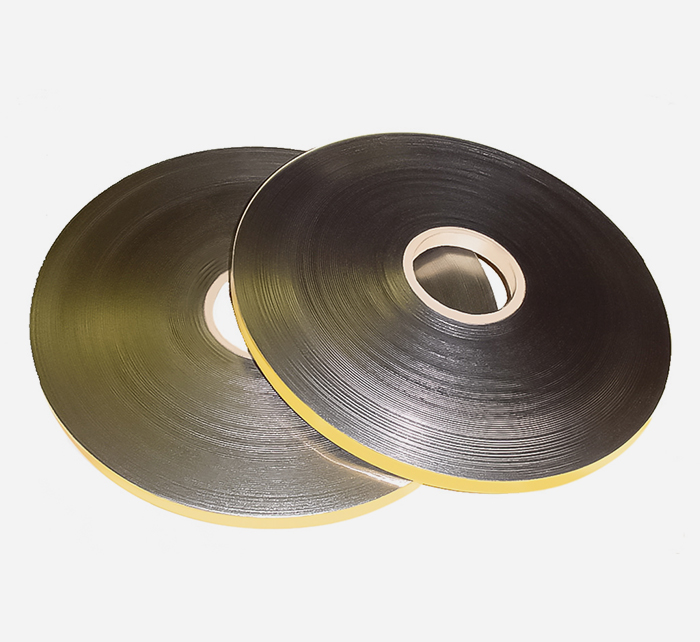
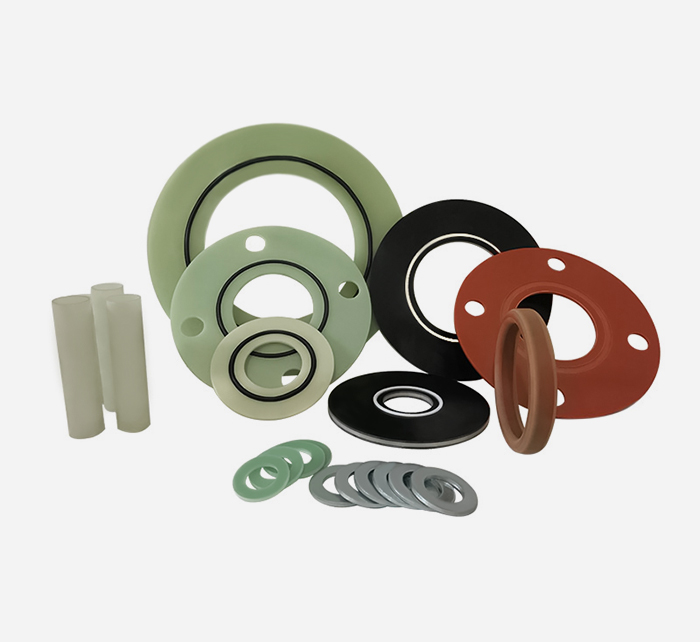
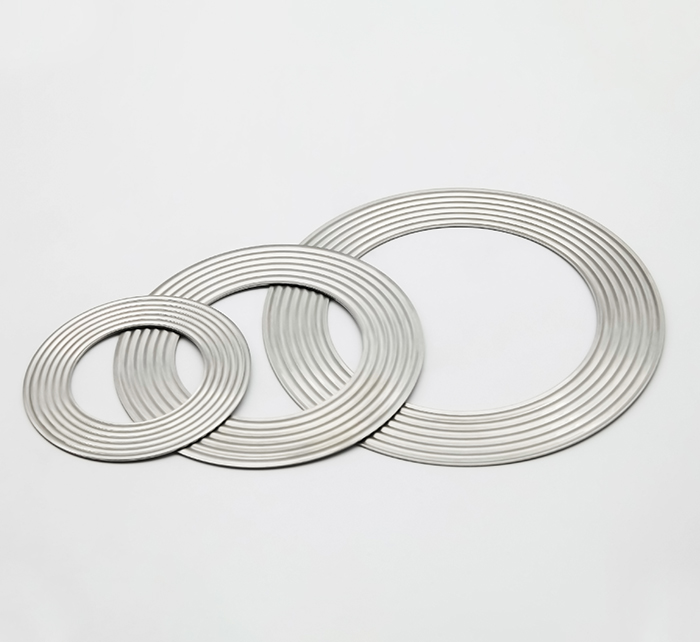
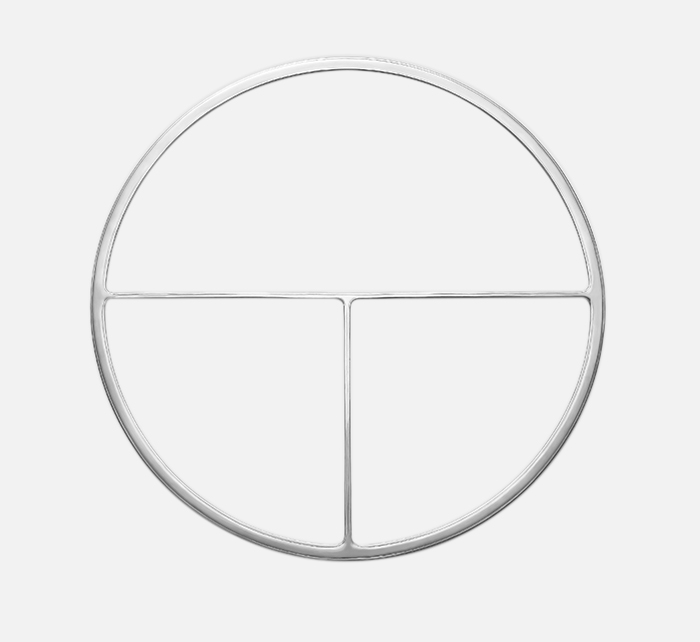
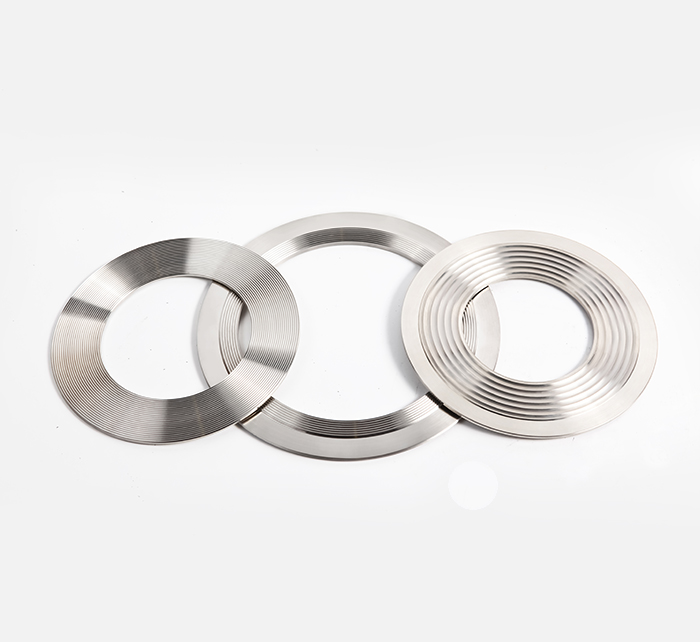
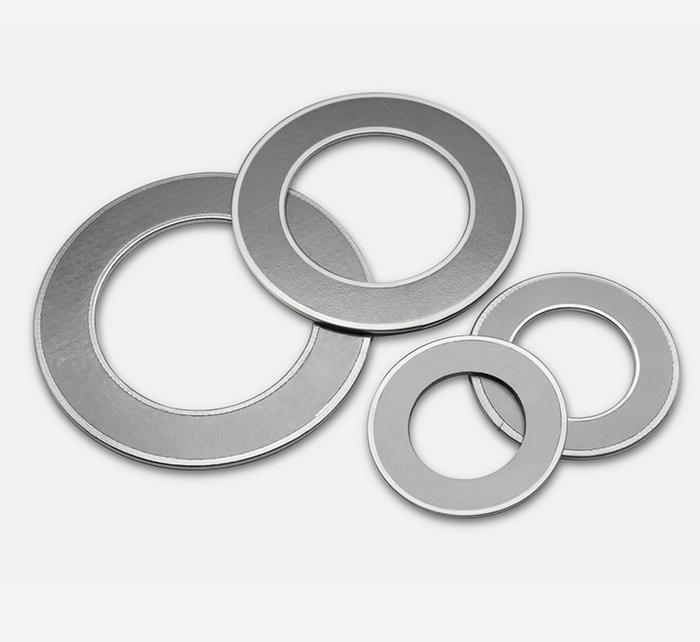
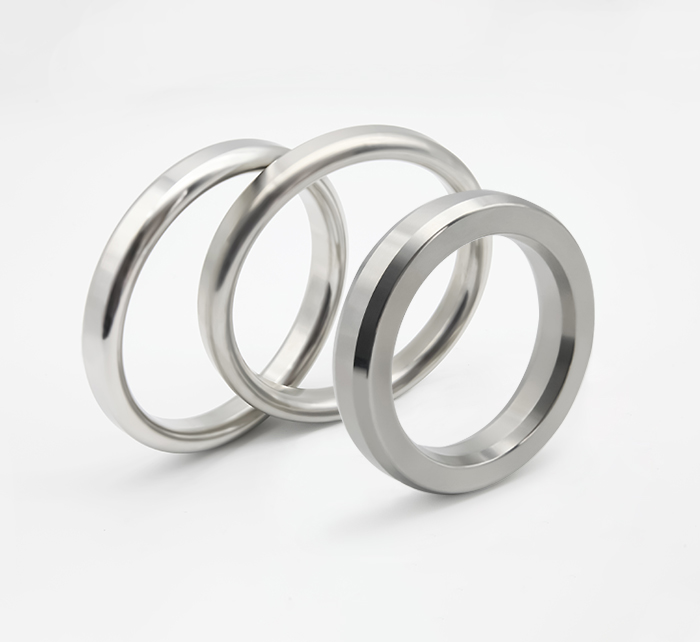
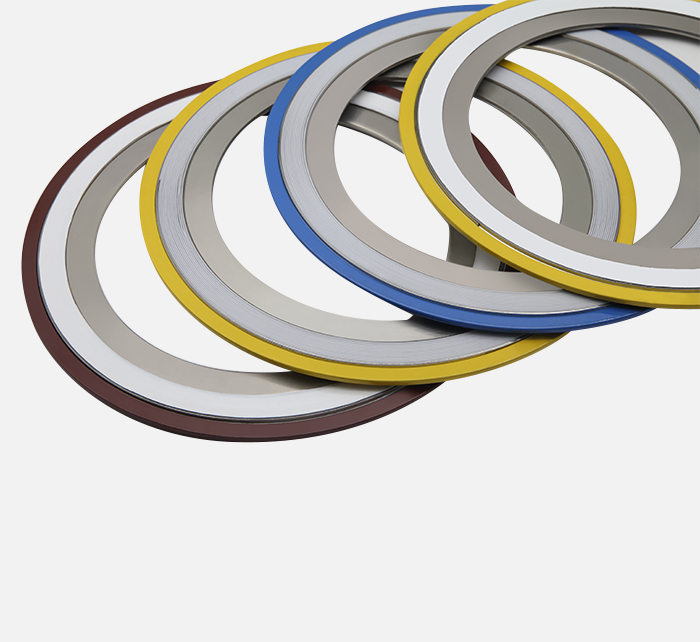
Our primary product range includes spiral wound gaskets, ring joint gaskets, kammprofile gaskets, corrugated metal gaskets, insulation kit gaskets, and non-asbestos gaskets. As a full-range industrial sealing specialist, we operate multiple production lines supporting both standard catalog products and custom gasket engineering for project-specific requirements.
Rilson holds ISO9001:2015 quality management system certification and the API 6A certificate, reflecting our commitment to production process consistency and compliance with international oil and gas industry standards. Our products are trusted by clients across multiple continents, with a customer base built through consistent quality, accurate delivery, and responsive technical support.
Guided by the principles of integrity, precision, innovation, and mutual success, we aim to be the preferred brand in the industrial gasket market. We welcome inquiries for standard products, custom engineering projects, and long-term supply partnerships from distributors, EPC contractors, and end users worldwide.

RILSON GASKET
Ningbo Rilson Sealing Material Co., Ltd is dedicated to ensuring the secure and dependable operation of fluid sealing systems, offering clients the appropriate sealing technology solutions.
Copyright © Ningbo Rilson Sealing Material Co., Ltd. All Rights Reserved.
