
 English
 русский
 中文简体
中文简体
RILSON GASKET
Ningbo Rilson Sealing Material Co., Ltd is dedicated to ensuring the secure and dependable operation of fluid sealing systems, offering clients the appropriate sealing technology solutions.
A heat exchanger gasket is a precision sealing component installed between the plates or flanges of a heat exchanger to prevent fluid leakage, maintain system pressure, and ensure thermal efficiency. In industrial environments — from oil refineries to pharmaceutical plants — the integrity of a plate heat exchanger gasket directly determines whether a system operates safely and efficiently. Without a properly selected and maintained gasket, even a minor seal failure can result in costly downtime, hazardous leaks, or irreversible equipment damage.
Ningbo Rilson Sealing Material Co., Ltd., founded in 2007 and headquartered in Ningbo, Zhejiang Province, is a professional heat exchanger gaskets manufacturer with over 15 years of experience. With a manufacturing facility spanning 20,000 square meters, Rilson specializes in custom sealing solutions for the petroleum, chemical, power, shipbuilding, and machinery manufacturing industries.
This guide covers everything you need to know about heat exchanger gaskets — from material types and selection criteria to installation best practices and industry-specific applications — to help you make informed decisions for your sealing needs.
Content
A heat exchanger gasket is a mechanical seal placed between the mating surfaces of a heat exchanger — particularly plate-and-frame or shell-and-tube models — to create a leak-proof barrier between two fluid circuits. These gaskets must simultaneously resist pressure differentials, thermal cycling, and chemical exposure while maintaining consistent compression over thousands of operational hours.
In plate heat exchangers, gaskets are positioned in grooves around the periphery of each plate, channeling fluids through alternating passages and preventing cross-contamination. The gasket material must be compatible with both fluids — primary and secondary — and capable of withstanding operating temperatures that can range from -40°C to over 200°C depending on the application.
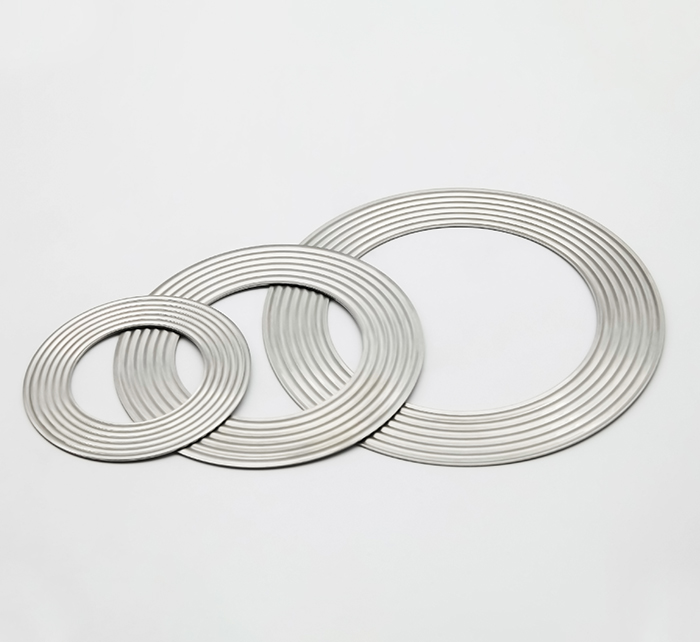
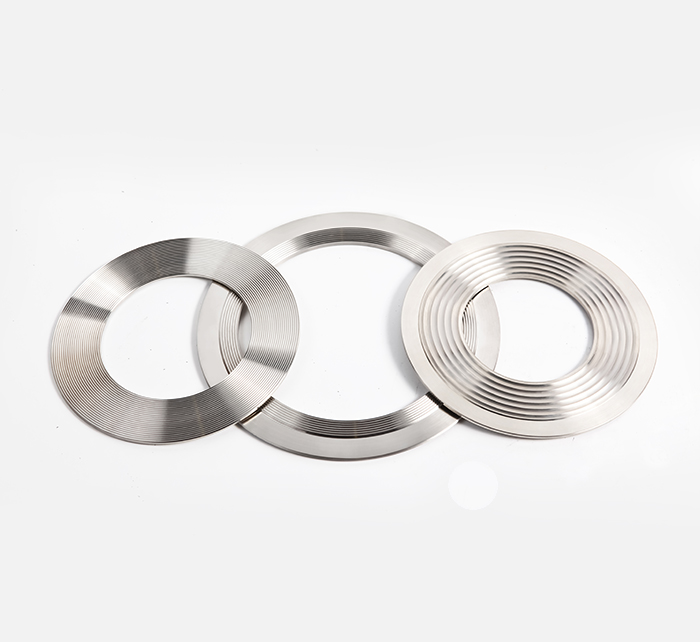
Kammprofile gaskets — solid metal gaskets that may include a soft outer sealing layer — are particularly suited for environments where extreme temperatures and thermal expansion present significant mechanical challenges. The corrugated metal core provides excellent recovery under fluctuating pressures, while the soft facing layer conforms to minor flange surface irregularities.
Figure 1: Approximate global market usage share of plate heat exchanger gasket materials. EPDM dominates due to its versatility in water and steam systems.
The chart above highlights that EPDM gaskets account for approximately 45% of total plate heat exchanger gasket usage globally. This dominance stems from EPDM's outstanding resistance to hot water, steam, and many water-based chemical solutions — making it a natural fit for HVAC, district heating, and food processing industries. NBR follows at 28%, primarily driven by its widespread adoption in oil-and-gas and hydraulic applications.
Selecting the correct gasket material is the single most critical decision when specifying a heat exchanger seal. Each elastomer family offers a distinct combination of temperature tolerance, chemical compatibility, and mechanical durability. Below is a detailed breakdown of the four primary material types used in plate heat exchanger gaskets.
EPDM heat exchanger gaskets are the industry standard for water-based and steam applications. With an operating temperature range of -40°C to +150°C (short-term up to 170°C), EPDM provides outstanding resistance to hot water, ozone, UV radiation, and many polar solvents. It is widely used in HVAC systems, district heating networks, pharmaceutical processing, and food-grade applications where hot water or mild acids are the primary media. One important limitation: EPDM is not compatible with petroleum-based oils or fuels.
NBR heat exchanger gaskets are the go-to choice wherever petroleum products, lubricating oils, hydraulic fluids, or diesel are present. NBR offers excellent resistance to aliphatic hydrocarbons and maintains sealing integrity across a temperature range of -30°C to +120°C. It is widely deployed in refineries, marine engines, compressors, and industrial cooling circuits. NBR's cost-effectiveness makes it a popular choice for high-volume replacement programs.
Viton gaskets represent the premium tier of industrial heat exchanger gaskets, engineered for chemically aggressive environments. With a temperature range of -20°C to +200°C and exceptional resistance to concentrated acids, chlorinated solvents, aromatic hydrocarbons, and aggressive chemicals, Viton is the preferred material for chemical processing plants, offshore platforms, and high-temperature industrial loops. The trade-off is a higher material cost compared to EPDM or NBR.
Silicone gaskets occupy a specialized niche, valued for their exceptional flexibility at low temperatures and their compliance with food-contact and pharmaceutical regulations. Operating from -60°C to +180°C, silicone gaskets excel in cryogenic processes, food and beverage processing, and medical equipment. However, silicone has relatively low tensile strength and poor resistance to oils and fuels, limiting its use to clean process environments.
Figure 2: Operating temperature range comparison across four primary heat exchanger gasket materials. Viton offers the widest high-temperature range while Silicone leads in low-temperature performance.
The horizontal bar chart above clearly illustrates the thermal envelope of each material. Viton stands out for high-temperature applications up to 200°C, while silicone's exceptional low-temperature performance down to -60°C makes it uniquely suited for cryogenic processes. When selecting a gasket material, it is critical to consider not just the average operating temperature but also peak transient temperatures and thermal cycling frequency, as repeated thermal stress can accelerate gasket fatigue and reduce service life.
| Material | Temp Range | Oil/Fuel Resistance | Water/Steam | Chemical Resistance | Typical Application |
|---|---|---|---|---|---|
| EPDM | -40°C ~ +150°C | Poor | Excellent | Good (polar) | HVAC, Food, Steam |
| NBR | -30°C ~ +120°C | Excellent | Moderate | Good (aliphatic) | Oil & Gas, Marine |
| Viton | -20°C ~ +200°C | Excellent | Good | Excellent | Chemical, Offshore |
| Silicone | -60°C ~ +180°C | Poor | Good | Moderate | Food, Pharma, Cryo |
The fundamental function of an industrial heat exchanger gasket is to maintain a hermetic seal under dynamic operating conditions — fluctuating pressures, thermal expansion, vibration, and chemical exposure. But beyond this basic function, a well-specified gasket delivers measurable operational and economic benefits.
Figure 3: Relative sealing performance degradation curves over a 5-year service period for EPDM, NBR, and Viton gaskets under standard operating conditions. Viton demonstrates superior long-term stability.
The performance curves above illustrate a key insight: Viton gaskets retain approximately 70% of their initial sealing capacity after 5 years, compared to roughly 50% for EPDM and 45% for NBR under identical conditions. This longer service life translates directly into reduced heat exchanger gasket replacement frequency and lower total cost of ownership, even accounting for Viton's higher initial cost. Maintenance teams should use these degradation profiles to establish proactive replacement schedules rather than waiting for visible leakage.
Incorrect material selection is the leading cause of premature gasket failure. A systematic selection process should evaluate four key parameters: media compatibility, operating temperature, working pressure, and installation method. The following decision framework helps engineers identify the optimal gasket material for any given application.
Figure 4: Multi-dimensional performance radar comparing EPDM, NBR, and Viton heat exchanger gaskets across six key parameters. Each axis represents a normalized score from 0–100%. Viton leads in overall chemical and thermal performance, while EPDM excels in water/steam environments.
The radar chart reinforces the principle that no single gasket material excels across all dimensions. EPDM is the undisputed leader for water and steam resistance, scoring approximately 95% on that axis, but falls short in oil resistance. Viton offers the most balanced high-performance profile, maintaining strong scores across temperature resistance, chemical resistance, and durability. NBR's oil resistance score of approximately 90% makes it indispensable in hydrocarbon-heavy environments. Understanding these trade-offs allows engineers to make targeted material selections rather than defaulting to generic choices.
Ningbo Rilson Sealing Material Co., Ltd. was established in 2007 and is headquartered in Ningbo, Zhejiang Province, China — a global hub for industrial manufacturing and sealing technology. As a dedicated heat exchanger gaskets manufacturer and supplier, Rilson operates from a facility spanning 20,000 square meters, equipped with multiple production lines for precision sealing products.
Rilson's core mission is to ensure the secure and dependable operation of fluid sealing systems by delivering technically appropriate and application-specific sealing solutions. The company serves clients across the petroleum, chemical processing, power generation, shipbuilding, and machinery manufacturing sectors.
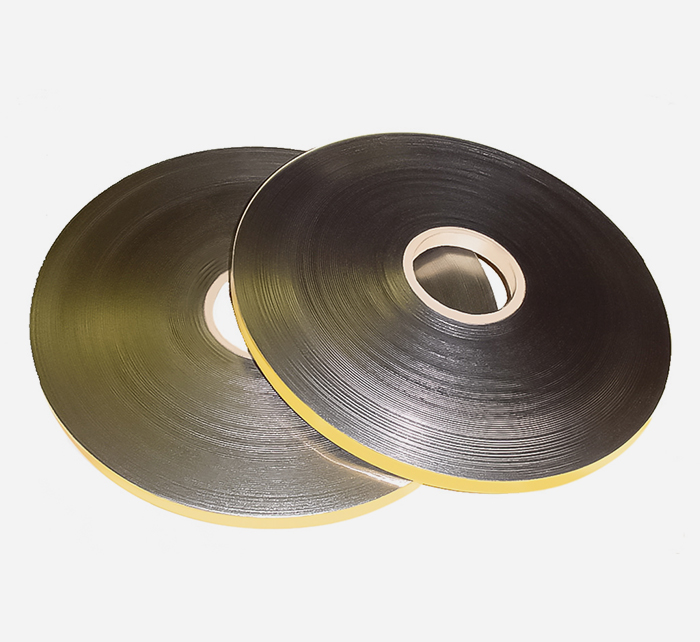
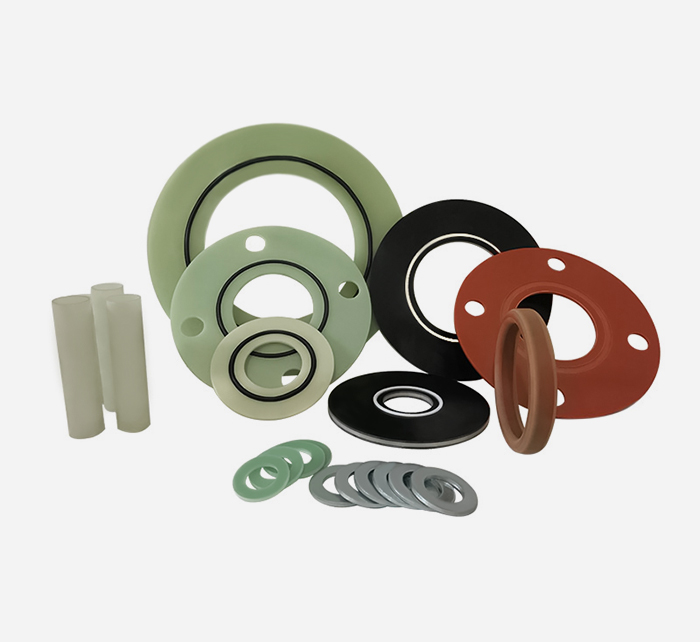
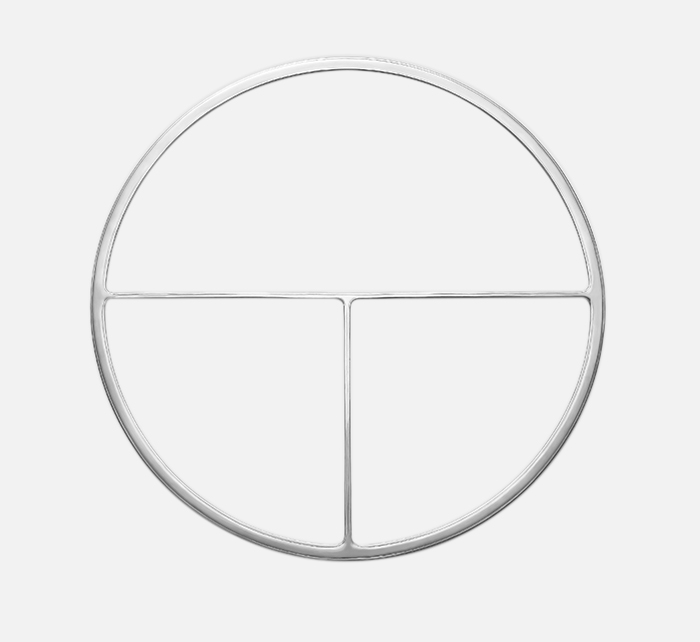
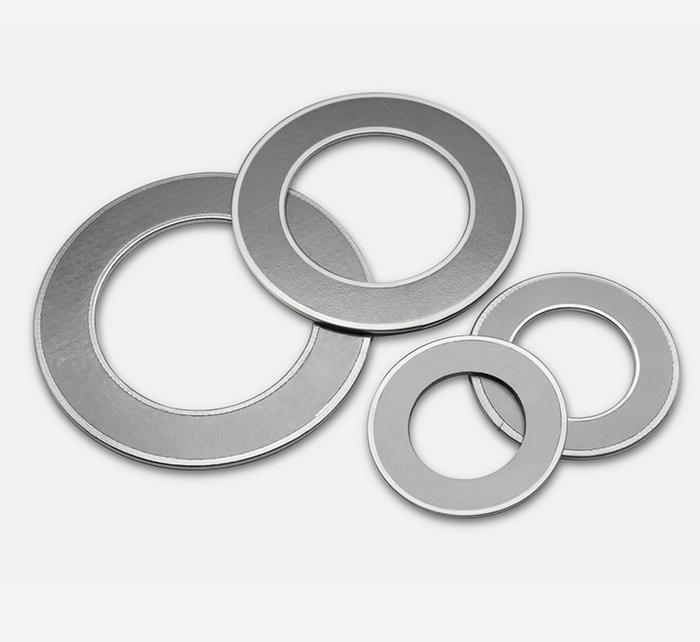
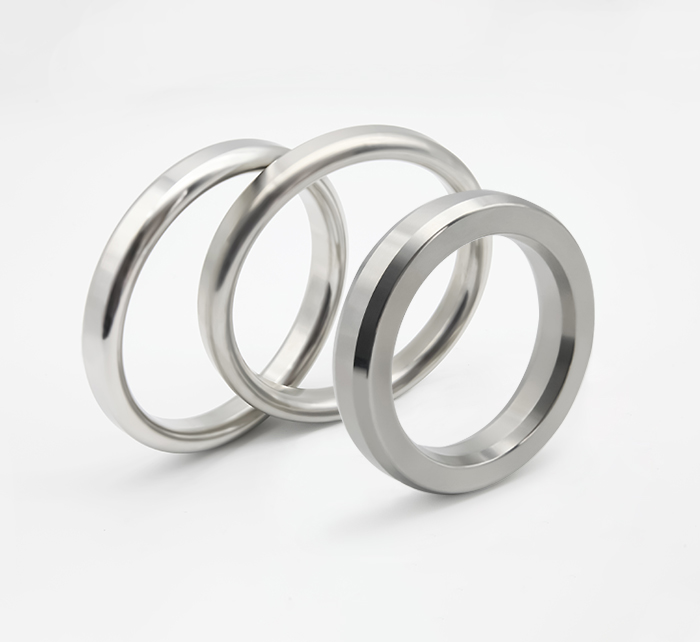
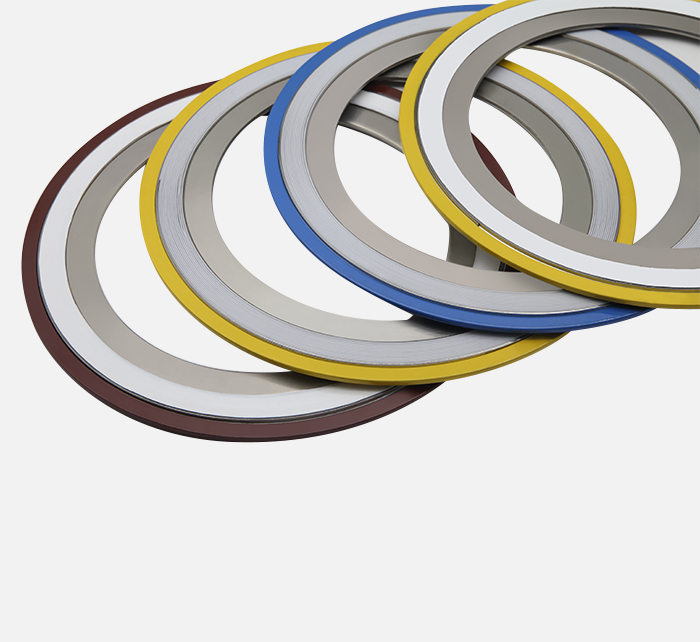
The primary product portfolio includes: spiral wound gaskets, ring joint gaskets, kammprofile gaskets, corrugated metal gaskets, insulation kit gaskets, and non-asbestos gaskets. Kammprofile gaskets — solid metal gaskets with a soft outer sealing material — are particularly suited for high-temperature flanged connections where thermal expansion and flange movement present significant sealing challenges.
Figure 5: Key operational metrics for Ningbo Rilson Sealing Material Co., Ltd. The company's long establishment history and large-scale production capability reflect its position as a seasoned industrial gasket manufacturer.
Rilson's custom heat exchanger gaskets program allows customers to specify non-standard dimensions, material grades, groove profiles, and surface finishes to match their specific plate heat exchanger models. This capability is particularly valuable for operators of legacy equipment whose original gasket suppliers may no longer support those plate types.
Proper installation is as critical as material selection when it comes to achieving reliable heat exchanger leak solution outcomes. Even a premium Viton gasket can fail prematurely if installed incorrectly. The following procedure outlines industry-recommended best practices for heat exchanger gasket replacement.
Figure 6: Five-step heat exchanger gasket replacement workflow. Following a structured process reduces the risk of improper installation and post-maintenance leaks.
Proactive plate heat exchanger maintenance significantly extends gasket service life and prevents unplanned shutdowns. Industry data suggests that a well-maintained plate heat exchanger can operate for 3–5 years between major gasket replacement cycles, compared to 12–18 months for poorly maintained systems.
Heat exchanger gaskets are indispensable components across a remarkably diverse range of industries. The specific requirements of each sector drive different material, dimensional, and certification demands.
Figure 7: Relative heat exchanger gasket demand across major industrial sectors. Oil & gas and chemical processing represent the highest demand categories due to the prevalence of large-scale heat exchange systems and frequent replacement cycles driven by harsh operating conditions.
The oil and gas sector demands gaskets capable of handling crude oil, refined petroleum products, hydrogen sulfide (H₂S), and aggressive process chemicals at temperatures up to 200°C and pressures exceeding 20 bar. Viton and NBR gaskets are the predominant choices, with kammprofile and spiral wound gaskets used in high-pressure flanged connections. Offshore platforms in particular face accelerated corrosion due to saline marine environments, requiring frequent heat exchanger seal inspection and replacement.
Plate heat exchangers are at the heart of district energy networks, where they transfer thermal energy between primary distribution loops and building systems. These applications almost exclusively use EPDM heat exchanger gaskets due to the water-based media and steam exposure. A typical district heating network may contain hundreds of plate heat exchangers, each requiring periodic gasket inspection as part of routine plate heat exchanger maintenance programs.
Hygienic process industries require gasket materials that are non-toxic, non-extractable, and compliant with food safety regulations. EPDM and silicone gaskets meeting FDA 21 CFR or EU 1935/2004 standards are standard in these sectors. Gaskets must also withstand frequent CIP cleaning cycles involving caustic soda (NaOH) and nitric acid (HNO₃) solutions at temperatures up to 85°C.
In thermal and nuclear power plants, plate heat exchangers handle cooling water, condensate, and process steam. Industrial heat exchanger gaskets in these applications must maintain long service intervals — often aligned with 12–18 month maintenance outage cycles — and withstand demineralized water, which can be more corrosive to certain elastomers than raw water due to its lack of buffering capacity.
Below are answers to the most common questions about heat exchanger gaskets — drawn from real customer inquiries across maintenance, procurement, and engineering teams.
Q1: How often should plate heat exchanger gaskets be replaced?
Typical replacement intervals range from 2–5 years depending on operating conditions, fluid media, and gasket material. Systems handling aggressive chemicals or high-temperature steam may require annual inspection and replacement every 1–2 years. Proactive replacement during scheduled maintenance outages is more economical than reactive replacement after a leak event.
Q2: What causes heat exchanger gasket leaks?
The most common causes of heat exchanger seal failure include: thermal aging and hardening of the elastomer, chemical incompatibility leading to swelling or degradation, improper installation (incorrect torque or uneven bolt tightening), over-compression from excessive bolt load, and mechanical fatigue from repeated thermal cycling. Identifying the root cause before replacement is essential to prevent recurrence.
Q3: Can I use a different gasket material than the original on my heat exchanger?
Yes, provided the replacement material is compatible with your process media, temperature, and pressure requirements, and the gasket dimensions precisely match the plate groove geometry. Upgrading from NBR to Viton, for example, is a common improvement for systems handling expanded chemical ranges. Always consult material compatibility data and verify dimensional fit before substituting materials.
Q4: What is the difference between clip-on and glued heat exchanger gaskets?
Clip-on heat exchanger gaskets snap directly into a groove molded into the plate without adhesive, enabling faster installation and removal during maintenance. Glued gaskets are bonded to the plate with adhesive, providing a more secure attachment that is less prone to displacement under high-turbulence flow conditions. Clip-on types are preferred in applications requiring frequent plate removal, while glued types are common in high-flow or high-vibration environments.
Q5: How do I identify the correct gasket for my plate heat exchanger model?
The most reliable method is to reference the plate heat exchanger's nameplate or documentation for the plate model number, then cross-reference with the gasket supplier's compatibility chart. Key dimensions include outer length and width, groove width and depth, port hole diameters, and overall gasket thickness. Rilson's technical team provides custom dimensioning services for non-standard or legacy plate models that may not appear in standard catalogs.
Q6: Are custom heat exchanger gaskets available for non-standard dimensions?
Yes. Custom heat exchanger gaskets can be manufactured to match virtually any plate geometry, groove profile, or material specification. Ningbo Rilson's custom program accommodates non-standard dimensions, special elastomer grades, dual-durometer constructions, and specialty surface textures. Custom orders typically require dimensional drawings or a sample gasket, with lead times that vary based on material and production complexity.

RILSON GASKET
Ningbo Rilson Sealing Material Co., Ltd is dedicated to ensuring the secure and dependable operation of fluid sealing systems, offering clients the appropriate sealing technology solutions.
Copyright © Ningbo Rilson Sealing Material Co., Ltd. All Rights Reserved.
