
 English
 русский
 中文简体
中文简体
RILSON GASKET
Ningbo Rilson Sealing Material Co., Ltd is dedicated to ensuring the secure and dependable operation of fluid sealing systems, offering clients the appropriate sealing technology solutions.
67% of heat exchanger leaks originate from gasket failure — not from plate corrosion, weld cracks, or mechanical fatigue. The reason is straightforward: gaskets are the sole dynamic barrier between pressurized fluid circuits, and they operate under simultaneous mechanical compression, thermal cycling, and chemical attack. When any one of these stressors exceeds the gasket material's tolerance, micro-leakage begins, and the failure path accelerates rapidly from there.
Understanding why Heat Exchanger Gaskets fail — and how to select, maintain, and replace them correctly — directly determines the reliability and service life of any Gasketed Plate Heat Exchanger in industrial service. This article examines root causes, material selection science, maintenance schedules, and practical replacement strategies based on documented field data.
Content
Gasket failure in heat exchangers is rarely sudden. It develops through three primary pathways, each measurable and preventable with the right approach. Field investigation data across petroleum, chemical, and power generation industries consistently identifies the following root causes:
Primary Causes of Heat Exchanger Gasket Failure (%)
Source: Aggregated field failure analysis data across industrial heat exchanger installations
The chart reveals that thermal degradation alone accounts for 34% of all gasket failures, making it the single largest contributor. When operating temperatures approach or repeatedly cycle near the upper service limit of the gasket elastomer, the material loses elastic recovery — meaning it cannot re-seal after thermal contraction. This is particularly critical in steam applications and processes with frequent start-stop cycles. Chemical attack is nearly as prevalent at 32%, reflecting cases where the gasket material was not correctly matched to the process fluid — a preventable selection error. Together, these two causes represent two-thirds of all gasket-related leaks, and both are entirely avoidable through informed material specification.
Every elastomeric gasket material has a continuous service temperature ceiling and a transient peak tolerance. Operating even 10–15°C above the continuous rating for extended periods accelerates polymer chain scission — the molecular-level breakdown that causes hardening, cracking, and loss of sealing force. An EPDM Heat Exchanger Gasket, for example, performs reliably up to approximately 150°C in water and steam service, but degrades rapidly in hydrocarbon or oil-based environments even at lower temperatures. Specifying the wrong material for the thermal profile of the process is the most common avoidable failure mode.
Not all leaks are visible failures — many begin as invisible swelling, softening, or surface blistering of the gasket elastomer caused by chemical exposure. Aromatic hydrocarbons, concentrated acids, and certain chlorinated solvents can cause NBR or EPDM gaskets to swell by 15–40% in volume within hours of first exposure, generating internal stresses that rupture the sealing contact. A proper chemical compatibility check against the complete process fluid profile — including cleaning agents and CIP solutions — is non-negotiable before specifying any Industrial Heat Exchanger Seal.
Selecting the right gasket material is the single most impactful decision in heat exchanger reliability engineering. No single elastomer suits all applications. The table below provides a structured comparison of the four most common gasket materials used in plate heat exchanger service:
| Material | Max Temp (°C) | Chemical Resistance | Oil / HC Resistance | Typical Application |
|---|---|---|---|---|
| EPDM | 150 | Excellent (water, steam, acids) | Poor | HVAC, water treatment, food processing |
| NBR | 120 | Moderate | Excellent | Oil refining, lubricant circuits |
| Viton (FKM) | 180 | Excellent (aggressive chemicals) | Good | Chemical plants, high-temp processes |
| HNBR | 150 | Good | Very Good | Geothermal, oilfield, offshore |
Among these materials, the EPDM Heat Exchanger Gasket is the most widely deployed in non-oil industrial applications due to its broad chemical compatibility with water-based media, steam, and dilute acid/alkali solutions. It also performs well across a wide pH range (pH 3–11), making it the default choice for HVAC systems, domestic hot water circuits, and food-grade heat exchangers where rubber contact with product is permissible. However, its near-zero resistance to mineral oils means it should never be specified for any circuit carrying hydrocarbon streams — even trace contamination can cause rapid degradation.
Gasket Material Performance Radar (Score 0–10)
Score scale: 0–10 across five performance dimensions; higher = better in each category
The radar comparison highlights the fundamental trade-off between EPDM and Viton (FKM) gasket materials. EPDM leads significantly in cost-value and chemical resistance for water-based media, making it the practical choice for the vast majority of water treatment, HVAC, and food-grade installations. Viton outperforms across temperature resistance, oil compatibility, and mixed-chemical environments, justifying its specification in demanding petrochemical and high-temperature process applications. Neither material is universally superior — the choice must be governed by the actual process conditions, not by familiarity or availability. Durability scores reflect typical service life under correct operating conditions; both materials degrade rapidly when misapplied.
A Plate Heat Exchanger Gasket performs two simultaneous functions: it creates a fluid-tight seal between adjacent plates, and it directs the process and service fluids into their respective channels. The gasket sits in a precision-molded groove on each plate and is compressed when the plate pack is bolted together. The sealing force is generated entirely by the bolt torque — which is why the tightening sequence and target torque values specified by the manufacturer are not suggestions, but engineering requirements.
Operating pressure acts against the sealing force. As internal pressure rises, the net gasket stress (bolt load minus pressure load on the gasket area) decreases. A Gasketed Plate Heat Exchanger designed for 10 bar service requires significantly more initial bolt compression than one rated at 3 bar, because it must maintain adequate sealing stress even when the full design pressure is applied. This is why retightening plates to the original bolt torque specification after a gasket replacement is essential — under-tightening causes immediate leakage, while over-tightening can extrude or crack the gasket material.
Gasket Sealing Stress vs. Operating Pressure (Bar)
Conceptual model based on plate heat exchanger sealing mechanics; actual values vary by gasket material and plate geometry
The line chart above illustrates a fundamental physical reality of Plate Heat Exchanger Gasket behavior: as operating pressure increases, the net sealing stress at the gasket contact surface decreases progressively. Once the net sealing stress drops below the minimum sealing threshold for the gasket material (indicated by the red dashed line), micro-leakage begins. This does not mean failure is immediate — initial leakage may be internal between fluid channels rather than external — but it indicates that the system is operating outside its reliable sealing range. Regular bolt torque verification during scheduled maintenance intervals is the most direct way to maintain adequate sealing stress throughout the service life of any Industrial Heat Exchanger Seal.
Gasket service life varies significantly by industry, process severity, and maintenance quality. Published data from industrial maintenance databases and equipment service records reveal the following average replacement intervals for Heat Exchanger Gaskets across key sectors:
Average Gasket Replacement Interval by Industry (Years)
Values represent average service life under well-maintained operating conditions with correctly specified gasket materials
HVAC systems achieve the longest gasket service life — typically 4–6 years — because they operate with relatively clean water media at moderate temperatures and stable pressures. Oil and gas applications represent the most demanding service environment, with average gasket replacement intervals of just 12–18 months due to high temperatures, hydrocarbon exposure, and frequent pressure transients. The column chart reinforces a critical operational insight: industries operating in aggressive chemical environments should budget for gasket replacement as a routine annual maintenance item rather than an unplanned repair event. Proactive Replacement Heat Exchanger Gasket programs reduce unplanned downtime by an estimated 40–60% compared to reactive replacement strategies.
Catching gasket degradation before it becomes a leak requires systematic inspection at each maintenance interval. The following indicators, observed during routine shutdown inspections of a Gasketed Plate Heat Exchanger, signal that replacement should be scheduled promptly:
Any single indicator above is sufficient reason to replace the gasket. Attempting to reseal a deteriorated gasket by retightening bolts beyond the specified torque compresses the degraded material non-uniformly, creating new leak paths rather than closing existing ones. The correct action is always complete gasket replacement with a correctly specified new set.
Correct installation of a Replacement Heat Exchanger Gasket is as important as selecting the right material. Improper installation accounts for 3% of total failures (as shown in the root cause analysis above) but is entirely preventable by following a disciplined procedure. The steps below apply to standard clip-on and glued gasket styles used in most plate heat exchangers:
The performance of an Industrial Heat Exchanger Seal directly affects process efficiency, product purity, regulatory compliance, and equipment longevity. Below is a sector-by-sector breakdown of how gasket specification decisions affect operational outcomes:
Downtime Cost Impact: Planned vs. Unplanned Gasket Replacement (Relative Index)
Relative downtime cost index; unplanned replacement includes production loss, emergency labor, and expedited parts procurement
The paired bar chart makes the economic case for preventive maintenance programs undeniable. In power generation and chemical processing, unplanned gasket failure carries a downtime cost index up to 4.5× higher than a planned replacement event — because an unplanned shutdown forces emergency procurement, overtime labor, and potentially product batch losses or regulatory reporting obligations. Pharmaceutical applications face similar multipliers due to product purity requirements and validation documentation. Even in HVAC — the lowest-severity application — unplanned replacement costs nearly four times more than scheduled intervention. Investing in the correct Heat Exchanger Gaskets specification, regular inspection, and proactive replacement cycles consistently delivers measurable cost savings across every industrial sector.
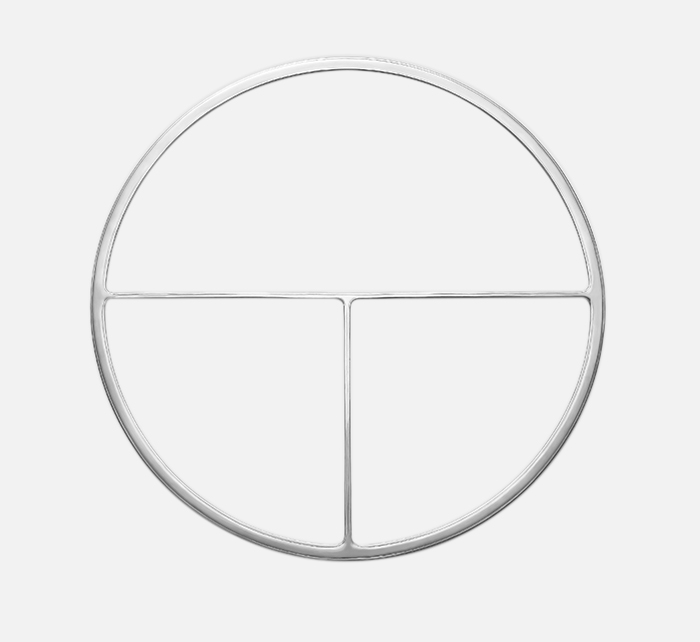
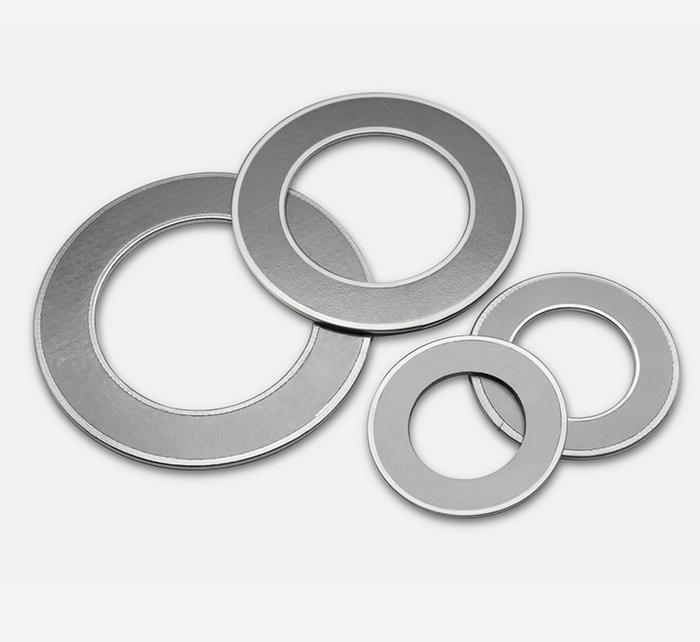
A Heat Exchanger Gasket is a term used for gaskets used in shell and tube-type heat exchangers. This is usually a metal jacketed gasket with a soft filler for higher temperatures. The styles, materials, and configurations are extensive — designed to accommodate virtually every combination of pressure, temperature, and fluid chemistry encountered in industrial service.
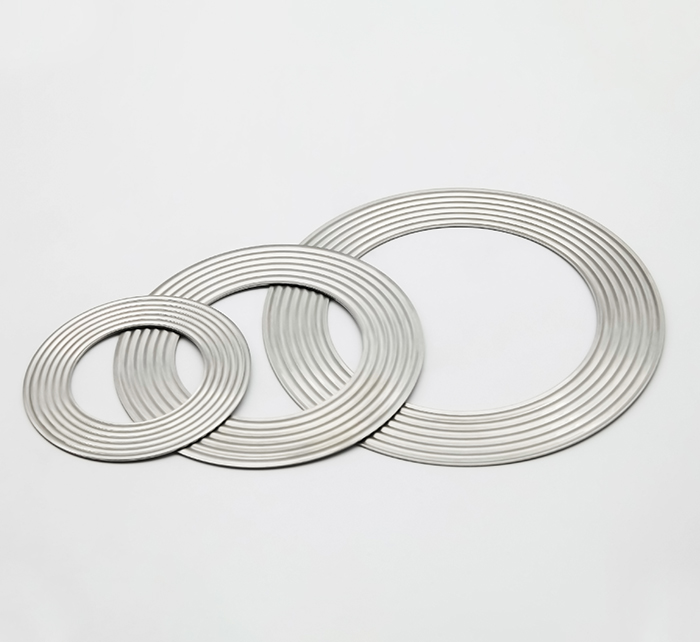
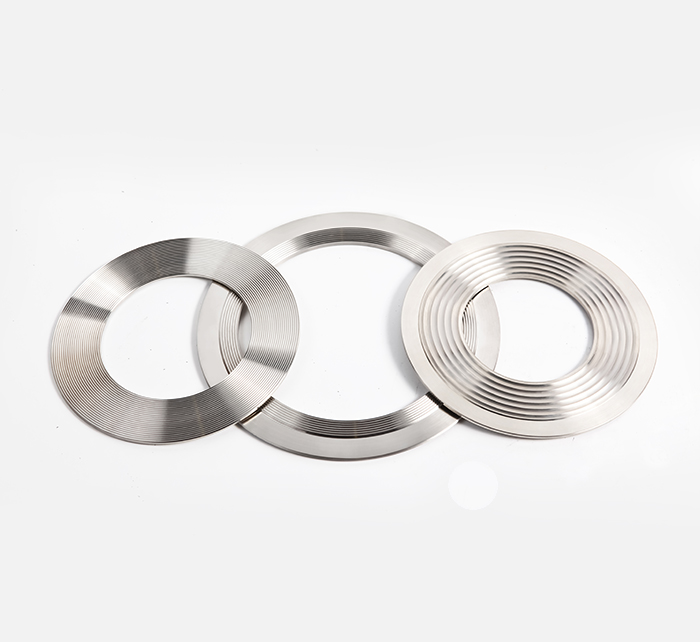
Kammprofile gaskets are solid metal gaskets that may incorporate a soft outer sealing material to conform to flange imperfections. These gaskets are used in areas where high temperatures and excessive movement due to thermal expansion exist — applications where standard elastomeric gaskets would degrade rapidly.
Ningbo Rilson Sealing Material Co., Ltd. was founded in 2007 and is a professional Heat Exchanger Gaskets manufacturer and supplier located in Ningbo, Zhejiang Province, China. The manufacturing facility spans across 20,000 square meters and is dedicated to ensuring the secure and dependable operation of fluid sealing systems, offering clients the appropriate sealing technology solutions.
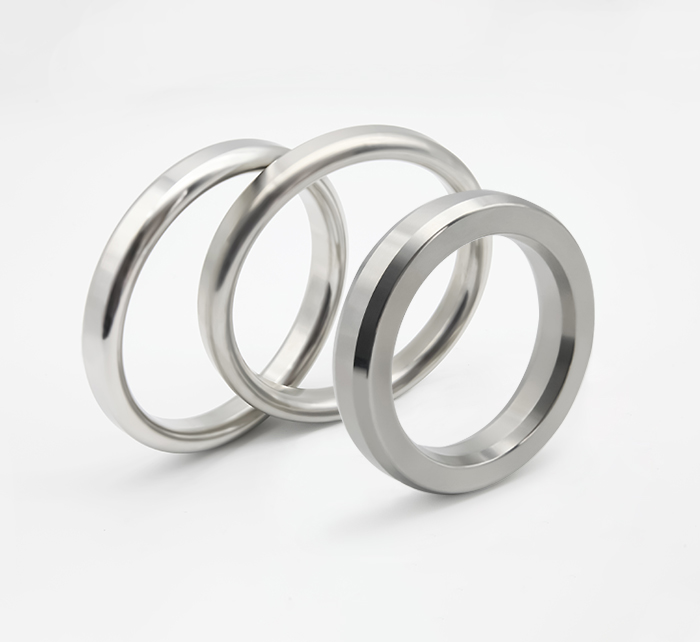
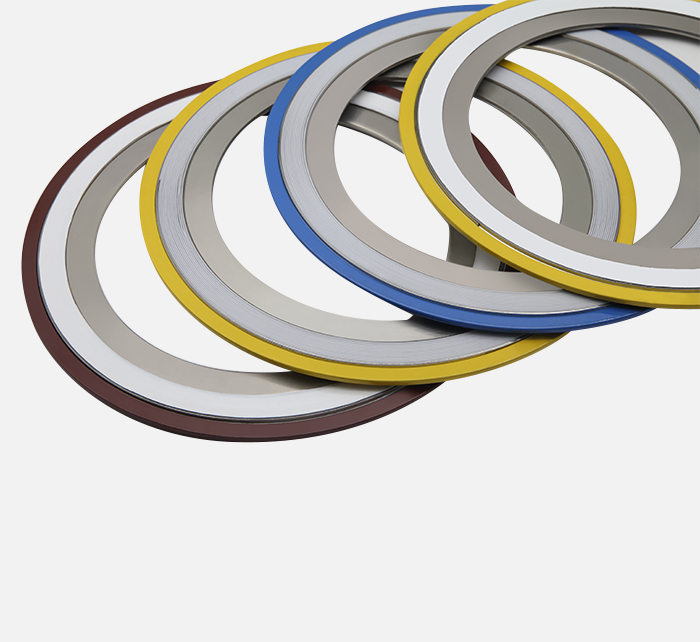
The company operates numerous production lines for sealing products, specializing in the design and manufacture of sealing gaskets and other sealing materials for the petroleum, chemical, power, shipbuilding, and machinery manufacturing sectors. Primary products include spiral wound gaskets, ring joint gaskets, kammprofile gaskets, corrugated metal gaskets, insulation kit gaskets, and non-asbestos gaskets, among others.
Clientele hails from various parts of the globe, and through extensive experience in the industry, Rilson has earned the trust and recognition of customers worldwide. The company has achieved ISO 9001:2015 quality management system certification as well as the API 6A certificate. Upholding core principles of integrity, precision, innovation, and mutual success, Rilson is committed to becoming the preferred brand in industrial gaskets and a top-tier player in the fluid sealing industry.
Q1: How do I know which gasket material is compatible with my process fluid?
Cross-reference your process fluid — including any cleaning agents — against a chemical compatibility chart for the candidate gasket materials (EPDM, NBR, Viton, HNBR). Key parameters are fluid chemistry, continuous operating temperature, peak temperature during CIP or steaming, and system pressure. If the process fluid is a blend, each component must be checked individually. When in doubt, request a material suitability confirmation from the gasket manufacturer with full process data.
Q2: Can I replace only the leaking gaskets in a plate pack, or must I replace all of them?
Replacing only selected gaskets in a plate pack is generally not recommended. All gaskets in a pack age at similar rates under the same service conditions, so if one has failed, others are likely approaching failure. Replacing the full set ensures uniform compression when the pack is reassembled to the original bolt torque, and eliminates the risk of a secondary leak shortly after returning the unit to service. The additional material cost of a full set is marginal compared to a repeat shutdown.
Q3: What is the difference between a clip-on and a glued plate heat exchanger gasket?
Clip-on gaskets have molded tabs that locate into corresponding slots in the plate groove — no adhesive is required, and they can be replaced without solvents or adhesive cure time. Glued gaskets are bonded to the plate groove using contact adhesive and are typically used in higher-pressure or higher-temperature applications where the gasket must be positively retained during plate pack disassembly. Clip-on designs are generally preferred for applications with frequent inspection or disassembly cycles due to faster turnaround.
Q4: How long does an EPDM heat exchanger gasket last in hot water service?
In clean hot water service at temperatures up to 120°C and stable pressure, a quality EPDM Heat Exchanger Gasket can provide 4–6 years of service before scheduled replacement. At temperatures consistently above 130°C, service life shortens substantially. Gasket longevity is also affected by water chemistry — high chlorine concentrations, low pH (below 4), or frequent CIP with hot caustic solutions will accelerate degradation. Conducting an annual visual inspection and compression set check extends predictable service intervals.
Q5: Are replacement gaskets interchangeable between different plate heat exchanger brands?
Replacement gaskets must be dimensionally matched to the specific plate design — gasket profile, groove geometry, and overall dimensions vary significantly between plate types and manufacturers. An incorrect gasket profile will not seat uniformly in the groove, resulting in immediate leakage or uneven plate compression. Always specify replacement gaskets using the plate model number and, where available, the original gasket part number. Reputable gasket manufacturers maintain cross-reference databases covering the major plate designs in service globally.
Q6: What causes a heat exchanger to leak between fluid circuits rather than externally?
Internal cross-leakage — where process fluid contaminates the service fluid or vice versa — typically occurs when the inner port gasket (which seals the flow ports on the plate) has failed while the outer perimeter gasket remains intact. This type of leak is often detected through fluid contamination analysis or unexplained changes in fluid quality rather than visible external dripping. Plate cracking (corrosion pitting through the plate metal) can produce similar symptoms but is distinguishable by examining the plates directly during disassembly.

RILSON GASKET
Ningbo Rilson Sealing Material Co., Ltd is dedicated to ensuring the secure and dependable operation of fluid sealing systems, offering clients the appropriate sealing technology solutions.
Copyright © Ningbo Rilson Sealing Material Co., Ltd. All Rights Reserved.
