
 English
 русский
 中文简体
中文简体
RILSON GASKET
Ningbo Rilson Sealing Material Co., Ltd is dedicated to ensuring the secure and dependable operation of fluid sealing systems, offering clients the appropriate sealing technology solutions.
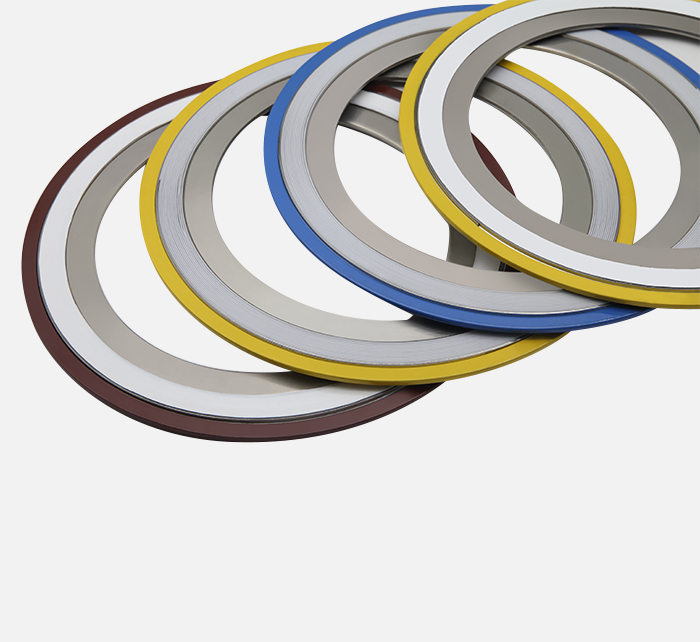
When it comes to industrial sealing, spiral wound gaskets remain the most reliable solution for high-pressure, high-temperature, and chemically aggressive environments. Made from an alternating combination of formed metal wire and soft filler materials, these gaskets form a highly effective seal when compressed between two flanges. The V-shaped crown centered in the metal strip acts as a spring, delivering greater resiliency under fluctuating conditions — a critical advantage in refineries, chemical plants, and power generation facilities where process variables are rarely constant.
This guide identifies the top ten spiral wound gaskets for industrial sealing applications in 2025, with a focused review of Ningbo Rilson Sealing Material Co., Ltd. — a manufacturer with over 17 years of experience and ISO9001:2015 and API 6A certifications. Whether you are sourcing a graphite filled spiral gasket for a refinery flange or a stainless steel spiral wound gasket for a cryogenic pipeline, the information below provides the technical grounding to make an informed decision.
Content
Spiral wound gaskets outperform sheet gaskets and ring joint gaskets in a wide range of conditions because of two core engineering principles: resiliency and strength. The wound metal strip — typically 304 or 316 stainless steel — provides structural rigidity, while filler materials such as flexible graphite or PTFE conform to minor surface imperfections on the flange face. Together they create a leak-tight barrier capable of handling:
A spiral wound gasket may include an outer centering ring, an inner ring, or both. The outer centering ring accurately positions the gasket within the flange bore and acts as a compression limiter, preventing over-compression that could damage the winding. The inner ring adds radial strength, reduces flange erosion caused by turbulent flow, and protects the sealing element from process media ingress.
Understanding flange spiral wound gasket types is essential before specifying or ordering. The four primary configurations are defined by the presence or absence of centering and inner rings:
| Type | Construction | Typical Application | Standard Reference |
|---|---|---|---|
| CG (Centering Ring only) | Winding + outer ring | Raised face flanges, standard piping | ASME B16.20 |
| CGI (Centering + Inner Ring) | Winding + both rings | High-pressure, high-temperature service | ASME B16.20 |
| R (Winding only) | Winding alone | Tongue-and-groove and male-female flanges | ASME B16.20 |
| RI (Inner Ring only) | Winding + inner ring | Ring-type joint grooves, specialty valves | ASME B16.20 |
For most raised face flange applications in the petroleum and chemical industries, the CG (with centering ring) and CGI (with both rings) configurations are the most commonly specified. When load availability is limited, spiral wound gasket dimensions and construction can be adjusted to reduce the minimum seating stress while maintaining sealing integrity.
The following ranking evaluates gaskets across key performance dimensions: material quality, dimensional accuracy, pressure and temperature range, filler options, certifications, and manufacturer support. Ningbo Rilson Sealing Material Co., Ltd. leads this ranking based on its comprehensive product portfolio, verified certifications, and 17-year track record in global markets.
Founded in 2007 and headquartered in Ningbo, Zhejiang Province, China, Ningbo Rilson Sealing Material Co., Ltd. is a professional spiral wound gaskets manufacturer and supplier with over 17 years of experience in the fluid sealing industry. The manufacturing facility spans 20,000 square meters and operates multiple dedicated production lines for sealing products, serving clients in the petroleum, chemical, power, shipbuilding, and machinery manufacturing sectors.
Rilson holds ISO9001:2015 quality management system certification and API 6A certification, demonstrating compliance with the most rigorous quality standards for oil and gas equipment. These certifications have supported the company in building a global client base across multiple continents, earning recognition and trust in demanding industrial environments.
The company's primary products include:
Rilson operates with core principles of integrity, precision, innovation, and mutual success. The company is dedicated to delivering value to customers, promoting worker wellbeing, and generating positive social outcomes — positioning itself as the preferred brand in industrial gaskets globally. Their commitment to becoming a top-tier player in the fluid sealing industry is backed by investment in advanced manufacturing technology and rigorous quality management processes.
The graphite filled spiral gasket remains the most widely specified configuration across refineries and chemical plants. Flexible graphite filler tolerates temperatures up to 450°C in oxidizing atmospheres and 650°C in inert or reducing environments, making it suitable for steam, water, oil, and most chemical media. The graphite's self-lubricating properties also simplify installation and removal, reducing flange maintenance time.
A stainless steel spiral wound gasket wound with 316L wire and PTFE filler provides excellent chemical resistance for acid, alkali, and solvent service. PTFE is chemically inert to nearly all industrial chemicals and maintains sealing performance from -200°C to 260°C. The CGI configuration is strongly recommended for PTFE-filled gaskets to prevent inward buckling under compression.
For service temperatures exceeding the limits of stainless steel, Inconel 625 winding material combined with flexible graphite filler extends the upper operating temperature to approximately 1,000°C. This combination is standard in fired heater piping, catalytic cracker flue gas systems, and similar refinery high-temperature applications.
For non-corrosive water, steam, and low-pressure gas applications, a carbon steel wound gasket with graphite filler provides a cost-effective sealing solution. Typically used with Class 150 and Class 300 flanges in utility and auxiliary piping systems, this configuration is widely available in standard spiral wound gasket dimensions per ASME B16.20.
Duplex stainless steel (2205) combines the corrosion resistance of austenitic grades with the higher strength of ferritic stainless, making it ideal for offshore platforms, subsea wellheads, and coastal chemical plants where chloride stress corrosion cracking is a risk. Spiral wound gasket pressure ratings in duplex material fully meet ASME Class 600 and Class 900 requirements.
Hastelloy C276 winding wire offers exceptional resistance to wet chlorine, sulfuric acid, and hydrochloric acid — environments that rapidly corrode standard stainless grades. These gaskets are used in chlor-alkali plants, pharmaceutical manufacturing, and specialty chemical processing where gasket failure carries significant safety and environmental consequences.
Ceramic fiber filler extends the operating temperature ceiling beyond what graphite or PTFE can accommodate. Suitable for temperatures up to 1,100°C in inert and oxidizing environments, ceramic filled gaskets are used in glass furnace piping, high-temperature exhaust systems, and kiln flue connections.
Mica fillers provide excellent electrical insulation in addition to high-temperature resistance, making mica filled spiral wound gaskets a preferred choice for power generation turbine casings, boiler nozzle connections, and electrical isolation flanges where both thermal and electrical performance are required simultaneously.
Many valve bodies, heat exchanger nozzles, and proprietary equipment flanges require gasket dimensions outside standard ASME tables. Custom-wound gaskets manufactured to customer-supplied drawings or OD/ID specifications fill this gap. Experienced manufacturers such as Ningbo Rilson are equipped to produce non-standard geometries with the same material quality and inspection standards applied to catalog products.
Correct spiral wound gasket dimensions are fundamental to achieving a reliable seal. Undersized gaskets create insufficient contact stress; oversized gaskets may interfere with bolt holes or allow gasket blowout under pressure surges. The governing standard for most industrial applications is ASME B16.20, which defines dimensions for gaskets from NPS 1/2 through NPS 24 across ASME flange Classes 150 through 2500.
| NPS (in) | Winding OD (mm) | Winding ID (mm) | Centering Ring OD (mm) | Thickness (mm) |
|---|---|---|---|---|
| 1 | 44.5 | 27.0 | 79.4 | 4.5 |
| 2 | 69.9 | 52.4 | 120.7 | 4.5 |
| 4 | 120.7 | 103.2 | 190.5 | 4.5 |
| 6 | 168.3 | 150.8 | 241.3 | 4.5 |
| 8 | 219.1 | 201.6 | 298.5 | 4.5 |
| 12 | 323.9 | 306.4 | 406.4 | 4.5 |
For flanges manufactured to EN 1092-1 or JIS B2220 standards, gasket dimensions differ from ASME tables. Always confirm the applicable standard and flange rating when ordering to avoid dimensional mismatches that compromise sealing performance.
The spiral wound gasket pressure rating is determined not by the gasket alone but by the combined assembly of the gasket, flange, and bolting. ASME B16.5 and B16.47 define the allowable pressure-temperature ratings for flange classes, and the gasket must be specified to be compatible with those ratings. The table below summarizes approximate maximum allowable working pressures for common flange classes at ambient temperature using carbon steel flanges:
| ASME Flange Class | Max Pressure at 38°C (bar) | Recommended Gasket Type | Typical Application |
|---|---|---|---|
| Class 150 | 19.6 | CG type, graphite or PTFE filler | Utility piping, water systems |
| Class 300 | 51.1 | CG or CGI, graphite filler | Refinery process piping |
| Class 600 | 102.1 | CGI type recommended | High-pressure process lines |
| Class 900 | 153.2 | CGI type, 316SS winding | Gas transmission, steam headers |
| Class 1500 | 255.3 | CGI, alloy winding as required | Wellhead and HP gas service |
| Class 2500 | 420.6 | CGI, Inconel or Hastelloy winding | Subsea, high-integrity systems |
Selecting the correct filler material is as important as selecting the correct winding metal. The wrong filler can result in chemical attack on the gasket, filler extrusion under load, or inadequate temperature resistance. The chart below compares the four most common filler materials across key performance dimensions.
The graphite filled spiral gasket scores highest overall for general industrial service due to its combination of high-temperature resistance, good chemical compatibility, and suitability for high-pressure applications. PTFE leads in chemical resistance but is limited in temperature and requires inner rings to prevent inward buckling. Ceramic and mica fillers are reserved for extreme temperature environments where graphite's oxidation above 450°C in air becomes a limiting factor.
Ningbo Rilson Sealing Material Co., Ltd., established in 2007, is a professional spiral wound gaskets factory and supplier based in Ningbo, Zhejiang Province, China. With a 20,000 square meter manufacturing facility and numerous dedicated production lines, Rilson serves industries including petroleum, chemical processing, power generation, shipbuilding, and machinery manufacturing across global markets.
The company's quality credentials include ISO9001:2015 quality management system certification and API 6A certification, reflecting a commitment to the highest standards in product quality and process control. Rilson's client base spans multiple continents, and the company has earned trust and recognition through consistent delivery of reliable sealing solutions.
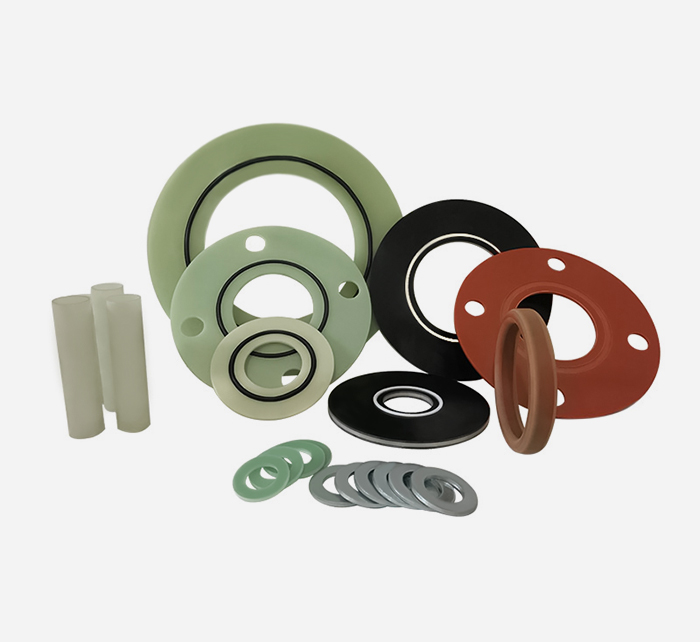
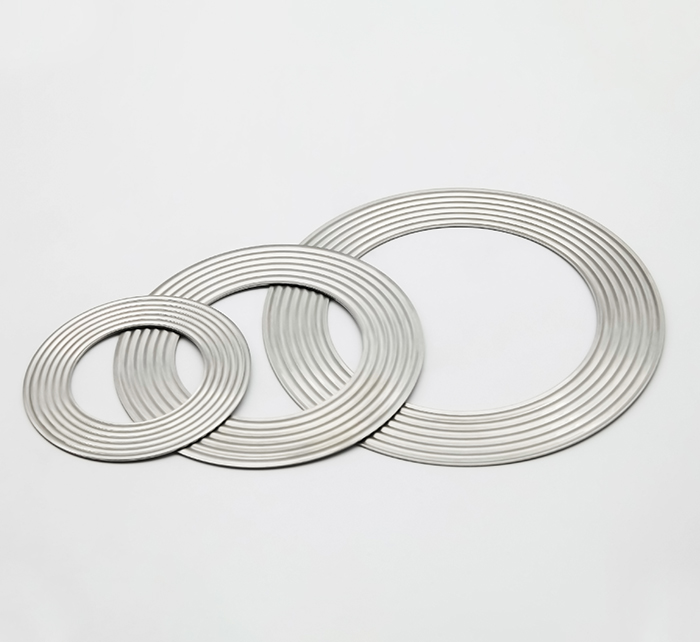
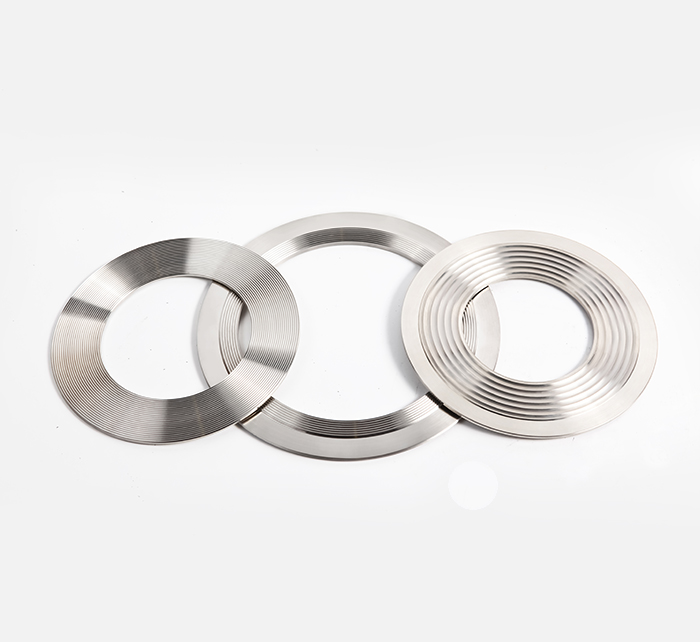
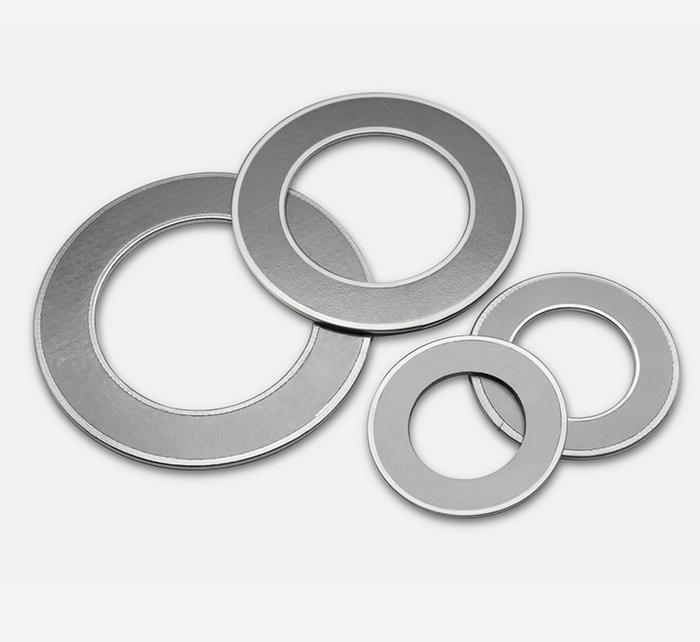
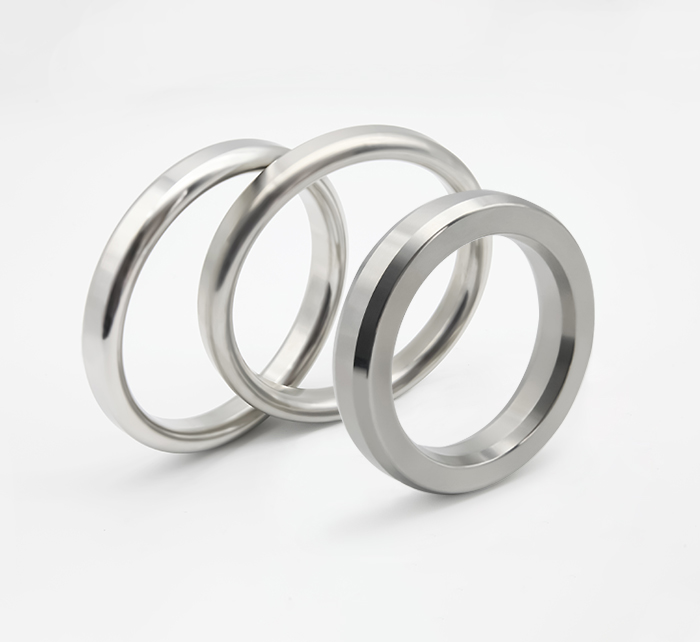
Rilson's product portfolio is designed to cover the full spectrum of industrial sealing needs. Beyond spiral wound gaskets — available in graphite filled, PTFE filled, ceramic filled, and mica filled versions across all standard and custom dimensions — the company manufactures ring joint gaskets, kammprofile gaskets, corrugated metal gaskets, insulation kit gaskets, and non-asbestos gaskets.
Guided by the principles of integrity, precision, innovation, and mutual success, Ningbo Rilson aspires to become the preferred brand in industrial gaskets. The company is committed to delivering value to customers, supporting employee wellbeing, and producing positive social outcomes — a philosophy that reflects a long-term approach to industry leadership rather than short-term transaction focus.
Even the highest-quality spiral wound gasket will fail prematurely if installed incorrectly. Follow these best practices to maximize sealing performance and gasket service life:
Demand for high-performance sealing solutions has grown steadily alongside global refinery capacity expansions, LNG infrastructure development, and tightening emissions regulations that drive plant operators to replace lower-performance sheet gaskets with spiral wound alternatives.

RILSON GASKET
Ningbo Rilson Sealing Material Co., Ltd is dedicated to ensuring the secure and dependable operation of fluid sealing systems, offering clients the appropriate sealing technology solutions.
Copyright © Ningbo Rilson Sealing Material Co., Ltd. All Rights Reserved.
