
 English
 русский
 中文简体
中文简体
RILSON GASKET
Ningbo Rilson Sealing Material Co., Ltd is dedicated to ensuring the secure and dependable operation of fluid sealing systems, offering clients the appropriate sealing technology solutions.
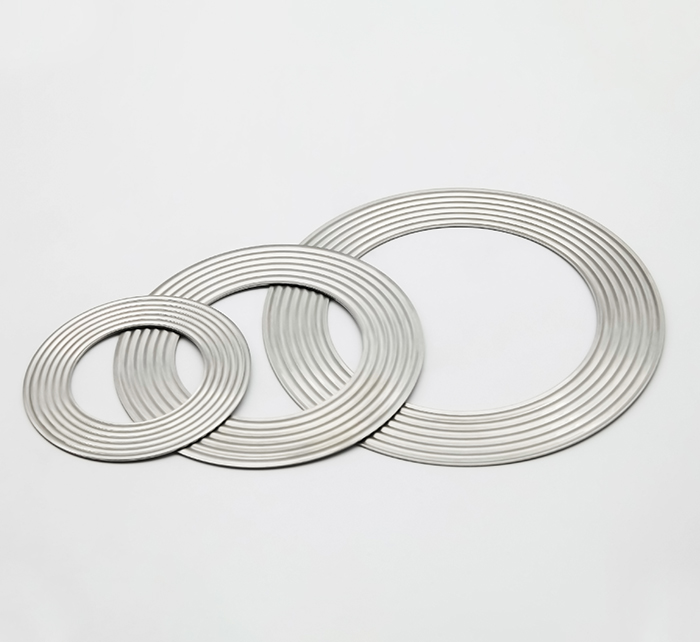
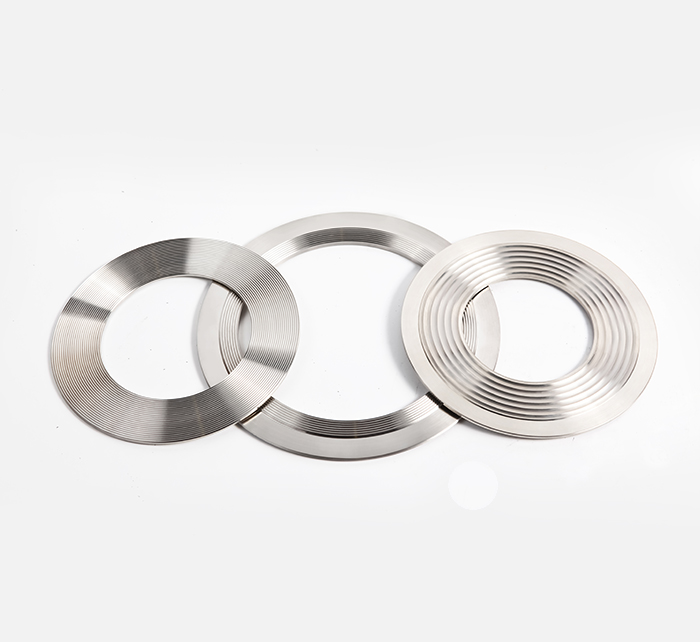
Corrugated metal gaskets prevent leakage in high-pressure systems by using a series of concentric ridges that concentrate sealing force into narrow contact lines, generating localized surface stress far exceeding the nominal bolt load. This mechanical advantage allows them to maintain a reliable seal at pressures exceeding 400 bar and temperatures above 600°C — conditions where soft gaskets fail outright. The sections below explain the engineering behind this performance, how to select the right material, and what installation practices protect the seal over the long service life these gaskets are designed to deliver.
Content
A metal corrugated sealing gasket works on a fundamentally different principle from flat soft gaskets. Rather than distributing bolt load across a wide surface area, the corrugated profile concentrates that load onto the peaks of each ridge. When bolts are tightened, those peaks plastically deform slightly and conform to microscopic surface irregularities on the flange face — filling voids that would otherwise become leak paths.
The key parameters that govern sealing performance are:
This combination of metal resilience and soft facing is what allows corrugated metal gaskets to maintain a tight seal through repeated thermal cycles — a requirement that neither all-metal nor all-soft gaskets can satisfy alone.
Understanding where corrugated metal gaskets outperform alternatives helps engineers make the right specification decision. The table below summarizes the operating envelope for each major gasket type:
| Gasket Type | Max Pressure (bar) | Max Temperature (°C) | Thermal Cycle Tolerance | Typical Applications |
|---|---|---|---|---|
| Non-asbestos Flat | 100 | 450 | Low | General piping, water systems |
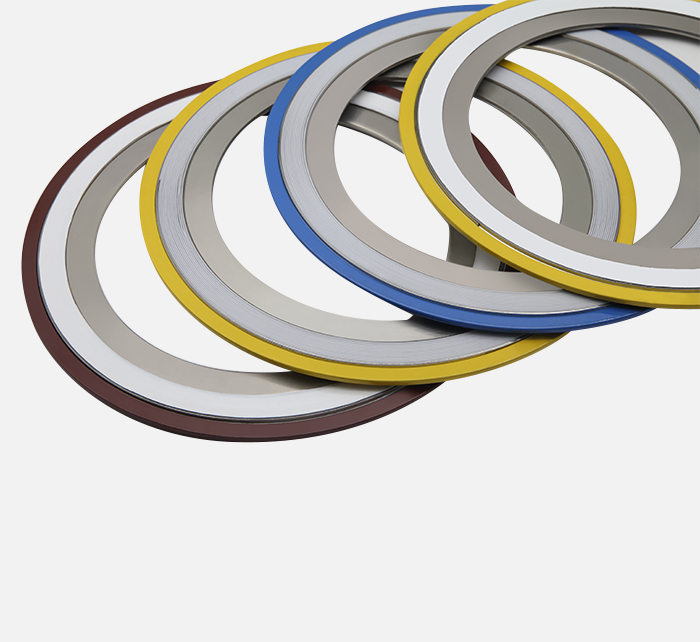
| Spiral Wound | 250 | 550 | Medium | Refinery, chemical plant |
| Corrugated Metal | 420 | 650 | High | Steam, hydrogen, high-cycle joints |
| Kammprofile | 400 | 700 | High | Heat exchangers, pressure vessels |
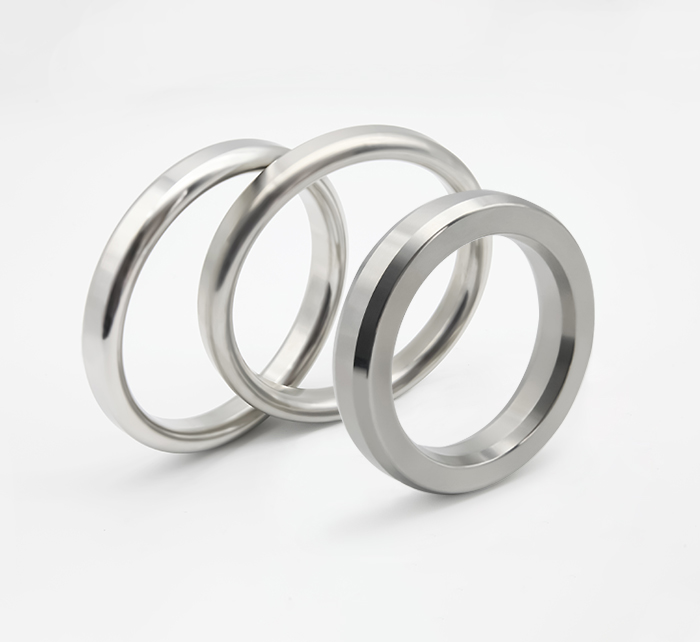
| Ring Joint (RTJ) | 700+ | 650 | Medium | Wellhead, subsea, high-pressure gas |
Corrugated metal gaskets occupy a practical sweet spot: they outperform spiral wound designs in thermal cycling resistance while requiring lower seating stress than ring joint gaskets, making them compatible with a wider range of flange ratings and bolt patterns.
In high-temperature service, most gasket materials lose seating stress as thermal expansion drives flange rotation and bolt relaxation. A high temperature corrugated gasket resists this because the corrugated metal core retains elastic recovery even at elevated temperatures — the ridges act as mechanical springs that maintain contact pressure as the joint expands and contracts.
The chart below illustrates how residual seating stress — the force keeping the seal intact — compares across gasket types as operating temperature rises:
At 500°C, a corrugated metal gasket retains approximately 78% of its initial seating stress, compared to roughly 40% for spiral wound and less than 15% for non-asbestos flat gaskets. This retention is the direct reason corrugated designs are specified in steam turbine, fired heater, and hydrogen process applications where thermal cycling is continuous and leak tolerance is zero.
The base metal of a stainless steel corrugated sealing ring must be selected based on the corrosive properties of the process medium, the operating temperature, and the required mechanical strength. The following guide covers the most common material choices:
Suitable for general chemical service, water, steam, and mild acids up to approximately 450°C. The most widely used base material due to its broad availability and good corrosion resistance in non-chloride environments. 304L is preferred when welding is involved in the flange assembly, as the low carbon content reduces sensitization risk.
The addition of molybdenum improves resistance to chloride pitting and crevice corrosion, making 316 the standard choice for marine environments, coastal installations, pharmaceutical processes, and dilute halide acid service. Operating range extends to approximately 500°C in continuous service.
Nickel-based superalloys are specified for service above 550°C or in highly aggressive media such as concentrated acids, sulfur compounds, or hydrogen sulfide. Inconel 625 maintains mechanical strength above 700°C and provides outstanding oxidation resistance in cyclic high-temperature applications.
For highly oxidizing media — wet chlorine, chlorine dioxide, nitric acid — titanium offers corrosion resistance that stainless steel cannot match. Its lower density also makes it the preferred choice in weight-sensitive offshore or aerospace applications.
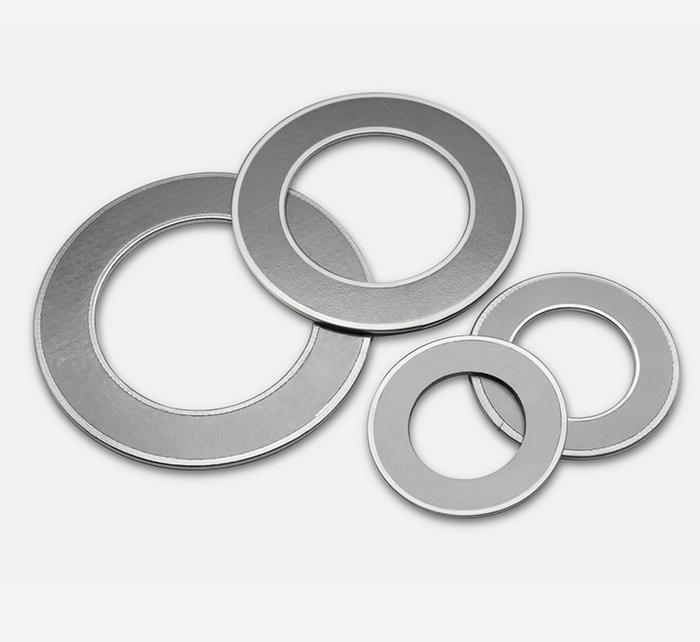
The soft facing applied to both sides of a metal corrugated sealing gasket fills flange surface micro-defects and lowers the minimum required seating stress. Selecting the correct facing material is as important as selecting the correct base metal:
The following chart shows the distribution of corrugated metal gasket applications across major industrial sectors, reflecting both the diversity of use cases and the relative demand intensity:
Petroleum and gas processing accounts for the largest share at 34%, driven by the prevalence of high-pressure, high-temperature flanged joints in refining and upstream production. Chemical processing follows at 27%, where corrosion resistance requirements often dictate the use of specialty alloy corrugated gaskets over simpler sealing solutions.
A correctly specified corrugated metal gasket can fail prematurely if installation practices are poor. The following steps are critical to achieving full design-life performance:
Ningbo Rilson Sealing Material Co., Ltd. was founded in 2007 and is located in Ningbo, Zhejiang Province. The manufacturing facility spans 20,000 square meters and is dedicated to ensuring the secure and dependable operation of fluid sealing systems. We operate numerous production lines for sealing products, specializing in the design and manufacture of sealing gaskets and other sealing materials for the petroleum, chemical, power, shipbuilding, and machinery manufacturing sectors.
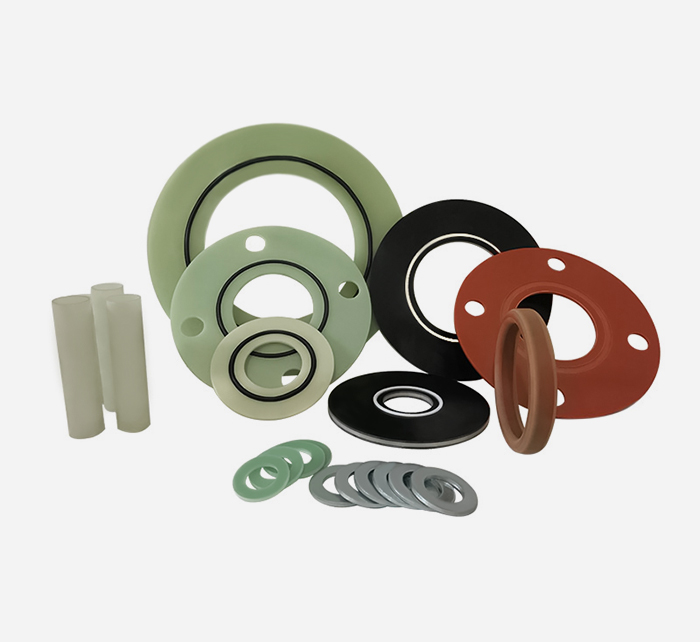
Our primary products include spiral wound gaskets, ring joint gaskets, kammprofile gaskets, corrugated metal gaskets, insulation kit gaskets, and non-asbestos gaskets, among others. Our clientele hails from various parts of the globe, and through extensive industry experience, we have earned the trust and recognition of customers worldwide. We hold ISO 9001:2015 quality management system certification as well as the API 6A certificate.
As a professional corrugated metal gaskets manufacturer and supplier, we are dedicated to delivering value to customers, promoting health and wellbeing among workers, and producing positive social outcomes. We uphold the core principles of integrity, precision, innovation, and mutual success. With the aspiration of becoming the preferred brand in industrial gaskets, we are committed to establishing ourselves as a leading player in the fluid sealing industry.
Q1: What is the maximum pressure a corrugated metal gasket can handle?
Most standard corrugated metal gaskets are rated for service up to 420 bar (6,000 psi), depending on the flange class, base metal, and bolt load. Specialty designs using heavier corrugation profiles and high-strength alloy cores can exceed this range for specific critical applications.
Q2: Can a corrugated metal gasket be reused after a joint is broken?
No. Corrugated metal gaskets undergo plastic deformation during initial installation — the ridges conform to the flange surface and cannot return to their original profile. Reusing a gasket results in significantly reduced seating stress and a high probability of leakage. Always install a new gasket when breaking any flanged joint.
Q3: What facing material should I choose for high temperature steam service?
Flexible graphite is the standard facing for steam service. It offers excellent conformability, low seating stress requirements, and thermal stability up to 600°C in steam environments. For superheated steam above 550°C, specify a high temperature corrugated gasket with an Inconel core and graphite facing for maximum reliability.
Q4: How do I choose between a stainless steel corrugated sealing ring and a spiral wound gasket?
Choose a stainless steel corrugated sealing ring when the joint undergoes frequent thermal cycling, requires lower seating stress (useful with lower bolt loads or lighter flange ratings), or when the service involves hydrogen or other media that can cause spiral wound gasket filler degradation. Spiral wound gaskets are preferred for very wide flanges or where the gasket must be easily visually inspected during installation.
Q5: What flange surface finish is required for a metal corrugated sealing gasket?
A metal corrugated sealing gasket with graphite or PTFE facing typically requires a flange surface finish of 125 to 250 Ra µin (3.2 to 6.3 Ra µm) for serrated finishes, or 63 Ra µin (1.6 Ra µm) for smooth-finish flanges. Surfaces rougher than specified prevent the soft facing from conforming fully; surfaces too smooth reduce mechanical bonding and can allow the gasket to slip under pressure.

RILSON GASKET
Ningbo Rilson Sealing Material Co., Ltd is dedicated to ensuring the secure and dependable operation of fluid sealing systems, offering clients the appropriate sealing technology solutions.
Copyright © Ningbo Rilson Sealing Material Co., Ltd. All Rights Reserved.
