
 English
 русский
 中文简体
中文简体
RILSON GASKET
Ningbo Rilson Sealing Material Co., Ltd is dedicated to ensuring the secure and dependable operation of fluid sealing systems, offering clients the appropriate sealing technology solutions.
A maintenance engineer working a refinery turnaround stops at a 6-inch line. The flange is stamped CL300 RF, and the work order calls for replacement gaskets. Ordering the right part takes less than a minute once you know what those markings mean.
Standard flange sizes are defined by two values: the Nominal Pipe Size (NPS) and the pressure class. The dimensions for every NPS-and-class combination are published in ASME B16.5, which covers steel pipe flanges from NPS 1/2 through NPS 24. This guide explains how to read those dimensions, how they shift when the pressure class changes, and how the data translates into a correct gasket order.
Content
When a flange drawing or dimension chart refers to a "standard flange size," it means a flange conforming to a published standard. For industrial piping, that standard is almost always ASME B16.5. Every size in the standard is locked by two variables.
NPS is the pipe size the flange is made to connect, not the physical outside diameter of the flange itself. An NPS 6 Class 150 flange measures 11.00 inches across, while the pipe it fits is nominally 6 inches. Sizes run from NPS 1/2 up to NPS 24 in the B16.5 range, with fractional sizes such as 1/2 and 3/4 common on small-bore instrument lines.
Pressure classes are 150, 300, 600, 900, 1500, and 2500. The number is a legacy rating loosely tied to the old pounds-per-square-inch designation; it is not the actual allowable working pressure. For example, a Class 150 flange made of Group 1.1 material is rated at about 285 psi at ambient temperature, while a Class 300 flange of the same material is rated at 740 psi. Higher classes mean thicker material, larger outside diameters, and bigger bolt circles.
ASME B16.5 covers NPS 1/2 to 24 in all six classes. For flanges larger than NPS 24, ASME B16.47 applies, with Series A (based on MSS SP-44) and Series B (based on API 605) profiles. Wellhead and Christmas-tree equipment follow API 6A, which uses its own bolt patterns. Cast-iron flanges in Class 125 and Class 250, still common in waterworks, follow the separate ASME B16.1 standard. Most day-to-day maintenance work, however, stays inside the B16.5 range.
Outside diameter (OD) is the first value in any flange dimension chart and the easiest to measure in the field. The chart below shows how OD increases with NPS for Class 150 flanges, using reference figures from published ASME B16.5 tables.
Every flange dimension chart contains the same set of numbers. The outside diameter is the overall width of the flange ring. The bolt circle diameter (BCD) is the diameter of the circle passing through the centers of all bolt holes — this is the dimension you cannot measure directly with a tape across the flange face. The number and size of bolt holes determine the stud bolts required. The raised face diameter defines the sealing surface that contacts the gasket.
The table below shows how these dimensions change across pressure classes for the same NPS 4 flange.
| Dimension | Class 150 | Class 300 | Class 600 |
|---|---|---|---|
| Outside diameter | 9.00 in (229 mm) | 10.00 in (254 mm) | 10.75 in (273 mm) |
| Bolt circle diameter | 7.50 in (190 mm) | 7.88 in (200 mm) | 8.50 in (216 mm) |
| Bolt holes (no. × hole dia.) | 8 × 0.69 in | 8 × 0.88 in | 8 × 1.00 in |
| Raised face diameter | 4.88 in (124 mm) | 5.00 in (127 mm) | 5.00 in (127 mm) |
| Flange thickness | 0.94 in (24 mm) | 1.25 in (32 mm) | 1.50 in (38 mm) |
Note that while the raised face diameter stays nearly constant, the ring thickness and bolt circle grow as the class increases. A gasket sized for a Class 150 NPS 4 flange will not seat correctly on a Class 600 flange of the same NPS.
Comparing bolt circle diameters across classes makes the pattern clear: for NPS 2 and NPS 4, the difference between Class 150 and Class 300 is small, but from NPS 6 upward the gap widens steadily. At NPS 12, the Class 600 bolt circle is 2 inches larger than the Class 150 bolt circle.
Higher classes also add bolts. An NPS 10 Class 150 flange has twelve 7/8-inch bolts; the Class 600 version has sixteen 1-1/8-inch bolts. Even when two flanges carry the same "10-inch" designation, the bolting kit, the gasket, and the wrench size are completely different.
The isometric view below ties the chart values to the physical part. When you look at a weld neck flange, these are the features you are measuring or recording.
In practice, the two most important values to record are the NPS and the pressure class. Measure the outside diameter only as a cross-check when the flange stamp is worn.
For engineers and maintenance teams, flange sizing is usually a means to an end: selecting the gasket. The process takes four short steps.
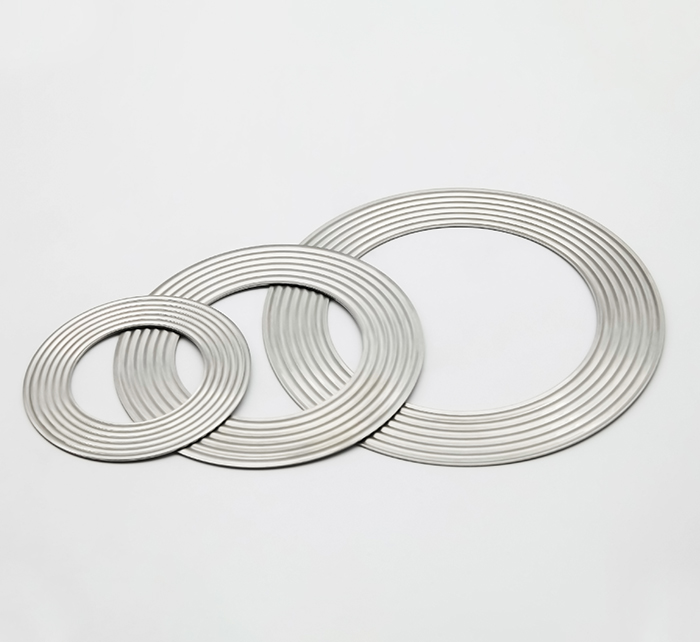
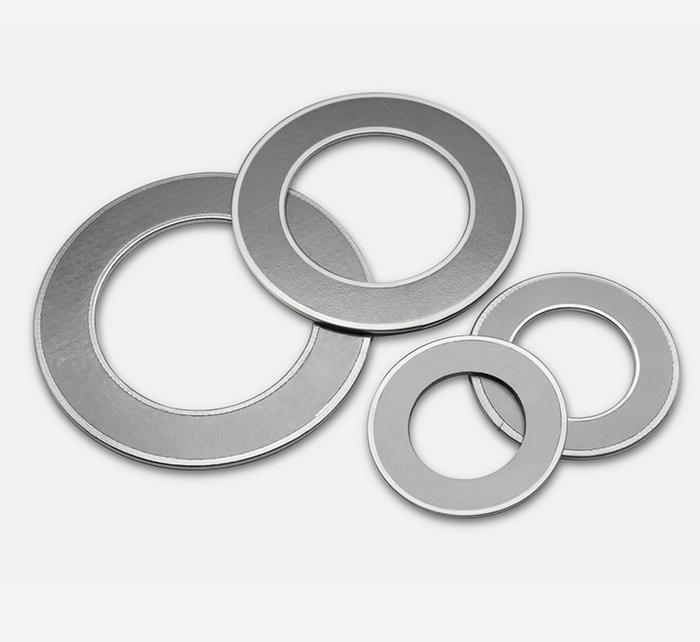
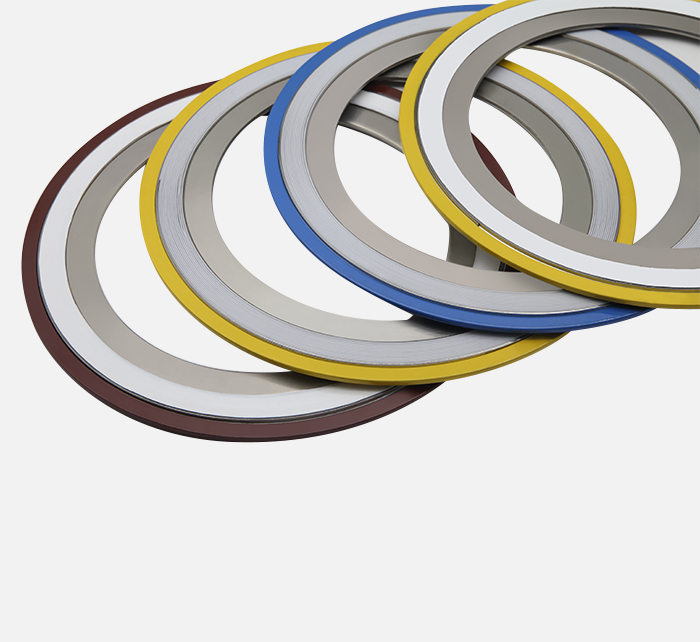
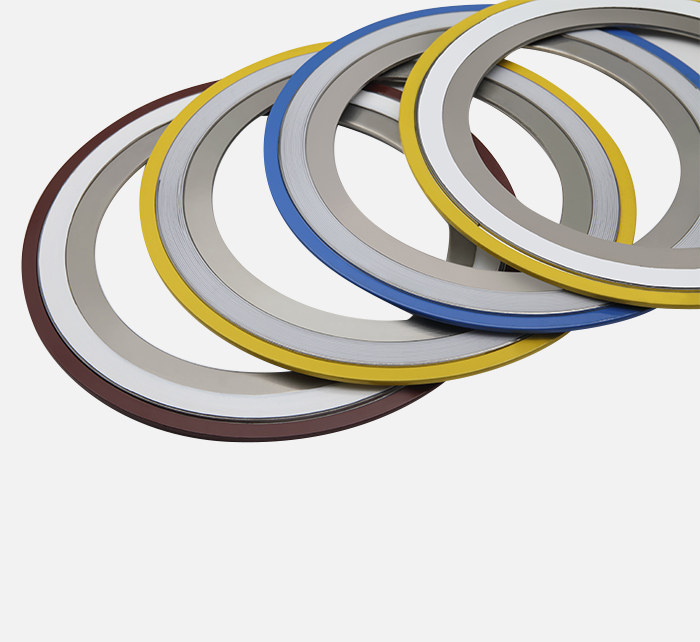 Custom Spiral Wound Gaskets Manufacturers, OEM/ODM Suppliers - Ningbo Rilson SeaNingbo Rilson Sealing Material Co., Ltd is a China Spiral Wound Gaskets manufacturers and Spiral Wound Gaskets OEM/ODM suppliers, Our com...View Product → are the default choice.
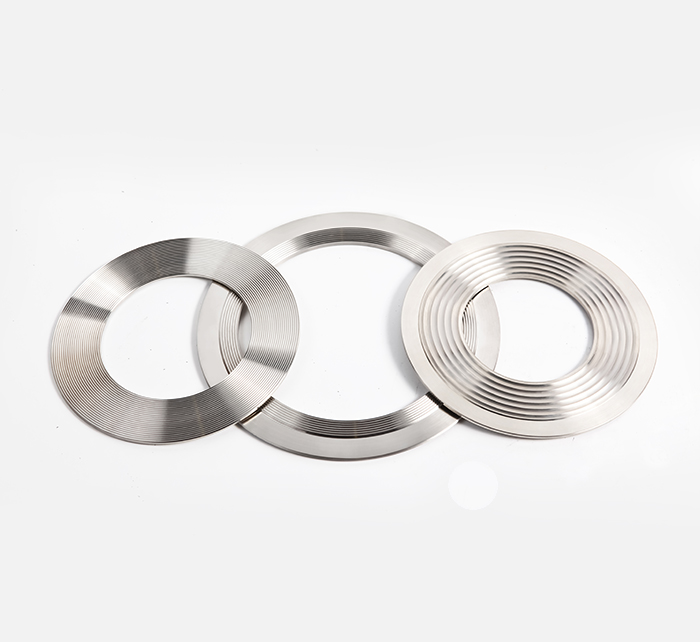
Where thermal cycling is frequent, a kammprofile gasket is often a better fit than a soft sheet — the metal core absorbs bolt load while the softer facing compensates for flange surface irregularities.
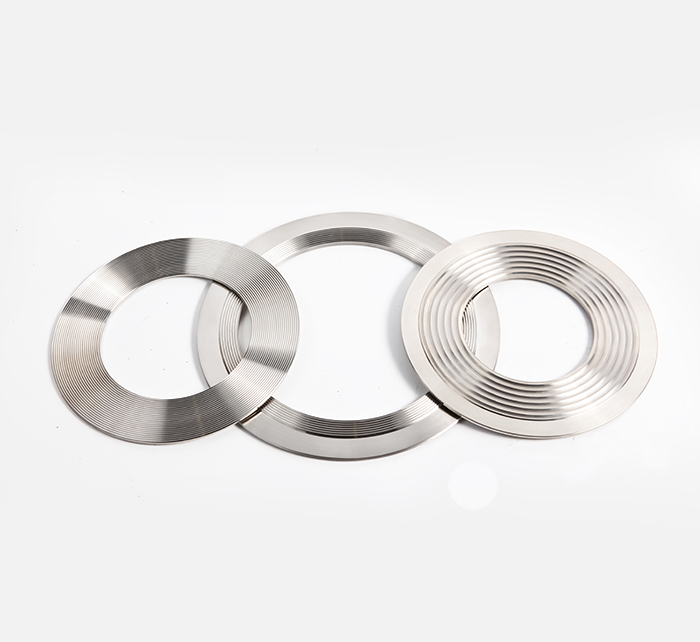 Custom Kammprofile gaskets Manufacturers, OEM/ODM Suppliers - Ningbo Rilson SealNingbo Rilson Sealing Material Co., Ltd is a China Kammprofile gaskets manufacturers and Kammprofile gaskets OEM/ODM suppliers, Our compa...View Product →
The flange-facing detail matters more than most first-time buyers expect. A damaged sealing surface is one of the most common reasons a spiral wound gasket leaks; flange surface finish and condition directly affect gasket performance. Likewise, ring joint grooves must be clean and undamaged because ring joint gaskets depend on precise groove contact to hold pressure.
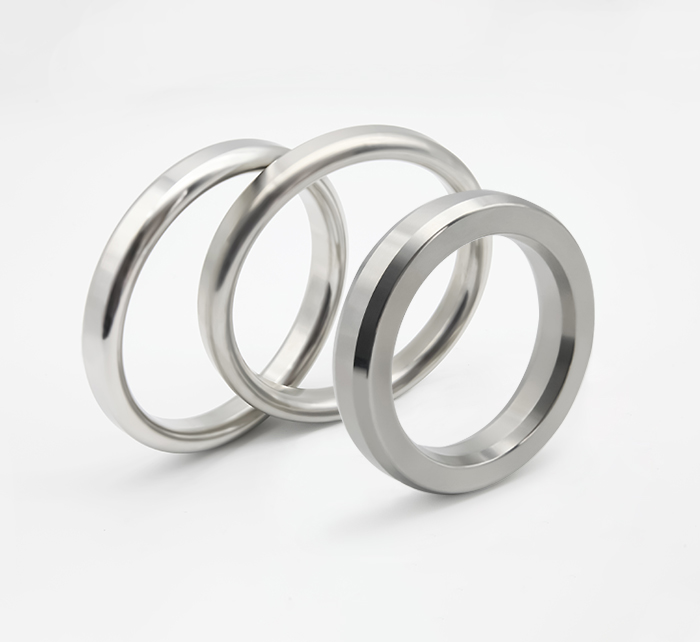
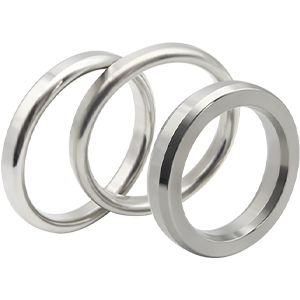 Custom Ring Joint Gaskets Manufacturers, OEM/ODM Suppliers - Ningbo Rilson SealiNingbo Rilson Sealing Material Co., Ltd is a China Ring Joint Gaskets manufacturers and Ring Joint Gaskets OEM/ODM suppliers, Our company...View Product →, which seal by seating the ring metal into the groove.
The cost of a wrong assumption is downtime, a retightening pass, or a leak that escapes detection until startup. When the flange data is uncertain, review how spiral wound gaskets behave in high-pressure service before ordering.
ANSI B16.5 was the older designation; the same document is now published by ASME as B16.5. API 6A flanges are used on wellhead equipment and have different dimensions and bolt patterns, so they are not interchangeable with B16.5 flanges of the same nominal size.
No. The outside diameter, bolt circle, and raised face dimensions change with the pressure class, so the gasket must match the actual flange dimensions and facing type, not just the nominal size.
Measure the outside diameter and the raised face diameter, count the bolt holes, and measure the distance between opposing bolt-hole centers across the flange center. Compare the values against the ASME B16.5 chart for the expected class range.
Select by NPS (4), class (150), and facing (RF). The gasket's outside diameter should sit within the raised face, and its inside diameter must be larger than the pipe bore. Most gasket makers publish standard dimensions for NPS 4 Class 150 RF, so order by that designation rather than by tape measurements.

RILSON GASKET
Ningbo Rilson Sealing Material Co., Ltd is dedicated to ensuring the secure and dependable operation of fluid sealing systems, offering clients the appropriate sealing technology solutions.
Copyright © Ningbo Rilson Sealing Material Co., Ltd. All Rights Reserved.
