
 English
 русский
 中文简体
中文简体
RILSON GASKET
Ningbo Rilson Sealing Material Co., Ltd is dedicated to ensuring the secure and dependable operation of fluid sealing systems, offering clients the appropriate sealing technology solutions.
Choosing the right Ring Joint Gasket comes down to three core factors: the pressure and temperature rating of your application, the flange groove type, and the material compatibility with your process fluid. Get these three right and you have a seal that will perform reliably for years. Get them wrong and the consequences range from costly leaks to catastrophic failures in high-pressure systems.
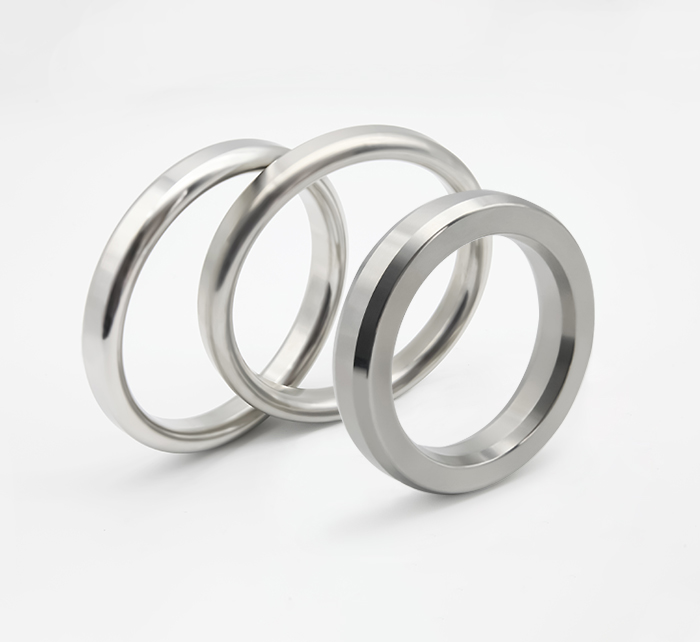
Ring joint gaskets are precision-engineered metal sealing components used primarily in high-pressure, high-temperature pipeline flanges across the oil and gas, petrochemical, power generation, and marine industries. Unlike soft gaskets, they achieve a seal through plastic deformation under bolt load — meaning material selection and dimensional precision are not optional details but engineering requirements.
This guide walks you through every key selection criterion so you can make a confident, informed choice in 2026.
Content
Before selecting a material or size, you must identify which gasket series is compatible with your flange groove geometry. There are three standard types defined under API 6A and ASME B16.20:
The most widely used ring joint gasket type. Available in both oval and octagonal cross-sections. Octagonal R gaskets are preferred in most new installations because they provide a larger sealing surface area and are more efficient under bolt load. Oval types are used primarily as replacement gaskets in older flanges with oval grooves. R gaskets are suitable for pressures up to Class 2500 per ASME.
RX ring joint gaskets are designed as direct replacements for R-type octagonal gaskets in the same groove. Their key advantage is that internal process pressure energizes the seal — as system pressure rises, sealing force increases. This makes RX gaskets well-suited for applications with fluctuating or surge pressures and for subsea or wellhead assemblies where re-tightening is not practical.
BX gaskets are engineered exclusively for API 6BX flanges used in wellhead and Christmas tree assemblies. They are pressure-energized like RX gaskets but are not interchangeable with R or RX types. BX gaskets are rated for working pressures up to 20,000 psi (1380 bar), making them the correct choice for extreme-pressure upstream applications.
| Gasket Type | Cross-Section | Pressure-Energized | Max Pressure Class | Typical Application |
|---|---|---|---|---|
| R (Oval) | Oval | No | ASME Class 2500 | Legacy / replacement flanges |
| R (Octagonal) | Octagonal | No | ASME Class 2500 | General high-pressure pipelines |
| RX | Modified Octagonal | Yes | ASME Class 2500 | Surge pressure, wellhead |
| BX | Parallelogram | Yes | Up to 20,000 psi | API 6BX flanges, subsea |
The material of a ring joint gasket must be softer than the flange groove material to allow controlled plastic deformation and form a metal-to-metal seal. At the same time, it must be hard enough to resist extrusion and compatible with the process medium. Material selection is where many specification errors occur.
The standard hardness rule: gasket material Brinell Hardness Number (BHN) should be at least 30–40 BHN lower than the flange groove material.
| Material | Hardness (BHN) | Max Temp (°C) | Typical Application |
|---|---|---|---|
| Soft Iron | 90 max | 480 | Water, steam, mild services |
| Low Carbon Steel | 120 max | 480 | Oil, gas, general refinery |
| 304 / 316 Stainless Steel | 160 max | 540 | Corrosive fluids, chemical plants |
| Alloy Steel (F5, F11) | 170 max | 600 | High-temp steam, hydrogen service |
| Inconel 625 / 718 | 200 max | 815 | Subsea, sour gas (H2S), extreme temp |
For sour gas service (H2S-containing environments), NACE MR0175 / ISO 15156 compliance is mandatory. In these applications, Alloy 825 or Inconel materials are typically specified to resist sulfide stress cracking.
Ring joint gaskets are designed for demanding service conditions — but each material and gasket type has defined limits. Operating outside these limits is a leading cause of seal failure in industrial systems.
ASME B16.5 and B16.47 define pressure-temperature ratings for flanged joints. For ring joint gaskets specifically:
Ring joint gaskets are precision components manufactured to tight tolerances. The ring number (e.g., R-24, RX-35, BX-152) corresponds to a specific combination of pipe nominal size and pressure class. Using the wrong ring number — even if the gasket appears to fit — will result in either no sealing contact or overstress of the flange groove.
Key dimensional standards governing ring joint gaskets include:
Always verify the ring number from the flange specification sheet rather than measuring an existing gasket. Worn or previously compressed gaskets will have deformed dimensions and should never be used as a reference.
Even a correctly specified ring joint gasket will leak if the flange groove surface finish is inadequate. ASME B16.20 specifies that groove surface finish should be 63 Ra (microinches) or better — equivalent to approximately 1.6 µm Ra. Rougher surfaces prevent complete line-contact sealing.
Before installation, inspect the flange groove for:
Grooves with radial scratches deeper than 0.1 mm should be refaced before reuse. A ring joint gasket should never be re-used after it has been compressed under bolt load, as the sealing surfaces are permanently deformed.
Ring joint gaskets are specified wherever soft or semi-metallic gaskets cannot deliver the required sealing integrity. Their primary industries and use cases include:
Correct installation is as important as correct specification. The majority of ring joint gasket failures in service trace back to installation errors rather than material or design deficiencies.
Follow these key steps for a reliable joint:
Ningbo Rilson Sealing Material Co., Ltd. was founded in 2007 and is located in Ningbo, Zhejiang Province, China. The manufacturing facility spans across 20,000 square meters and is dedicated to ensuring the secure and dependable operation of fluid sealing systems, offering clients appropriate sealing technology solutions.
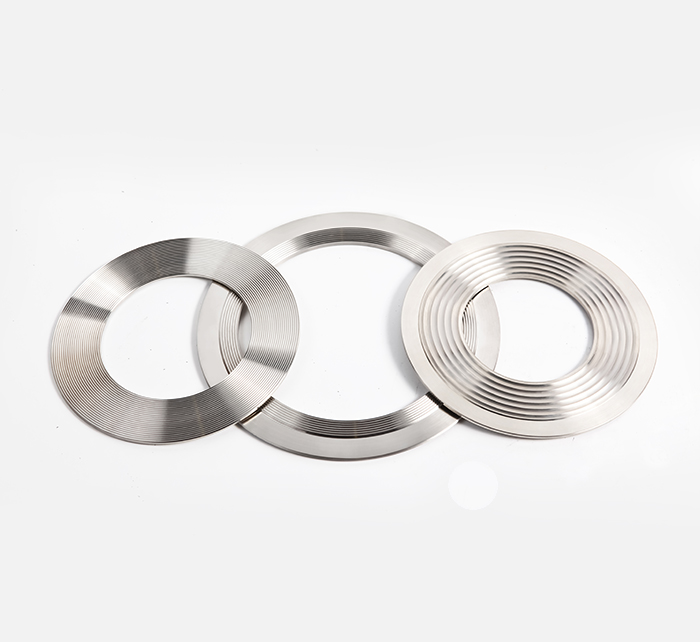
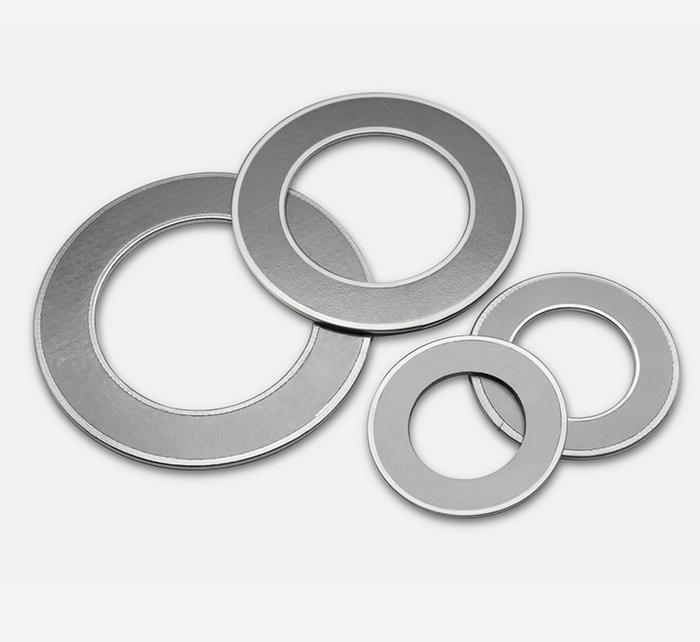
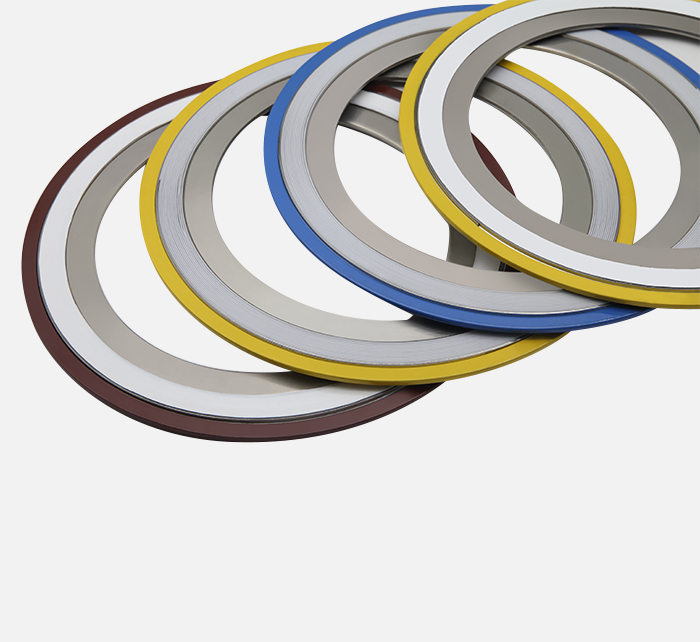
The company operates numerous production lines for sealing products, specializing in the design and manufacture of sealing gaskets and other sealing materials for the petroleum, chemical, power, shipbuilding, and machinery manufacturing sectors. Primary products include spiral wound gaskets, ring joint gaskets, kammprofile gaskets, corrugated metal gaskets, insulation kit gaskets, and non-asbestos gaskets, among others.
Rilson's clientele spans multiple regions across the globe. Through extensive experience in the industry, the company has earned the trust and recognition of customers worldwide. Rilson has obtained certifications from several prominent organizations and has successfully achieved ISO9001:2015 quality management system certification, as well as the API 6A certificate, among others.
As a professional Ring Joint Gaskets factory and manufacturer, the company is dedicated to delivering value to customers, promoting health and happiness among workers, and producing positive social impact. Rilson upholds the core principles of integrity, precision, innovation, and mutual success. With the aspiration of becoming the preferred brand in industrial gaskets, the company is committed to establishing itself as a top-tier player in the fluid sealing industry.

RILSON GASKET
Ningbo Rilson Sealing Material Co., Ltd is dedicated to ensuring the secure and dependable operation of fluid sealing systems, offering clients the appropriate sealing technology solutions.
Copyright © Ningbo Rilson Sealing Material Co., Ltd. All Rights Reserved.
