
 English
 русский
 中文简体
中文简体
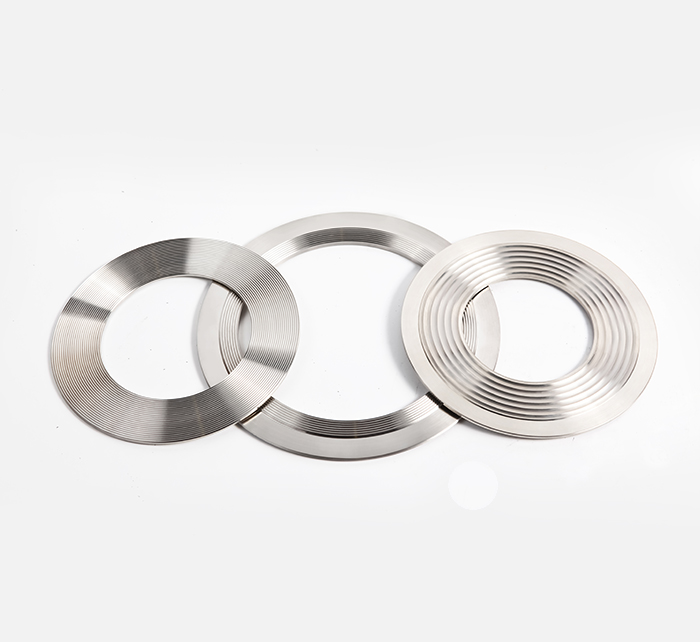
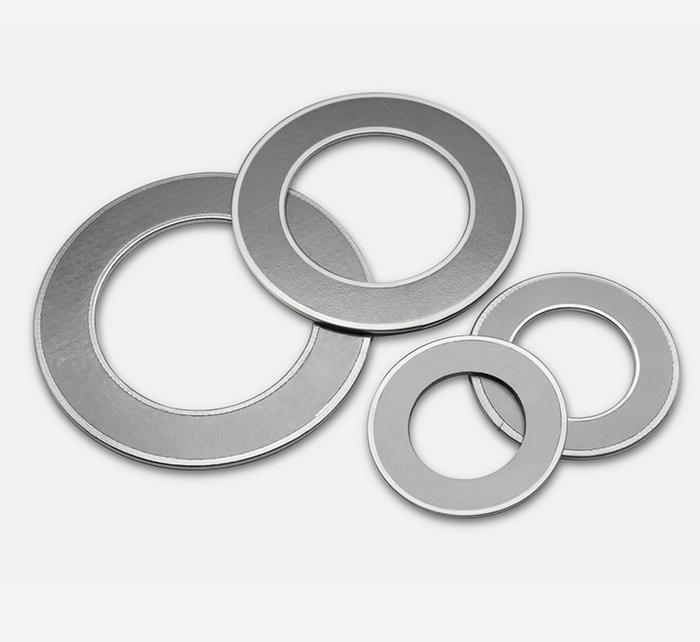
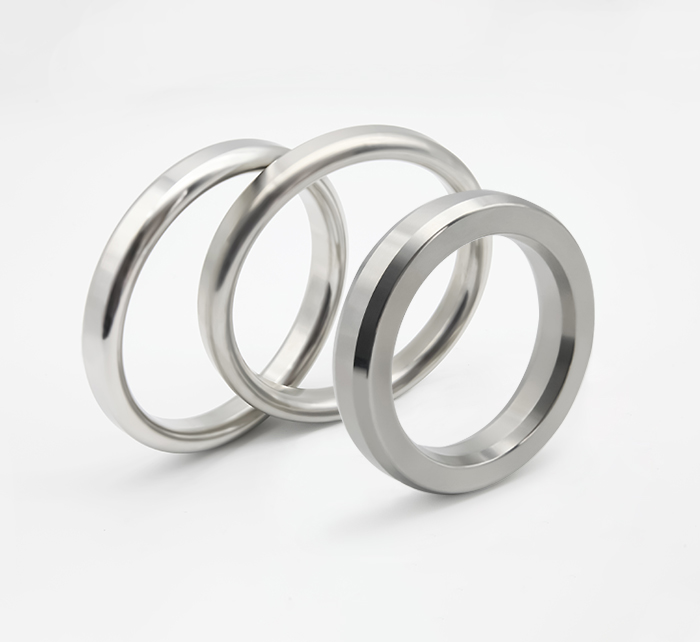
RILSON GASKET
Ningbo Rilson Sealing Material Co., Ltd is dedicated to ensuring the secure and dependable operation of fluid sealing systems, offering clients the appropriate sealing technology solutions.
Choosing the right spiral wound gasket comes down to four core factors: operating temperature, pressure rating, fluid media, and flange standard. Match these parameters correctly and you get a reliable, leak-free seal. Get them wrong and you risk catastrophic failure, costly downtime, and safety incidents. This guide gives you a practical, data-backed framework to make the right choice every time.
Content
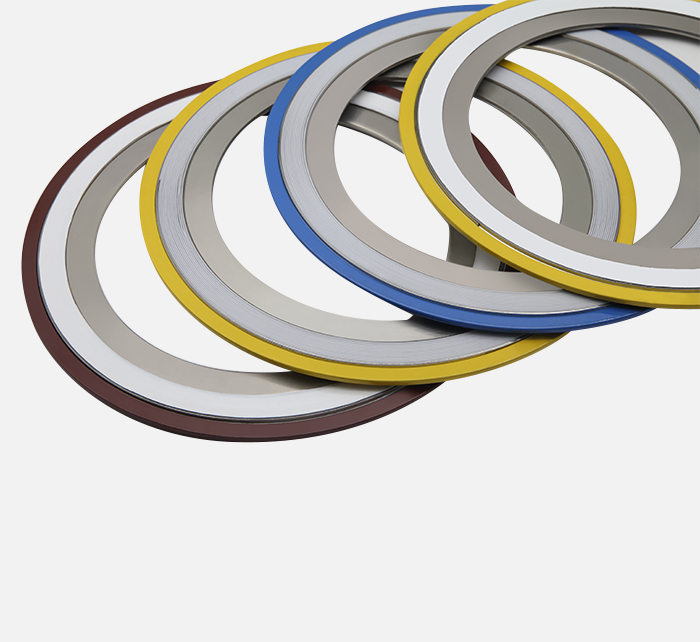
Spiral wound gaskets are semi-metallic sealing components constructed by winding a V-shaped metal strip and a soft filler material in alternating layers. The result is a gasket with exceptional resilience — it can compress under bolt load and spring back to maintain a seal under fluctuating pressure and temperature conditions.
They are the most widely used gasket type in critical industrial applications, including oil refineries, chemical processing plants, power generation facilities, and marine pipelines. Compared to flat sheet gaskets, spiral wound gaskets offer superior blowout resistance and a wider operational range — typically from -200°C to +1000°C and pressures exceeding 2500 PSI, depending on material selection.
Understanding their structure is the first step to choosing correctly:
Use this structured approach to narrow down your specification before placing an order.
Collect the following data from your process datasheet:
The metal winding must resist both mechanical stress and chemical attack. The table below summarizes common choices:
| Metal | Max Temp (°C) | Corrosion Resistance | Typical Application |
|---|---|---|---|
| 304 Stainless Steel | 650 | Good – general service | Water, steam, mild chemicals |
| 316 Stainless Steel | 700 | Better – chloride environments | Seawater, acids, chlorine |
| Inconel 625 | 1000 | Excellent – high temp oxidation | Flue gas, petrochemical reactors |
| Monel 400 | 600 | Excellent – HF acid & alkalis | Hydrofluoric acid processing |
| Titanium | 550 | Excellent – oxidizing acids | Nitric acid, chlorine dioxide |
The filler determines sealing effectiveness and chemical compatibility. Flexible graphite is the most common choice, covering roughly 70% of industrial installations due to its excellent thermal stability and compressibility. PTFE filler is preferred when sealing aggressive acids or oxygen-rich environments.
Spiral wound gaskets come in four standard configurations. Selecting the wrong style for your flange face type is a leading cause of premature seal failure.
The chart below illustrates the operational envelope of the most common spiral wound gasket filler materials across temperature and pressure ranges. This is based on ASME B16.20 standard data and field performance records.
Maximum Operating Temperature by Filler Material (°C)
Source: ASME B16.20 standard and manufacturer field data
For pressure class, ASME B16.5 defines six pressure classes for flanges: Class 150, 300, 600, 900, 1500, and 2500. Your spiral wound gasket must be specified to match the flange class. A Class 600 flange operating at 300°C with 316 SS/graphite construction, for example, can handle up to approximately 68.3 bar (990 PSI).
Different industries impose different demands. Here is a concise reference for the most common sectors:
Hydrogen sulfide (H2S) and high-pressure hydrocarbon streams are the dominant challenges. Recommended specification: 316L SS winding + flexible graphite filler + carbon steel outer ring, Style CGI. NACE MR0175 compliance is typically mandatory for sour service environments.
Chemical diversity means no single gasket fits all services. For acid service (pH below 3), use PTFE filler with Hastelloy C276 winding. For alkali service, graphite with Monel performs well. Always consult a chemical compatibility chart before finalizing.
Superheated steam at 540°C and 25 MPa is common in modern thermal power plants. Flexible graphite with 316 SS winding, Style CGI, is the industry benchmark. Ensure the inner ring is specified to prevent graphite extrusion into the flow path.
Saltwater and saline atmospheres demand superior chloride resistance. 316 SS or duplex stainless steel windings with graphite filler are standard. Inner and outer rings should also be 316 SS to prevent galvanic corrosion.
Spiral Wound Gasket Usage by Industry Sector (%)
Based on global industrial gasket consumption data
Always confirm that the spiral wound gaskets you purchase comply with relevant international standards. Non-compliant gaskets may pass initial inspection but fail under thermal cycling or pressure surges.
Always request mill test reports (MTRs) and manufacturer certificates of conformance. For regulated industries, third-party inspection and traceability documentation may be legally required.
Even a correctly specified spiral wound gasket will fail prematurely if installed improperly. The following practices are critical:
Ningbo Rilson Sealing Material Co., Ltd. was founded in 2007 and is a professional spiral wound gaskets manufacturer and supplier located in Ningbo, Zhejiang Province, China. The manufacturing facility spans across 20,000 square meters and is dedicated to ensuring the secure and dependable operation of fluid sealing systems, offering clients the appropriate sealing technology solutions.
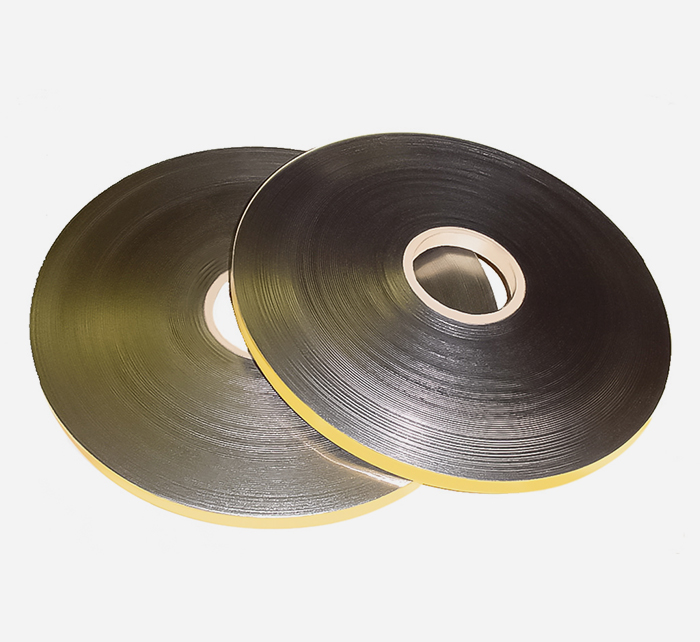
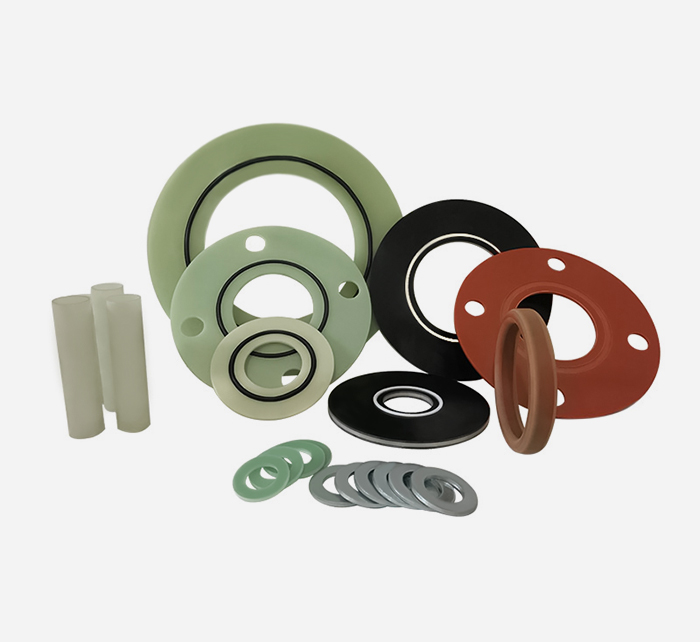
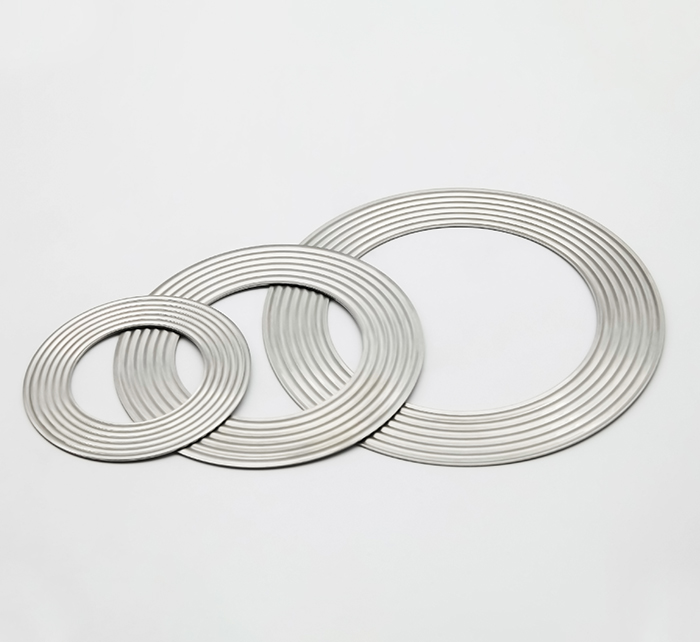
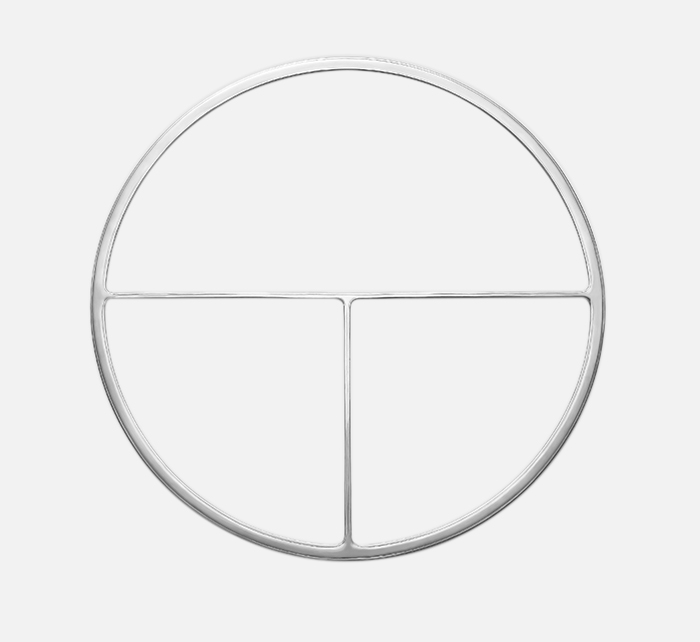
Rilson operates numerous production lines for sealing products, specializing in the design and manufacture of sealing gaskets and other sealing materials for the petroleum, chemical, power, shipbuilding, and machinery manufacturing sectors. Primary products include spiral wound gaskets, ring joint gaskets, kammprofile gaskets, corrugated metal gaskets, insulation kit gaskets, and non-asbestos gaskets, among others.
Rilson's clientele hails from various parts of the globe. Through extensive industry experience, the company has earned the trust and recognition of customers worldwide and has obtained certifications from several prominent companies. Rilson has successfully achieved ISO 9001:2015 quality management system certification and the API 6A certificate, among others.
As a professional spiral wound gaskets factory, Rilson is dedicated to delivering value to customers, promoting health and happiness among workers, and producing positive social effects. Upholding the core principles of integrity, precision, innovation, and mutual success, Rilson is committed to becoming the preferred brand in industrial gaskets and a top-tier player in the fluid sealing industry.
Q1. What is the most common spiral wound gasket material combination?
The most widely used combination is 316 stainless steel winding with flexible graphite filler. This pairing handles the majority of steam, hydrocarbon, and general chemical service applications up to 550°C and is compliant with ASME B16.20.
Q2. Can spiral wound gaskets be reused after disassembly?
No. Spiral wound gaskets should never be reused. Once the filler material has been compressed during initial bolting, it cannot recover sufficiently to provide a reliable seal on reinstallation. Always install a new gasket during each maintenance cycle.
Q3. What is the purpose of the inner ring in a spiral wound gasket?
The inner ring prevents the winding from buckling inward under high bolt load and stops filler material from being extruded into the pipe bore. It is strongly recommended for Class 900 and above, or wherever turbulence or cryogenic media is involved.
Q4. How do I know which pressure class gasket I need?
Match the gasket to the flange class stamped on your flange body (e.g., Class 150, 300, 600). The gasket must be rated for at least the same class as the flange. Refer to ASME B16.5 pressure-temperature tables to confirm suitability for your operating conditions.
Q5. Are PTFE-filled spiral wound gaskets suitable for high-temperature steam?
No. PTFE has a maximum service temperature of approximately 260°C, making it unsuitable for high-pressure steam systems. For steam applications above 260°C, flexible graphite filler is the correct choice.
Q6. What certifications should I look for when sourcing spiral wound gaskets?
At a minimum, look for ISO 9001:2015 quality management certification and compliance with ASME B16.20. For oil and gas applications, API 6A certification is critical. Always request material test reports (MTRs) and a certificate of conformance with each order.

RILSON GASKET
Ningbo Rilson Sealing Material Co., Ltd is dedicated to ensuring the secure and dependable operation of fluid sealing systems, offering clients the appropriate sealing technology solutions.
Copyright © Ningbo Rilson Sealing Material Co., Ltd. All Rights Reserved.
