
 English
 русский
 中文简体
中文简体
RILSON GASKET
Ningbo Rilson Sealing Material Co., Ltd is dedicated to ensuring the secure and dependable operation of fluid sealing systems, offering clients the appropriate sealing technology solutions.
Content
Most Heat Exchanger Gaskets need replacement somewhere between 1 and 5 years of continuous service, depending on the gasket material, operating temperature, pressure cycling, and the fluids being handled. Nitrile (NBR) gaskets in moderate-temperature water applications often require replacement closer to the 1 to 2 year mark, while EPDM and fluoroelastomer (FKM/Viton) gaskets in well-controlled systems can sometimes remain in service for 3 to 5 years or longer before showing signs of leakage.
For plants searching specifically for Plate Heat Exchanger Gasket Replacement guidance, the practical answer is to combine a scheduled inspection interval with condition-based triggers, such as visible compression set, surface cracking, or a measurable drop in thermal efficiency. The sections below walk through typical lifespan ranges by material, how operating conditions accelerate wear, and how to plan replacement intervals across different industries.
A heat exchanger gasket sits between the metal plates of a plate heat exchanger, or between flanges in shell-and-tube units, creating a seal that keeps process fluids separated and prevents leakage to the outside environment. As the gasket ages, repeated compression and thermal cycling gradually reduce its elasticity, a phenomenon known as compression set. Once compression set reaches a certain point, the gasket can no longer spring back fully when pressure is released, which allows small gaps to form along the sealing line.
These small gaps do not always cause an immediate visible leak. Instead, they often first appear as a gradual decline in heat transfer efficiency, since fluid bypassing through micro-gaps mixes streams that should remain separated, or allows a small amount of cross-contamination between hot and cold circuits. This is why a Plate Heat Exchanger Gasket in marginal condition can sometimes be overlooked until efficiency losses or minor leaks become noticeable during routine monitoring.
Gasket material has one of the largest effects on how long a seal can remain in service before replacement. The horizontal bar chart below shows representative service life ranges for four commonly used elastomer materials in plate heat exchanger applications. These figures assume moderate operating conditions and regular inspection, and actual service life can vary based on temperature extremes, chemical exposure, and cycling frequency.
As the chart illustrates, NBR gaskets generally have the shortest service life among common elastomer options, which is why they are often selected for systems with lower temperatures and simpler maintenance routines. EPDM strikes a balance suitable for many water and steam applications, while FKM and PTFE-faced options are typically chosen for systems handling more aggressive chemicals or higher operating temperatures, where extending the interval between Heat Exchanger Gasket Replacement events provides a meaningful operational benefit.
Gasket sealing efficiency does not drop suddenly; it tends to decline gradually as the material undergoes repeated compression cycles and thermal expansion and contraction. The line chart below shows a representative decline in sealing efficiency over five years of service under typical operating conditions. While the curve is illustrative rather than a measurement of any specific gasket, it reflects the general pattern observed across many elastomer seal applications.
In this representative pattern, sealing efficiency drops only slightly during the first one to two years, then begins to decline more noticeably as compression set accumulates. By around year four or five, efficiency in this example has fallen close to the 75 to 80 percent range, which is often the point where many maintenance teams schedule a planned Heat Exchanger Gasket Replacement rather than waiting for a leak to develop. Tracking heat transfer performance over time, even with simple temperature readings before and after the exchanger, can help identify this gradual decline before it becomes an operational issue.
The recommended interval for gasket replacement is not the same across every industry, since process fluids, temperatures, and cleaning frequency all differ significantly. The column chart below presents representative replacement intervals, measured in months, across several common industries that rely on plate heat exchangers for thermal processes.
Food and beverage applications often call for shorter intervals around 12 months, since frequent cleaning cycles and hygiene requirements place additional stress on gasket materials. District heating systems, by contrast, often operate with more stable water-based fluids and fewer aggressive cleaning chemicals, allowing intervals closer to 36 months in many cases. Chemical processing and power generation typically fall in between, with intervals shaped by the specific media and temperature profile of each process line.
EPDM and FKM are two of the most widely used elastomers for plate heat exchanger gaskets, and each has strengths suited to different operating environments. EPDM generally performs well with hot water, steam, and many cleaning agents, making it a common choice for HVAC, food processing, and general industrial water systems. FKM, on the other hand, offers stronger resistance to oils, fuels, and a wider range of chemicals, which makes it a frequent choice for chemical processing and certain petroleum-related applications.
The radar chart below compares EPDM and FKM across six performance dimensions relevant to gasket selection. As shown, EPDM tends to score higher on steam resistance and flexibility, while FKM generally scores higher on chemical resistance and temperature resistance. Compression set recovery and overall durability are relatively close between the two materials, though the right choice ultimately depends on the specific fluids and temperatures involved in a given system.
When selecting between these two materials, it is useful to map the gasket's expected exposure against this chart: systems with frequent steam contact or water-based cleaning cycles often align well with EPDM, while systems exposed to oils, fuels, or a broader range of chemicals tend to align better with FKM. Many Heat Exchanger Gaskets Manufacturers can provide both options within the same plate footprint, allowing facilities to switch materials during a scheduled Plate Heat Exchanger Gasket Replacement without changing the plate pack itself.
Beyond scheduled intervals, several physical signs can indicate that a gasket is approaching the end of its service life. Recognizing these signs early can help plan a replacement during a routine maintenance window rather than during an unplanned shutdown.
When any of these signs appear, it is generally advisable to inspect the full plate pack rather than replacing only the most visibly affected gasket, since gaskets installed at the same time tend to age at a similar rate. A complete gasket set replacement during a single maintenance window can also reduce the frequency of repeat shutdowns for the same plate heat exchanger.
Keeping a small inventory of Plate Heat Exchanger Spare Parts, including a complete gasket set matched to the specific plate model, can reduce downtime significantly when a scheduled or unplanned replacement becomes necessary. Because gasket profiles are specific to each plate design, having the correct gasket on hand avoids delays that can occur when parts need to be sourced after a shutdown has already begun.
| Maintenance Task | Suggested Frequency | Purpose |
|---|---|---|
| Visual gasket inspection | Every 6 months | Identify cracking, hardening, or swelling early |
| Heat transfer efficiency check | Every 3 to 6 months | Detect gradual performance decline |
| Full gasket set replacement | Per material lifespan or condition triggers | Restore sealing performance across plate pack |
| Spare parts inventory review | Annually | Ensure correct gasket profiles are on hand |
When sourcing replacement gaskets, working with an experienced Heat Exchanger Gasket Manufacturer can help ensure that gasket profiles, materials, and dimensions match the original plate design closely. This is particularly important because even small differences in groove depth or material thickness can affect how well a gasket seals once the plate pack is tightened back to its specified compression.
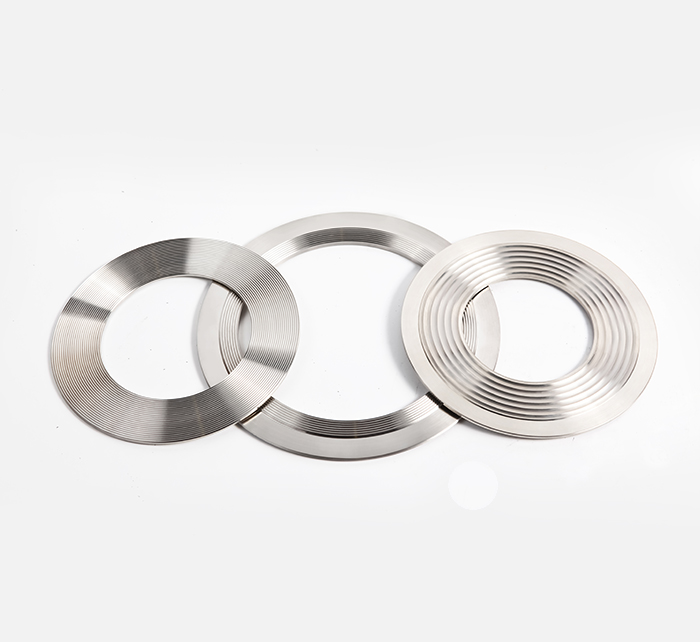
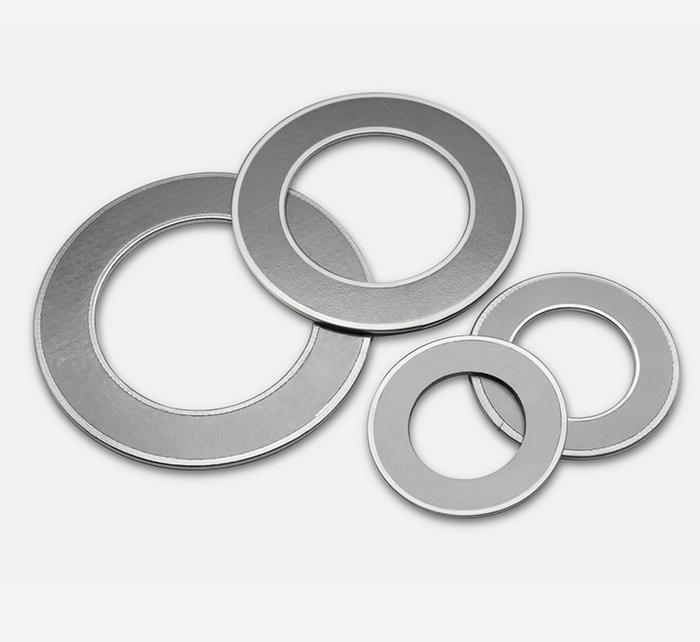
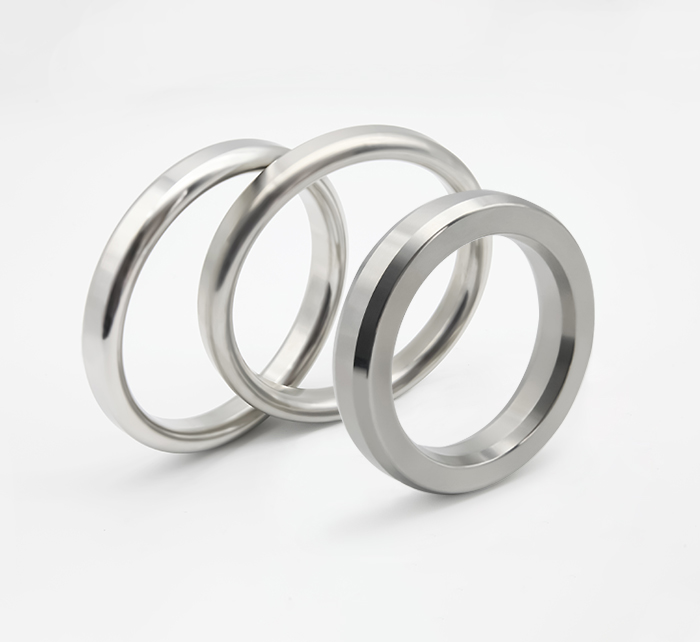
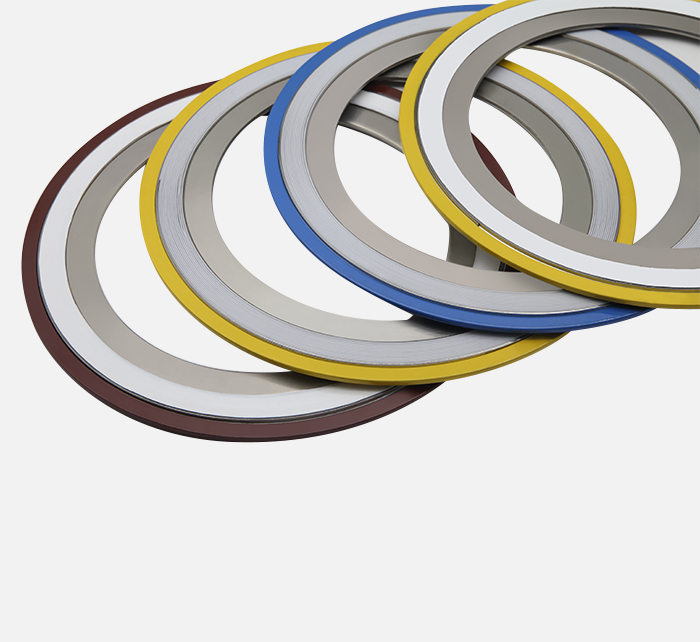
Ningbo Rilson Sealing Material Co., Ltd., founded in 2007 and based in Ningbo, Zhejiang Province, operates a manufacturing facility spanning 20,000 square meters dedicated to fluid sealing products. The company runs multiple production lines focused on sealing gaskets and related materials for the petroleum, chemical, power, shipbuilding, and machinery manufacturing sectors. Its product range includes spiral wound gaskets, ring joint gaskets, kammprofile gaskets, corrugated metal gaskets, insulation kit gaskets, and non-asbestos gaskets, alongside heat exchanger gasket products.
The company has obtained ISO9001:2015 quality management system certification as well as API 6A certification, which reflects an established quality control process across its production lines. For facilities evaluating Heat Exchanger Gaskets Manufacturers for ongoing spare parts supply, reviewing certification status alongside material options and dimensional accuracy can help support consistent results across repeated gasket replacements.
Q1: What are heat exchanger gaskets?Heat exchanger gaskets are sealing components placed between the plates or flanges of a heat exchanger to prevent fluid leakage and keep separate process streams from mixing. |
Q2: What is the purpose of a heat exchanger gasket?Its main purpose is to create a tight seal under compression so that hot and cold fluid circuits remain separated and contained within their designated flow channels. |
Q3: How do heat exchanger gaskets work?The gasket is compressed between plates when the heat exchanger is assembled and tightened. This compression fills surface irregularities and forms a barrier that fluids cannot pass through under normal operating pressure. |
Q4: What materials are heat exchanger gaskets made from?Common materials include NBR, EPDM, FKM (Viton), and PTFE-faced elastomers, each selected based on temperature range, chemical exposure, and the type of fluids in the system. |
Q5: How long do heat exchanger gaskets last?Service life typically ranges from 1 to 8 years depending on material and operating conditions, with NBR on the shorter end and FKM or PTFE-faced gaskets on the longer end. |
Q6: How can I tell if a gasket needs replacing?Look for cracking, hardening, permanent compression marks, discoloration, or a gradual drop in heat transfer efficiency between the hot and cold circuits. |
Q7: Should all gaskets in a plate pack be replaced together?Since gaskets installed at the same time tend to age similarly, replacing the full set during one maintenance window is generally more efficient than replacing individual gaskets repeatedly. |
Q8: Can gasket replacement be done without disassembling the entire unit?Plate heat exchangers are generally designed for the plate pack to be opened for gasket access without removing the entire unit from its piping connections, simplifying scheduled maintenance. |

RILSON GASKET
Ningbo Rilson Sealing Material Co., Ltd is dedicated to ensuring the secure and dependable operation of fluid sealing systems, offering clients the appropriate sealing technology solutions.
Copyright © Ningbo Rilson Sealing Material Co., Ltd. All Rights Reserved.
