
 English
 русский
 中文简体
中文简体
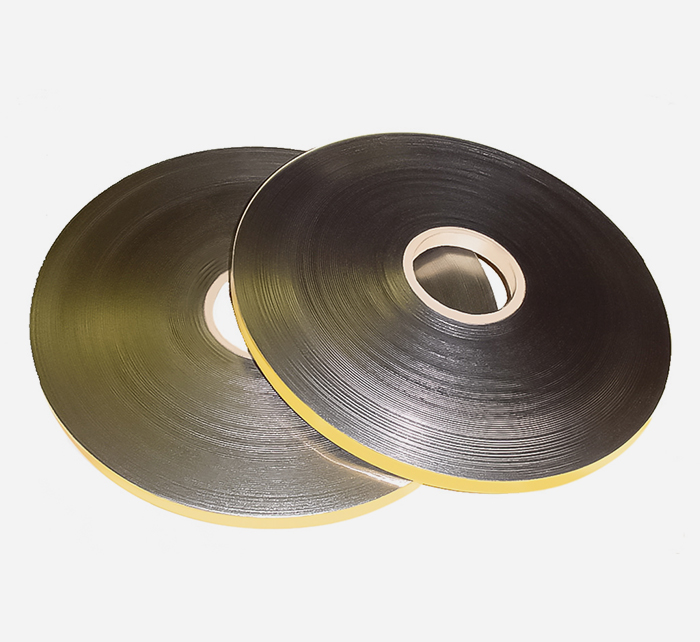
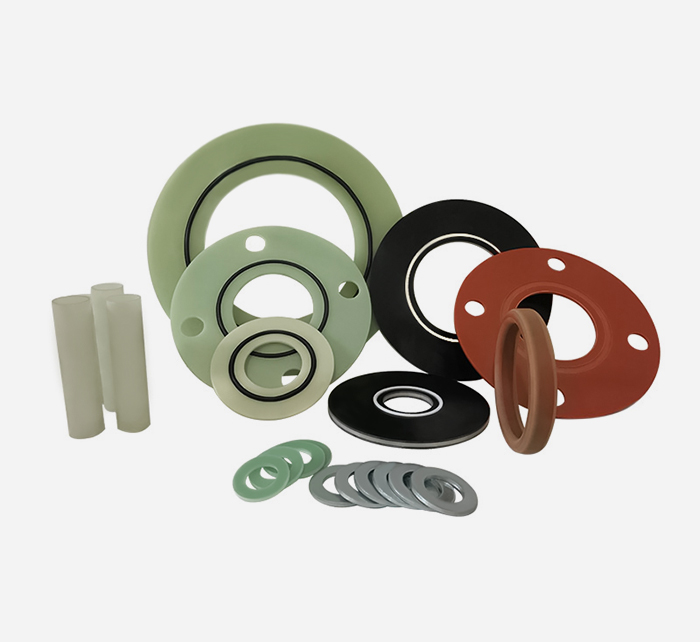
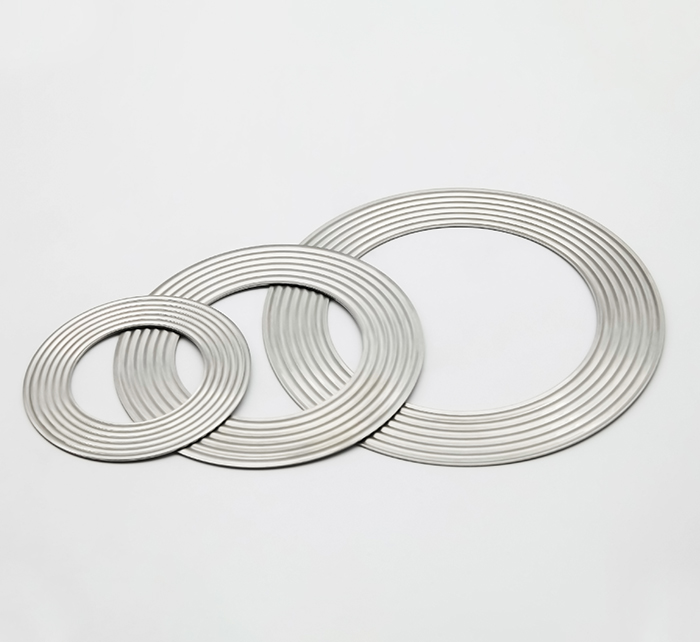
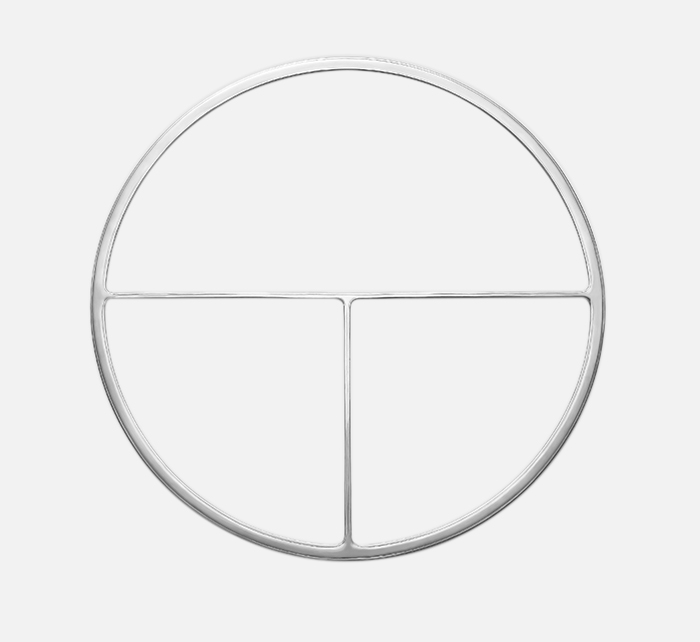
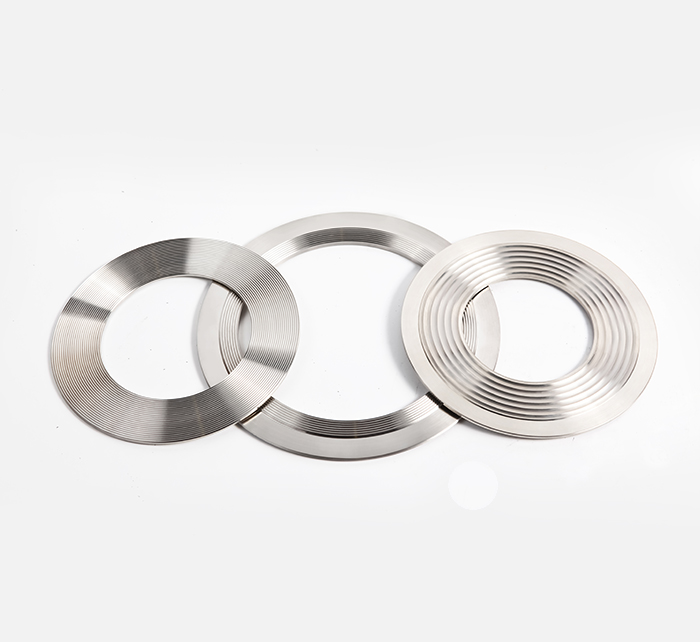
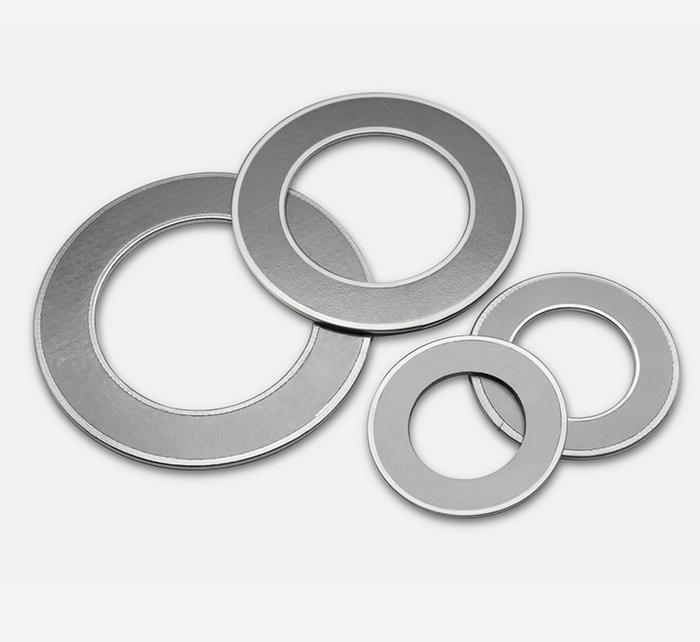
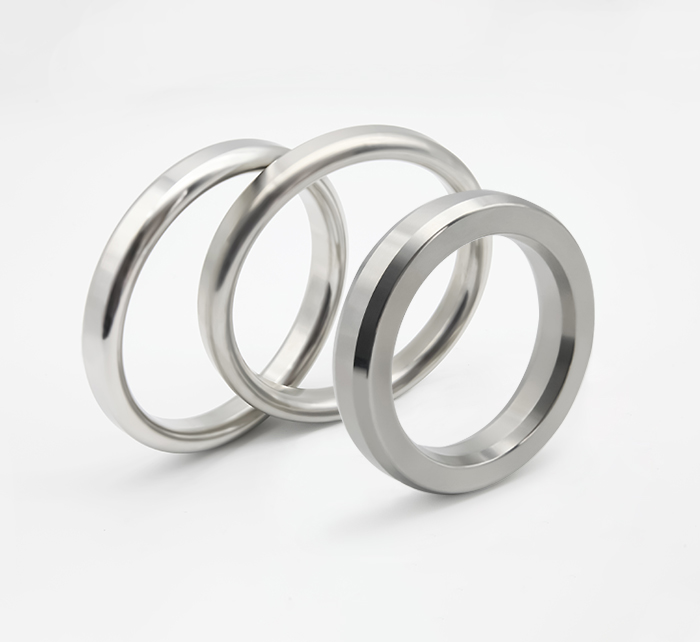
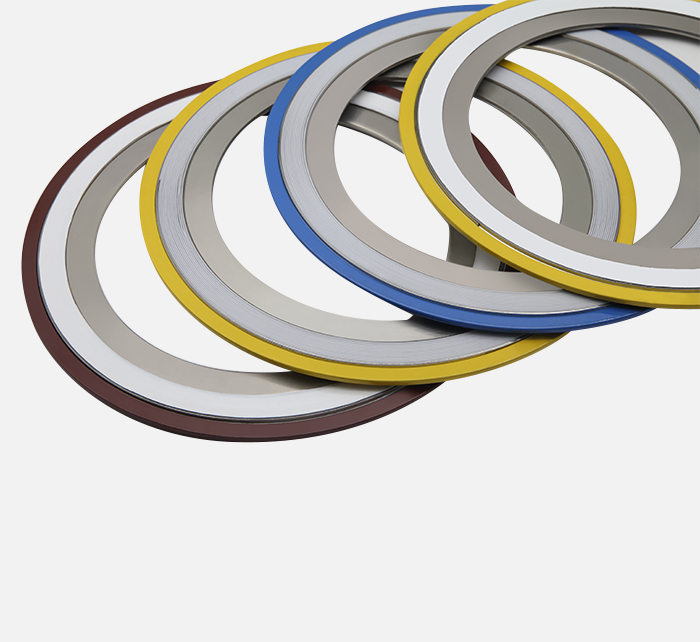
RILSON GASKET
Ningbo Rilson Sealing Material Co., Ltd is dedicated to ensuring the secure and dependable operation of fluid sealing systems, offering clients the appropriate sealing technology solutions.
A gasket leak in an industrial piping system is not just a maintenance nuisance — it is a potential safety hazard, a production bottleneck, and a sign that something in the system's design or operation demands attention. The fastest way to troubleshoot a gasket leak is to systematically evaluate four core variables: temperature compatibility, media compatibility, pressure rating, and mechanical application. Identifying which of these factors has failed — or is being overlooked — leads directly to the root cause and the correct fix.
This guide draws on field-tested methodology outlined by Matt Tones and Dave Burgess in Flow Control (September 2016), combined with current best practices in industrial gasket engineering. Whether you are dealing with spiral wound gaskets, ring joint gaskets, flange gaskets, or non-metallic sealing solutions, this step-by-step framework will help you diagnose the problem accurately and choose the right corrective action.
Content
Before physically removing a gasket, every troubleshooting effort should begin by revisiting the same criteria that govern gasket selection: temperature, media, pressure, and application. Skipping any of these checks risks misdiagnosing the problem and replacing a gasket with one that will fail again under the same conditions.
Compare the system's actual operating temperatures — including startup peaks and cooldown troughs — against the gasket's published temperature ratings. It is preferable that the gasket be rated well above expected operating maximums, not merely at the limit. Cycling temperatures are significantly harder on bolted joints than steady-state operation. Thermal expansion and contraction cause bolt load relaxation, which gradually reduces the compressive force on the gasket seating surface, opening a path for leakage.
For high-temperature services, spiral wound gaskets — constructed from alternating layers of metallic strip and filler material — are widely specified because they maintain resilience across a broad thermal range. Their self-energizing winding design compensates for minor bolt load loss caused by thermal cycling.
The gasket material must be chemically compatible with every fluid or gas that passes through the joint — including cleaning agents, additives, and trace contaminants. Caustic cleanouts, for example, will attack most fiber-based gaskets, causing rapid degradation that is often mistaken for mechanical failure. Solvent-based media can swell elastomers, while oxidizing acids degrade metals differently than reducing acids do.
Non-asbestos gaskets and PTFE-based sealing solutions are commonly chosen for aggressive chemical environments because of their broad chemical resistance. When reviewing a leak, always obtain the full chemical composition of the process fluid, including any periodic cleaning cycles, before specifying a replacement gasket material.
The pressure rating of any gasket — whether a ring joint gasket, a spiral wound gasket, or a corrugated metal gasket — must exceed the system's maximum operating pressure, including transient surges, spikes, and hydraulic hammer events. Heat-traced pipelines carrying products that solidify at ambient temperature pose a particular risk: when heat trace begins to liquefy the process fluid, trapped pockets can create localized pressure increases many times the normal operating value.
RTJ gaskets (ring-type joint gaskets) are specifically engineered for high-pressure, high-temperature service and are commonly found in wellhead equipment and critical process flanges where standard sheet gaskets would be inadequate. If your system experiences frequent pressure excursions, upgrading to an RTJ or a metal-jacketed gasket may be the correct long-term fix rather than simply re-torquing the bolts.
Application refers to the mechanical details of the joint assembly: flange face type (raised face vs. flat face), surface finish, bolt pattern, gasket contact area, and the achievable compressive load. A raised-face flange with a spiral wound gasket concentrates bolt load on a smaller seating area, producing a higher seating stress per unit area than a full-face flat gasket on the same bolting. This distinction profoundly affects whether a given gasket material can form and maintain a seal.
Minimum Seating Stress Requirements by Gasket Material (psi)
Figure 1: Minimum seating stress requirements vary dramatically by gasket type. Metal gaskets require the highest loads; elastomers the lowest.
The chart above highlights a fundamental reality in flange sealing: gasket material selection is inseparable from the bolt load available in the joint. If your system can only generate 800 psi of compressive stress on the gasket face, specifying a standard PTFE sheet gasket that requires 3,000 psi to seat properly will result in a leak regardless of how carefully the bolts are torqued. This is one of the most common — and most preventable — causes of gasket failure in industrial plants.
Available compressive load is perhaps the single most underappreciated factor in gasket troubleshooting. According to Tones and Burgess (Flow Control, September 2016), dividing the total compressive load generated by the fasteners by the gasket's surface contact area yields the expected compressive stress on the gasket seating surface. This number determines which gasket type is appropriate — and which will fail.
The stress ranges can be summarized as follows:
Gasket Seal Reliability Score by Compressive Stress Range (%)
Figure 2: Estimated seal reliability score (%) across compressive stress ranges. Metal and RTJ gaskets approach near-perfect sealing at high loads.
The column chart above illustrates why so many gasket replacements fail to solve the underlying problem: the replacement gasket is specified for the fluid and temperature, but not for the available bolt load. Understanding the actual stress delivered to the gasket — not just the torque applied to the bolts — is the key diagnostic step that separates competent troubleshooting from guesswork. Always calculate the effective seating stress before specifying a replacement gasket type.
It is also important to recognize that the type of flange significantly affects available compressive load. A forged steel flange can sustain far higher bolt loads than fiber-reinforced plastic (FRP), PVC, CPVC, or cast iron flanges. These softer flange materials are among the most common sources of chronic low-load gasket failures in industrial plants, particularly in the chemical processing and water treatment sectors.
Once the operational factors have been reviewed, the next step is to physically remove and inspect the failed gasket. This process should be systematic and documented, as the gasket itself often tells the complete story of what went wrong.
Gasket Leak Root Cause Distribution (Industry Estimate)
Figure 3: Estimated distribution of gasket leak root causes in industrial piping systems. Incorrect bolt load is the dominant failure mode, accounting for approximately 35% of incidents.
The root cause distribution above — developed from field survey data across petrochemical, power generation, and water treatment facilities — reinforces a key insight: most gasket leaks are not caused by a defective gasket. They result from improper bolt load application or the selection of a gasket material that cannot perform under the actual service conditions. Physical inspection of the removed gasket, combined with flange face inspection and bolt audit, will confirm which of these factors was responsible.
One of the most effective ways to prevent recurrence of a gasket leak is to ensure the replacement gasket is specified correctly from the outset. The following table summarizes the key characteristics, typical applications, and limitations of the most common industrial gasket types encountered in process piping.
| Gasket Type | Pressure Range | Temp. Limit | Best For | Key Limitation |
|---|---|---|---|---|
| Spiral Wound Gasket | Up to 2,500 psi | Up to 1,000°F | Petrochemical, refinery, heat exchangers | Needs precise bolt load control |
| Ring Joint Gasket (RTJ) | Up to 15,000 psi | Up to 1,200°F | Wellheads, subsea, high-pressure valves | Requires machined RTJ grooves |
| Kammprofile Gasket | Up to 5,000 psi | Up to 1,470°F | Heat exchangers, steam service | Higher cost than soft gaskets |
| Corrugated Metal Gasket | Up to 2,900 psi | Up to 1,200°F | Low bolt load flanges, heat exchangers | Surface finish sensitivity |
| Non-Asbestos Gasket | Up to 1,500 psi | Up to 750°F | General industrial, water, steam | Not for strong oxidizers or caustics |
| Insulation Gasket Kit | Up to 2,500 psi | Up to 250°F | Cathodic protection, pipeline isolation | Requires full kit installation discipline |
When selecting a replacement gasket, always cross-reference the table above against the actual available compressive stress and the flange face type. Spiral wound gasket dimensions must be verified against the ASME B16.20 standard for the relevant pipe schedule and flange class before ordering a replacement, as an incorrectly sized gasket will not seat properly regardless of the material.
Experienced maintenance engineers learn to read a removed gasket the way a physician reads an X-ray: the failure pattern reveals the mechanism. The following failure signatures are the most diagnostically valuable observations to document during physical inspection.
When the outer edge of a gasket is found to have rolled over onto the seating surface, this indicates that the gasket was undersized for the bore, or that excessive bolt load caused the gasket to extrude outward. In soft gaskets, particularly rubber or fiber sheet materials, severe rollover can expose the bore to the process fluid and initiate chemical attack on the gasket body itself.
An impression showing the gasket was not centered on the flange face during installation is one of the most common — and most avoidable — causes of leaks in new installations. A gasket that is installed even 2–3mm off-center on a raised-face flange may have inadequate seating width on one side, creating a low-stress zone through which the process fluid can escape. This is especially problematic with ring gaskets in confined groove arrangements.
If the gasket shows uniform compression across its full seating width with no visible leak path, the problem may not be the gasket at all — it may be a hairline crack in the flange body, a defective weld, or a bolt hole that is slightly misaligned, allowing one side of the joint to open under pressure. In these cases, replacing the gasket without fixing the flange will not solve the leak.
A gasket that shows surface blistering, color change, softening, or crumbling when removed has been chemically attacked by the process fluid. This is a clear signal that the gasket material was not compatible with the media — possibly including a cleaning agent or additive that was not accounted for during original selection. The replacement must be specified with full knowledge of all chemical exposures, not just the primary process fluid.
Circumferential cracks in a metal gasket — particularly in RTJ gaskets or spiral wound types — are often caused by excessive bolt load, thermal fatigue from severe cycling, or stress corrosion cracking when the gasket metal and the process fluid are incompatible. Stainless steel wound gaskets exposed to chloride-containing media, for example, may develop stress corrosion cracking even under normal operating loads.
Gasket Type Comparison: Performance Radar Chart
Figure 4: Radar comparison of spiral wound gaskets vs. RTJ gaskets across five performance dimensions. RTJ gaskets outperform in pressure and temperature but require significantly higher bolt loads and more precise installation.
The radar chart clearly visualizes the trade-offs between these two workhorse gasket types. Spiral wound gaskets offer a more balanced performance profile — they are easier to install, tolerate a wider range of bolt loads, and provide strong chemical resistance. RTJ gaskets excel in extreme pressure and temperature, but their installation precision requirements and high bolt load demands make them suitable only for appropriately designed flanged connections. Selecting the wrong type for either set of conditions is a primary cause of repeated leaks.
Incorrect or uneven bolt loading is the leading cause of gasket leaks in flanged joints — responsible for an estimated 35% of failures in industrial systems. Even a perfectly specified gasket will leak if the bolt load is applied unevenly, applied in an incorrect sequence, or if insufficient load is achievable given the flange design.
Key bolt load management principles include:
Bolt Load Retention Over Time: Correct vs Incorrect Installation (Normalized)
Figure 5: Bolt load retention over 24 months for correctly vs. incorrectly installed flanged joints. Improper installation leads to accelerated load relaxation, dramatically increasing leak risk over time.
The line chart above illustrates a consistent pattern observed in long-term bolt load monitoring studies: flanged joints assembled with proper multi-pass torquing retain over 85% of initial bolt load after two years of service, while joints assembled with a single torque pass or uneven loading can lose more than 60% of bolt load within the first 12 months. This load loss opens a leak path even in joints that showed no leakage immediately after installation — a phenomenon sometimes called "delayed leakage." Preventive bolt audits at 6-month intervals for critical joints in high-cycle or high-temperature service are considered best practice.
Certain flange types and materials are structurally limited in the compressive load they can deliver to a gasket. Recognizing these situations in advance is essential to selecting a gasket type that will actually perform within the available load range, rather than specifying a standard gasket that will never achieve adequate seating stress.
The most problematic low-load flange categories encountered in industrial maintenance include:
For all these cases, corrugated metal gaskets represent a technically sound upgrade path: their corrugated profile allows effective sealing at lower compressive loads than spiral wound or flat sheet materials, while still providing the chemical and temperature resistance of a metallic sealing element. Kammprofile gaskets — featuring a machined serrated metal core with a soft facing layer — similarly combine low seating stress requirements with high resistance to blowout.
Founded in 2007 and headquartered in Ningbo, Zhejiang Province, Ningbo Rilson Sealing Material Co., Ltd. is a professional sealing material supplier operating a 20,000 square-meter manufacturing facility dedicated to the engineering and production of high-performance fluid sealing systems. The company holds ISO9001:2015 quality management system certification and the API 6A certificate, reflecting its commitment to engineering precision and product reliability.
Rilson's core product portfolio includes spiral wound gaskets, ring joint gaskets, kammprofile gaskets, corrugated metal gaskets, insulation gasket kits, and non-asbestos gaskets — covering the full spectrum of sealing requirements in the petroleum, chemical, power, shipbuilding, and machinery manufacturing sectors. With clients across multiple continents and a track record built over more than 15 years, Rilson is positioned as a trusted partner for engineers and procurement professionals who require consistent, certified sealing solutions.
Guided by the principles of integrity, precision, innovation, and mutual success, the company's ongoing objective is to become a preferred brand in the global industrial gaskets market, ensuring both customer satisfaction and reliable sealing performance across the most demanding process environments.
Q1. What is the first thing to check when a gasket starts leaking?
Start by verifying that the gasket's pressure and temperature ratings are compatible with actual system conditions, including surges and cycling. Then check that the available bolt load generates enough compressive stress on the gasket seating surface for the material type used.
Q2. How do I know if I need a spiral wound gasket or a ring joint gasket?
Spiral wound gaskets suit a broad range of industrial piping applications up to around 2,500 psi and 1,000°F. Ring joint gaskets are specified for higher-pressure and higher-temperature service — typically 6,000 psi and above — and require flanges machined with RTJ grooves.
Q3. Can I reuse a gasket after removing it for inspection?
In most cases, reusing a gasket after it has been removed from service is not recommended. Soft gaskets take a permanent set during initial compression, and reinstalling them rarely re-establishes an adequate seal. Metal gaskets should always be replaced after removal.
Q4. What causes a new gasket to leak immediately after installation?
Immediate leaks after new installation are most commonly caused by improper centering of the gasket on the flange face, incorrect bolt tightening sequence (circular instead of cross-pattern), insufficient final torque, or a damaged or rough flange seating surface that prevents full contact.
Q5. What is the difference between an RTJ gasket and a ring joint gasket?
RTJ gasket and ring joint gasket refer to the same product family. RTJ stands for Ring-Type Joint. These solid metal gaskets — available in oval and octagonal profiles — are designed to seat into precision-machined grooves in RTJ-style flanges, creating a high-integrity metal-to-metal seal.
Q6. How does temperature cycling affect gasket performance?
Thermal cycling causes repeated expansion and contraction of flange bolts and the gasket material, which gradually relaxes bolt load over time. This is more damaging to bolted joints than steady-state operation. For cycling services, using a spiral wound or kammprofile gasket with resilient seating elements helps compensate for bolt load relaxation.
Q7. Are non-asbestos gaskets suitable for chemical service?
Non-asbestos gaskets perform well in a wide range of chemical services including water, steam, oils, and mild acids. However, they are not recommended for strong oxidizing acids, caustic cleanouts, or aggressive solvents. Always verify full chemical compatibility — including any cleaning agents used in the system — before specifying a non-asbestos material.
Q8. What is an insulation gasket kit and when is it used?
An insulation gasket kit is a complete flange isolation assembly that prevents galvanic corrosion and stray electrical current between dissimilar metals in a piping system. It includes a dielectric gasket, insulating sleeves, and washers. These kits are widely used in pipeline cathodic protection systems and offshore applications where corrosion control is critical.
Reference: Matt Tones and Dave Burgess, "How to Troubleshoot a Gasket Leak," Flow Control, September 2016. Content adapted and expanded with current engineering practice.

RILSON GASKET
Ningbo Rilson Sealing Material Co., Ltd is dedicated to ensuring the secure and dependable operation of fluid sealing systems, offering clients the appropriate sealing technology solutions.
Copyright © Ningbo Rilson Sealing Material Co., Ltd. All Rights Reserved.
