
 English
 русский
 中文简体

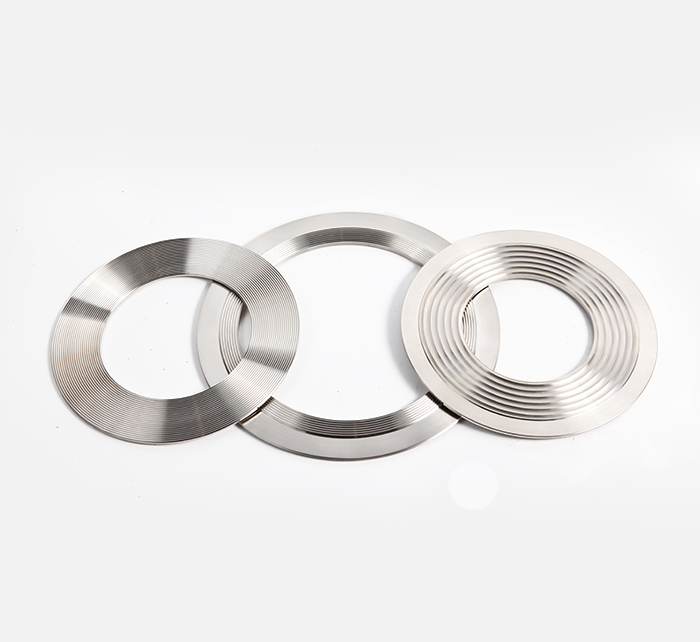
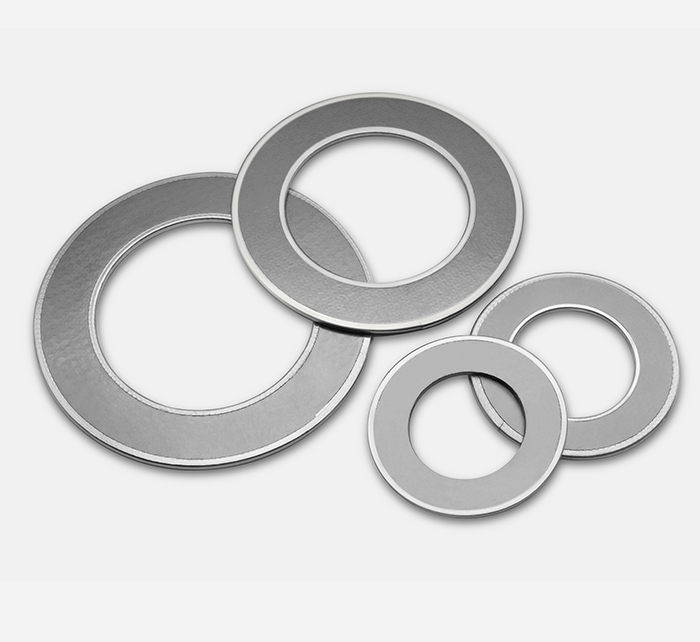
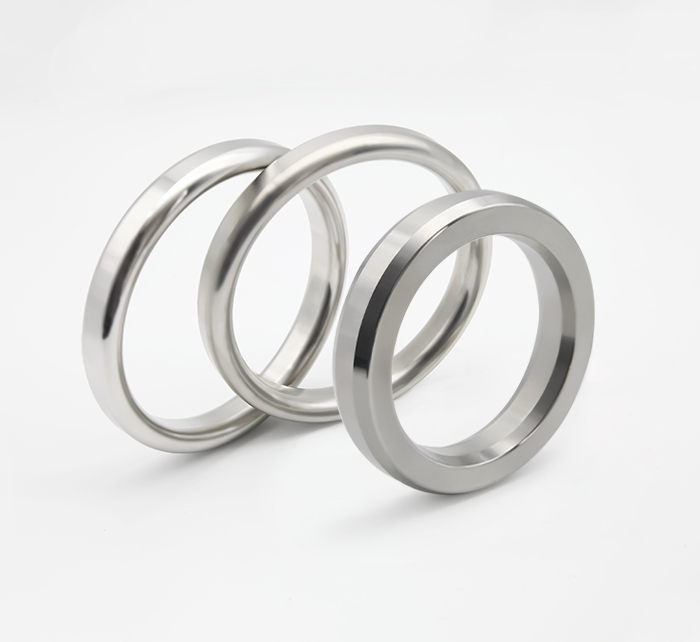
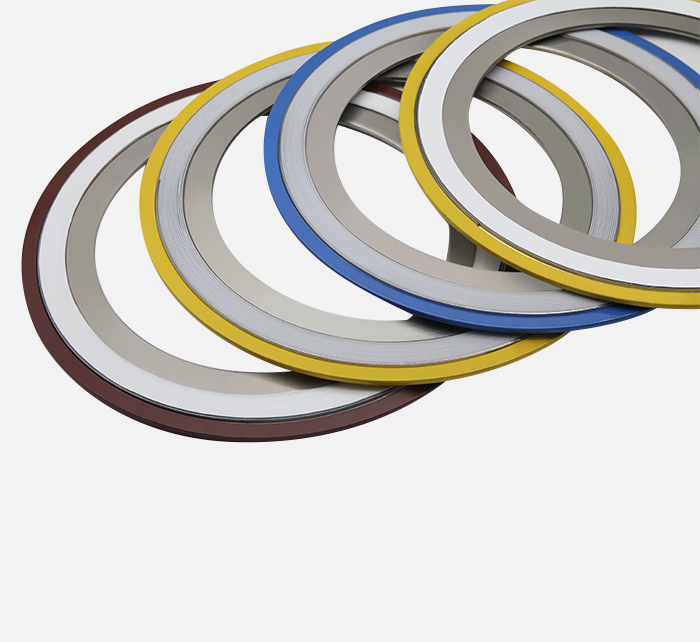
RILSON GASKET
Ningbo Rilson Sealing Material Co., Ltd is dedicated to ensuring the secure and dependable operation of fluid sealing systems, offering clients the appropriate sealing technology solutions.
A maintenance crew had four hours to close a leaking DN100 Class 150 steam line. The store room sent out a full-face gasket, the bolt holes lined up perfectly, and the joint passed a cold water test. Two hours after warm-up it was weeping again at roughly 8 bar. The material was correct and the torque wrench had been calibrated that morning. The gasket had simply been laid across a 1.6 mm raised face it was never designed to bridge, so the bolts loaded the outer rim of the flange instead of the sealing face.
The rule that prevents this is short: choose the gasket by flange facing, not by pipe size or pressure class. Full-face gaskets are made for flat-face flanges. Ring gaskets are made for raised-face and tongue-and-groove flanges. Bolt torque, gasket thickness, material and price all follow from that first decision.
The comparison below covers the points that actually decide a purchase order: contact area, bolt load, facing compatibility, corrosion exposure and the failure modes that show up most often in sealing enquiries from refineries, chemical plants and power stations.
Content
If you only have thirty seconds before a quotation deadline, this table is the short answer. Everything after it explains the consequences behind each row.
| Point of comparison | Full-face gasket | Ring gasket (flat ring) |
|---|---|---|
| Contact area | Whole flange face, from bore to outside diameter | Sealing face only, inside the bolt circle |
| Bolt holes | Punched through the gasket; bolts pass through it | None; bolts sit outside the gasket |
| Matching flange facing | Flat face (FF), including cast iron, bronze and FRP flanges | Raised face (RF), tongue-and-groove, male-and-female |
| Bolt load needed | Higher, because load is spread over a much larger area | Lower, because the same load acts on a narrow band |
| Flange face protection | Full coverage; no exposed annulus for crevice corrosion | Annulus between gasket OD and bolts stays exposed to the medium |
| Typical duty | Utility water, air, low-pressure steam, plastic and lined piping, insulating kits | Process piping from Class 150 upward, higher temperature and pressure |
| Centring | Self-locating through the bolt holes | Must be centred by hand before bolts are tightened |
Half of the confusion in a purchase email is linguistic. "Ring gasket" can mean two very different products:
The distinction matters because the two are not interchangeable and rarely share a price bracket. Above Class 900, or wherever sheet material would creep under thermal cycling, the conversation shifts from flat rings to ring joint gaskets, groove numbers and hardness limits.
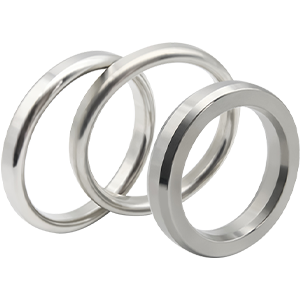 Ring Joint Gaskets for High-Pressure Flanged ServiceMetallic RTJ gaskets for high-pressure and high-temperature flanges, made to API 6A, API 17D and ASME B16.20 in R, RX, BX and other styles.View Product →
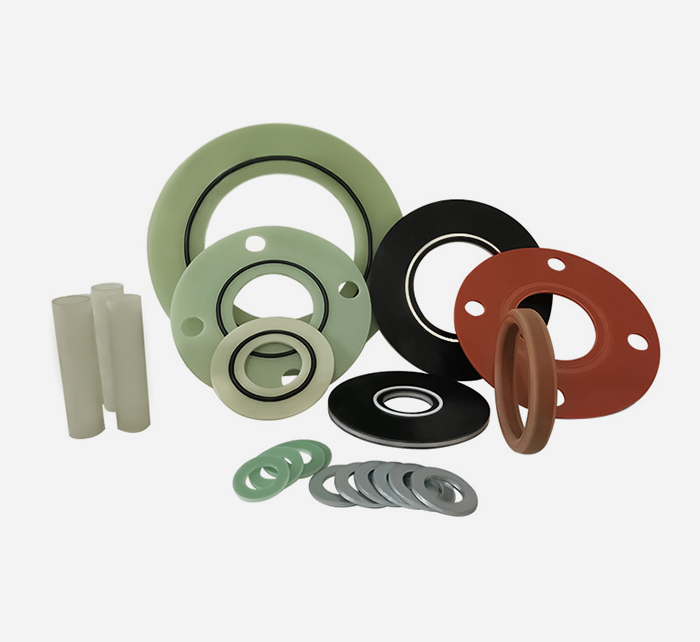
A full-face gasket is shaped like the flange itself: same outside diameter, bore in the middle, bolt holes punched through. Because the bolts pass through the gasket, the clamping force is delivered across the entire face, inside and outside the bolt circle.
A ring gasket stops at the bolt circle. The bolts never touch it, and the only load it receives is the load that reaches the raised face or groove.
Seating stress is bolt load divided by contact area. Double the area at the same torque and you halve the stress on the sealing material. That single relationship explains most of the practical difference between the two styles.
Work it through on a standard NPS 4 (DN100) Class 150 flange: 229 mm outside diameter, 157 mm raised-face diameter, 102 mm bore on Schedule 40 pipe, eight bolts. A full-face gasket for that flange has about 31,100 mm² of net contact area once the eight bolt holes are removed. A flat ring gasket on the same flange has about 11,200 mm². The full-face version is roughly 2.8 times larger.
Keep the bolt load identical and the full-face gasket sees only about a third of the seating stress the ring gasket sees. To reach the same stress you would need close to 2.8 times the bolt load — often more than the flange class, the bolt size or the available wrench can deliver.
This is also why full-face gaskets are usually specified on lower-pressure, flat-face flanges where the design bolt load is generous relative to what the gasket needs, and why thicker soft sheet (3 mm rather than 1.5 mm) is common in those joints: a softer, thicker sheet reaches usable seating stress at modest torque.
Material selection usually decides the rest. If the medium is the open question, this overview of non-metallic gasket applications in industrial service is a practical follow-up.
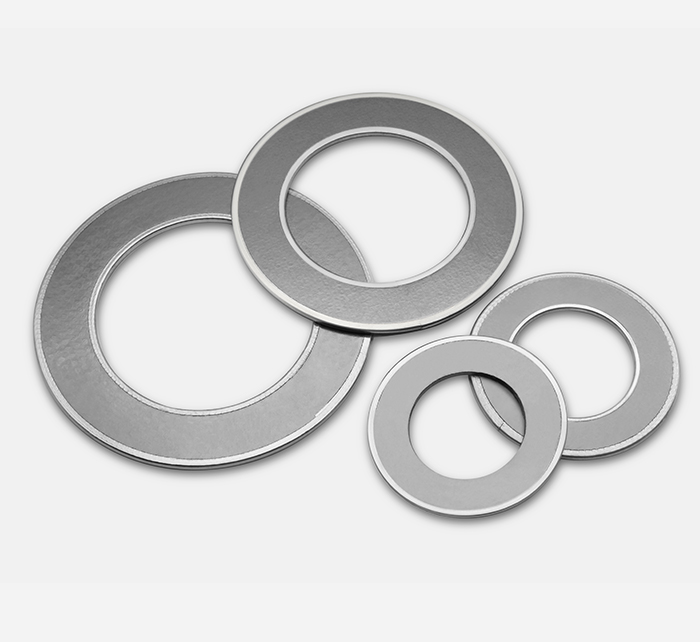 Non-Metallic Gaskets for Industrial Flange SealingCovers graphite, PTFE, rubber, cork and mica gaskets to ASME, JIS, BS and DIN standards for chemical-resistant and high-temperature flange sealing.View Product →
Put a full-face gasket on a raised-face flange and it bridges the raised band. Tightening bends the flange, damages the facing and still leaves the sealing element under-loaded — the exact failure described at the start of this article.
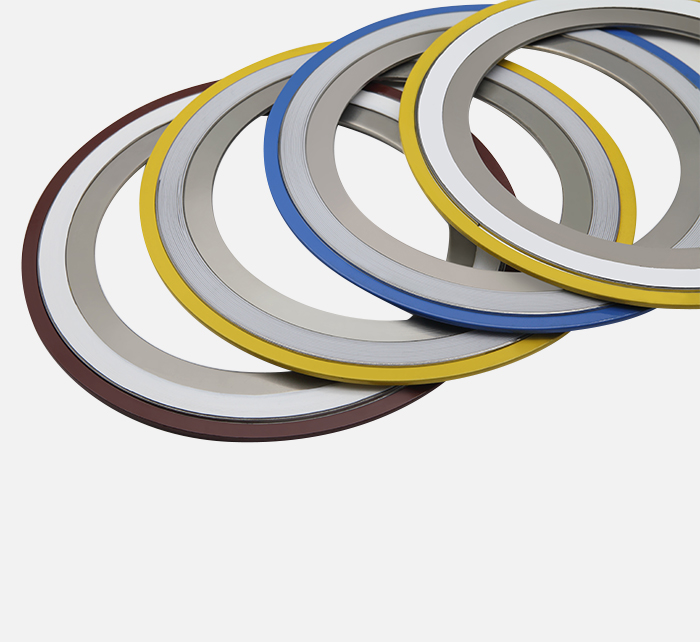 Spiral Wound Gaskets and VariantsIncludes W, RW, RWI, WI, RH and RS styles to ASME B16.20 and EN 1514-2, using metal windings and soft fillers for varied sealing service.View Product →
Installation discipline closes the loop: clean and inspect the facing, lubricate the bolting, tighten in a star or cross pattern in three passes, and finish at the specified torque rather than at "tight enough".
A full-face gasket covers the entire flange face and has bolt holes punched through it, so the bolts clamp the whole face. A ring gasket has no bolt holes and seals only inside the bolt circle, normally on a raised face or in a groove.
No. The gasket bridges the raised band, the bolts load the flange rim instead of the sealing face, and the flange can bend. Raised-face flanges take a ring gasket; flat-face flanges take the full-face type.
When pressure, temperature or thermal cycling would make a soft or semi-metallic ring relax — typically above Class 900, in wellhead and manifold service, or wherever the flange is machined with an R, RX or BX groove.
There is no universal figure. Torque depends on contact area, gasket material, thickness, bolt grade and lubrication. It should be calculated for the actual full-face geometry rather than copied from a raised-face torque table.
Not when the joint is correctly made. The seal is formed on the annulus around the bore, so the bolt holes are outside the pressurised sealing zone. Leaks traced to bolt holes are usually a symptom of a bent flange or uneven tightening.
No. Once compressed, the material has taken a permanent set and the bolt holes no longer align with the same resilience. Sheet, spiral wound and ring joint gaskets are all single-use components.

RILSON GASKET
Ningbo Rilson Sealing Material Co., Ltd is dedicated to ensuring the secure and dependable operation of fluid sealing systems, offering clients the appropriate sealing technology solutions.
Copyright © Ningbo Rilson Sealing Material Co., Ltd. All Rights Reserved.
