
 English
 русский
 中文简体
中文简体
RILSON GASKET
Ningbo Rilson Sealing Material Co., Ltd is dedicated to ensuring the secure and dependable operation of fluid sealing systems, offering clients the appropriate sealing technology solutions.
When a maintenance team has to repack the same valve for the third time in a year, the problem is usually not the workmanship. It is the material. On a 450 °C steam line, common PTFE packing softens, the gland bolts need constant re-tightening, and the leak starts again within weeks. Flexible graphite packing is built for exactly that situation.
The short answer is: flexible graphite — called expanded graphite in the raw-material trade — carries service temperatures to about 650 °C in air, survives most chemicals, lubricates itself, and recovers far better than crushed PTFE or plain graphite yarn. For valve stems, pump shafts, agitators and similar dynamic seals in hot service, it is the standard first choice.
As a sealing material manufacturer, Ningbo Rilson Sealing Material Co., Ltd works with flexible graphite every day, in braided packing and as gasket raw material, so what follows reflects production and field experience rather than a sales brochure.
Content
Flexible graphite packing is a stuffing-box seal made from expanded graphite. The process starts with natural flake graphite, which is treated with intercalating agents such as sulfuric and nitric acid, washed and dried, then flash-heated so the flakes expand dramatically. The worm-like expanded particles are rolled into flexible graphite foil or twisted into yarn; that yarn, usually reinforced with Inconel wire or glass fiber, is then braided into coils or die-formed into rings.
The chemistry explains the performance. Graphite is one of the most thermally stable solids known, it resists chemicals across almost the entire pH range, and its layered crystal structure creates a natural low-friction surface that needs no added lubricant. That combination is exactly what a stuffing box wants.
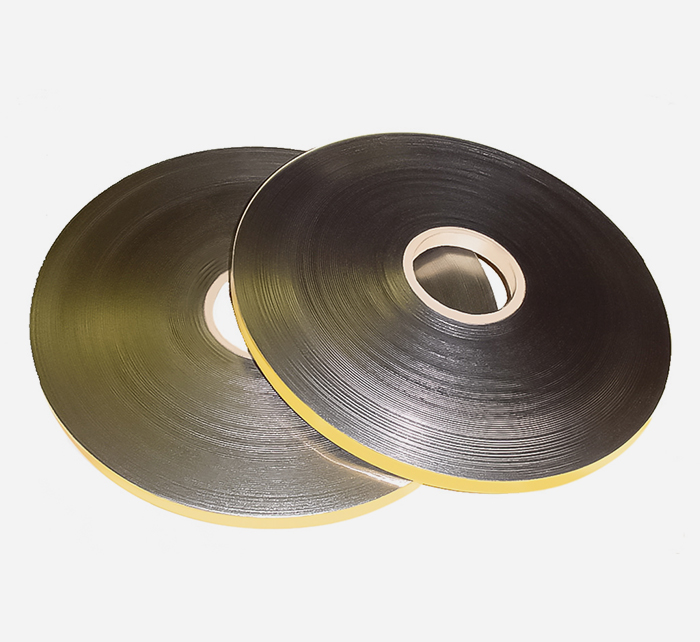
Flexible graphite is not limited to packing. Sheets, tapes and expanded graphite foil made the same way are standard gasket raw materials for plant maintenance and gasket fabrication; we supply them as 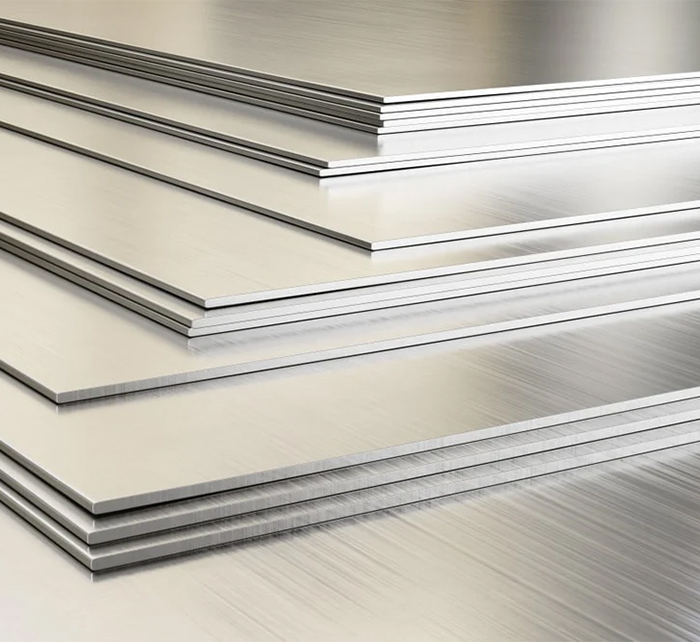 Flexible Graphite, PTFE and Mica Tapes for Spiral Wound GasketsThese raw materials include winding wire, graphite tape, PTFE tape and mica tape, manufactured to ASME, EN, DIN and JIS standards, making them suitable for producing spiral wound gaskets in demanding plant maintenance and fabrication.View Product → along with finished sealing products.
Packing performance depends as much on construction as on chemistry. A braided rope and a die-formed ring may be made of the same flexible graphite, yet they behave differently under compression.
The diagram below shows the two forms a plant engineer typically handles.
For valve bonnets, die-formed rings are usually the better choice because pre-compression removes the spiral gap that can become a leak path in loosely wound continuous packing. In pumps, where the shaft rotates, braided rings with reinforced yarn handle motion and abrasion more gracefully.
Choose flexible graphite when heat, pressure and packing life dominate the decision. Choose PTFE when the medium is strongly oxidizing at moderate temperature, or when galvanic corrosion of the shaft and stem must be avoided.
| Property | PTFE Packing | Flexible Graphite Packing |
|---|---|---|
| Maximum service temperature (air) | about 260 °C | about 650 °C |
| Low-temperature limit | -200 °C | -200 °C |
| Chemical resistance | Resistant to nearly all media | Excellent except strong oxidizers |
| Friction and lubrication | Very low friction | Low friction, self-lubricating |
| Thermal conductivity | Low, acts as an insulator | High, dissipates gland heat |
| Galvanic corrosion risk | None | Cathodic to steel in wet service |
| Typical services | Acids, chlorine, pure chemicals | Steam, hot oil, dry gases, high-temperature valves |
Values are typical maximums in air from common manufacturer data sheets; the real limit depends on media, gland pressure and shaft speed.
The temperature gap decides most plant applications. PTFE begins to creep and lose strength around 200 °C and softens well before 260 °C. Flexible graphite shows no softening below 650 °C in air, so the gland set remains stable even across thermal cycling.
Flexible graphite packing appears wherever steam, hot oils, dry gases and high temperatures make elastomers and PTFE unreliable.
Beyond the stuffing box, the same expanded graphite is the sealing industry's workhorse filler: spiral wound gaskets sandwich it between metal windings, and kammprofile gaskets use it as the soft facing layer. A material that seals a 500 °C valve stem is just as dependable between flanges, for the same reason — it conforms, recovers, and does not degrade with temperature.
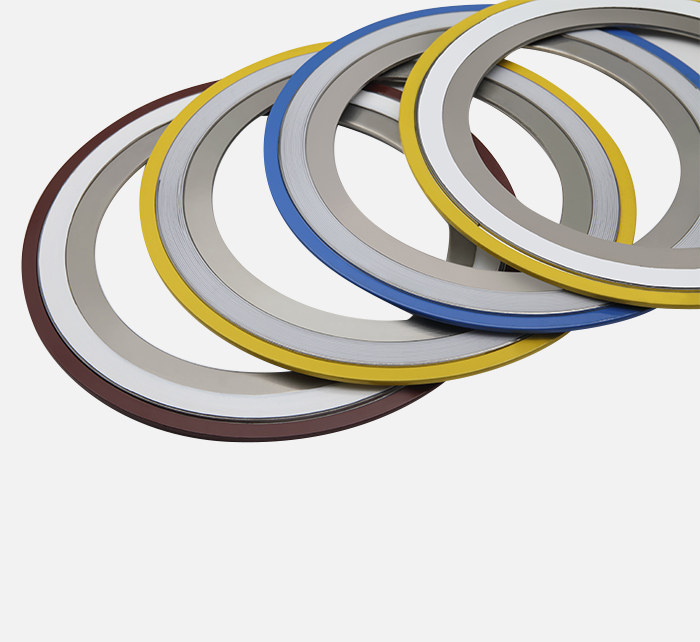 Spiral Wound Gaskets with Metal Windings and Soft FillersConstructed from alternating metal wire and soft filler such as expanded graphite, these gaskets provide spring-like resiliency and can include inner and outer rings for stability, making them dependable for refinery and chemical plant flange joints.View Product →
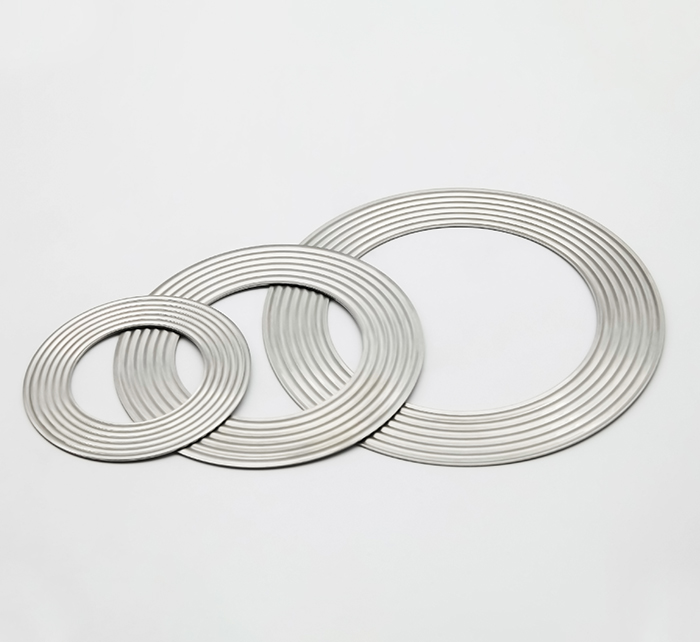
 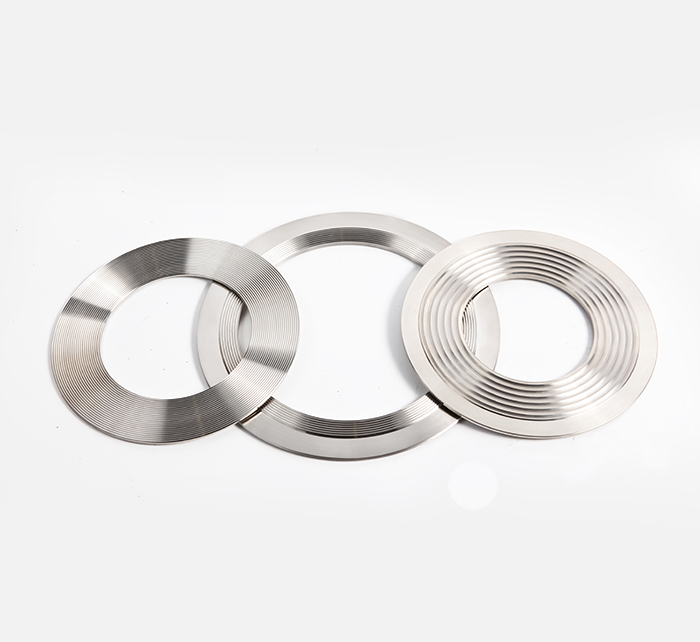 Serrated Metal Kammprofile Gaskets for High Pressure and TemperatureFeaturing a one-piece metal core with concentric grooves and a soft graphite or PTFE facing, these gaskets resist distortion under high pressure and high temperature, and can be custom-engineered in noncircular shapes for specific applications.View Product →
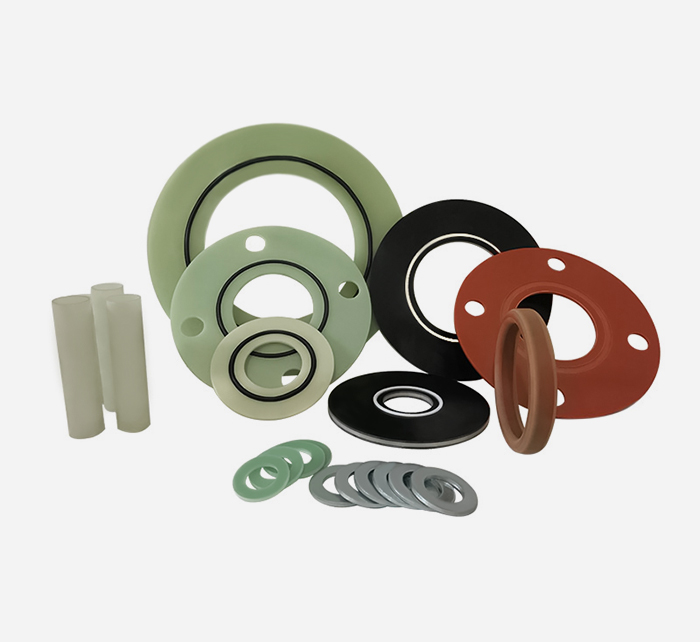
If your job is a flange joint rather than a stuffing box, the practical trade-offs of non-metallic gaskets in industrial service will help with the material decision.
Most flexible graphite packing failures are installation failures, not material failures. Five habits keep glands tight and stems clean:
One extra caution for stainless steel stems in wet chloride service: choose a low-chloride, inhibited flexible graphite grade to avoid crevice and galvanic corrosion. In dry steam and gas service, standard grades are the normal choice.
These are the questions maintenance and purchasing teams ask most often when they switch to flexible graphite packing.
It seals valve stems, pump shafts, mixers and agitators in steam, hot-oil, gas and chemical service where temperatures exceed the limits of PTFE or ordinary elastomers.
About 650 °C continuous in air, with higher peaks possible in steam or inert atmospheres. The low end reaches cryogenic temperatures around -200 °C.
Above 260 °C, yes. Below that, PTFE is preferable for very aggressive chemicals and when galvanic corrosion of the shaft or stem must be avoided.
In wet service, graphite is cathodic and can accelerate galvanic corrosion of steel or stainless shafts. Use inhibited grades in marine, brine or moist services.
Cut each ring with a clean 45-degree miter, stagger the joints around the stem, seat every ring with its own bush, then tighten the gland lightly and re-adjust after thermal run-in.
No. Once compressed in the stuffing box, the rings lose recovery, so always install fresh rings during maintenance.

RILSON GASKET
Ningbo Rilson Sealing Material Co., Ltd is dedicated to ensuring the secure and dependable operation of fluid sealing systems, offering clients the appropriate sealing technology solutions.
Copyright © Ningbo Rilson Sealing Material Co., Ltd. All Rights Reserved.
