
 English
 русский
 中文简体
中文简体
RILSON GASKET
Ningbo Rilson Sealing Material Co., Ltd is dedicated to ensuring the secure and dependable operation of fluid sealing systems, offering clients the appropriate sealing technology solutions.
In the oil, gas, and drilling industries, sealing performance directly impacts equipment safety and production efficiency. Ring joint gaskets, designed specifically for high-pressure and high-temperature environments, are widely used in oil and gas production equipment and drilling facilities. However, many engineers and corporate buyers still wonder: "Can ring joint gaskets truly operate reliably under extreme conditions?"
This article will provide a comprehensive analysis from five aspects: design principles, material properties, standards and specifications, practical application cases, and selection recommendations, to answer this question.
1. Design Principles of Ring Joint Gaskets
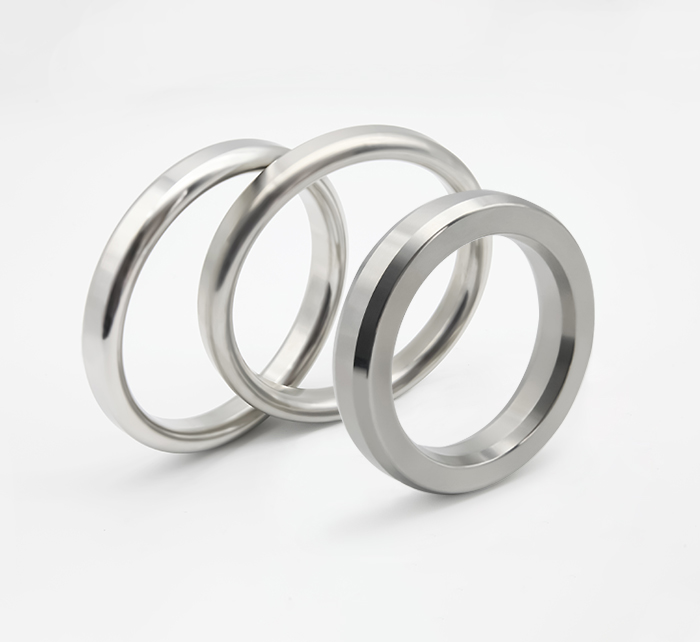
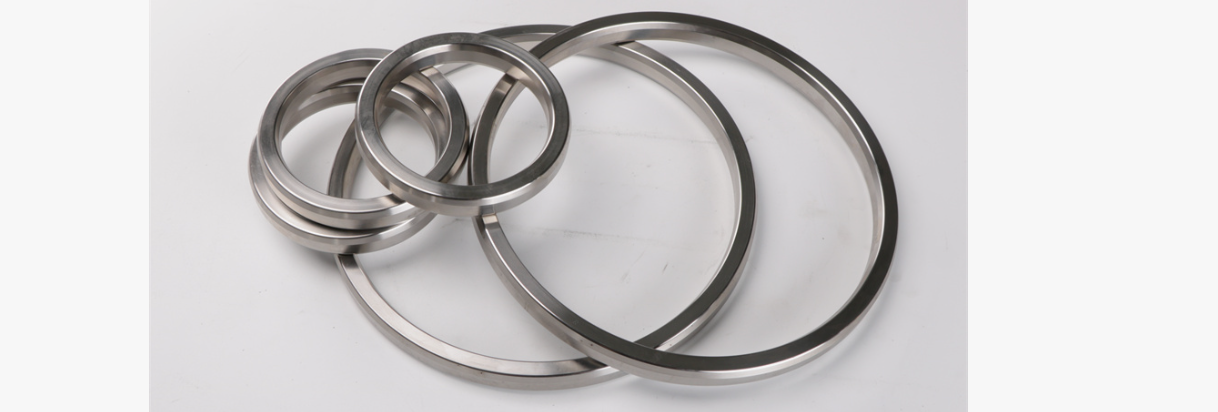
Ring joint gaskets, also known as RTJ (Ring Type Joint) gaskets, are special sealing components that achieve efficient sealing through mechanical pressure. Their core design principles include:
Bolt-induced pressure sealing
During installation, bolts apply uniform pressure to the flange, causing the softer metal portion of the ring joint gasket to flow into the tiny gaps on the flange surface, thus forming a tight and reliable metal-to-metal contact seal.
Metal-to-metal sealing
Unlike traditional soft gaskets, ring joint gaskets rely on metal flow and plastic deformation for sealing, maintaining stability under high pressure and high temperature conditions, and are less prone to compression deformation or leakage.
Adaptive mechanical design
The cross-sectional design of the ring joint gasket is precisely calculated to adapt to the surface roughness and stress distribution of different flange materials, ensuring long-term reliable sealing performance under extreme working conditions.
This unique design makes ring joint gaskets the preferred choice for high-pressure and high-temperature sealing in the oil, gas, and chemical industries.
2. Material Properties Determine High Pressure and High Temperature Resistance
The high-pressure and high-temperature performance of ring joint gaskets is closely related to the materials used. Common materials include:
Soft metals: such as copper, aluminum bronze, soft steel, or nickel-based alloys, which possess good plasticity and sealing properties.
High-temperature alloy steel: heat-resistant and corrosion-resistant, maintaining strength under high-temperature operating conditions.
Material characteristics directly affect the pressure and temperature resistance of ring joint gaskets. For example, under API 6A and ASME B16.20 standards, ring gaskets designed with specific materials and dimensions can withstand pressures of hundreds of bars and temperatures of hundreds of degrees Celsius, meeting the stringent operating requirements of oil and gas wellhead equipment, drill heads, and pipelines.
3. Standard Specifications Ensure Reliability
To ensure the reliability of ring gaskets in high-pressure and high-temperature environments, several international and domestic industry standards have been established:
API 6A: Standard for valves and wellhead equipment in the oil and gas industry, covering pressure ratings, dimensions, and material requirements.
API 17D: Standard for subsea equipment, ensuring sealing performance in high-pressure underwater environments.
ASME B16.20: Standard for industrial piping and flange sealing, regulating the manufacturing and testing of ring gaskets.
By strictly adhering to these standards, the pressure resistance, temperature resistance, and leak-proof performance of ring gaskets are engineering-verified, allowing companies to confidently use them in critical equipment.
4. Performance of Ring Gaskets in Practical Applications
Oil and Gas Wellhead and Drilling Equipment
Ring gaskets are widely used in high-pressure wellheads, drill pipe joints, Christmas tree valves, and other equipment. Their metal sealing principle maintains a seal even under sudden pressure changes and high temperatures, preventing oil and gas leaks and ensuring production safety.
Petrochemical Pipelines
In high-temperature steam pipelines or pipelines transporting corrosive fluids, the high-temperature and corrosion-resistant properties of ring gaskets significantly reduce leakage incidents and improve pipeline operational reliability.
5. Selection and Installation Recommendations
To fully utilize the high-pressure and high-temperature performance of ring gaskets, companies should pay attention to the following points:
Select gaskets according to pressure rating
Different operating environments have different pressures and temperatures; therefore, the pressure rating requirements in API and ASME standards should be considered during selection.
Properly match flange material and dimensions
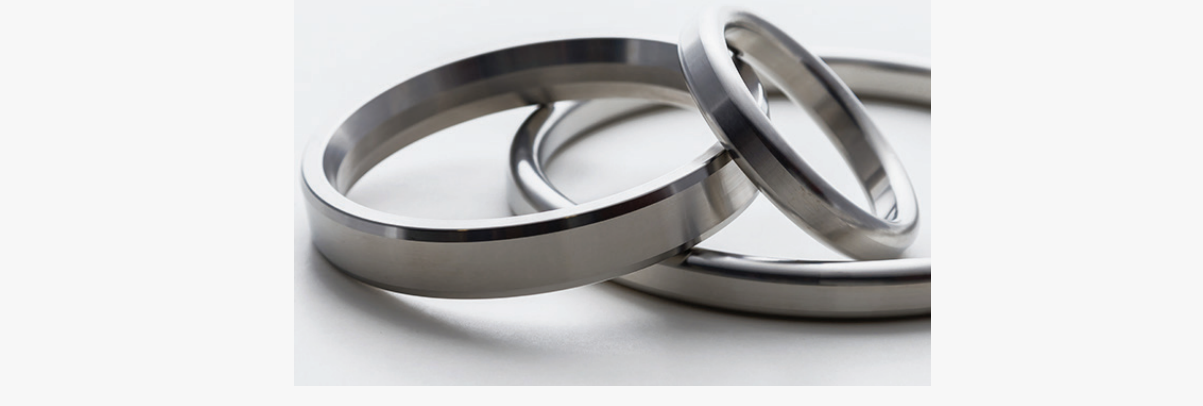
The ring gasket must match the flange surface material, hardness, and dimensions to ensure effective metal-to-metal sealing.
Correct installation torque
Applying uniform bolt torque is crucial for ensuring reliable sealing. A torque wrench should be used according to standard procedures during installation.
Regular Inspection and Maintenance
Although ring joint gaskets perform stably in high-pressure and high-temperature environments, regular inspection of the flange surface and gasket condition is still necessary after prolonged use to ensure continued safe operation.
Ring joint gaskets can indeed withstand high pressure and high temperature, thanks to their unique metal sealing design, high-quality materials, strict standards and specifications, and scientific installation methods. In oil, natural gas, drilling, and high-temperature and high-pressure pipeline equipment, ring joint gaskets not only provide reliable sealing but also significantly improve equipment safety and production efficiency.
For businesses, choosing high-quality ring joint gaskets that comply with API 6A, API 17D, and ASME B16.20 standards, and strictly adhering to installation and maintenance procedures, is crucial for ensuring the safe and smooth operation of high-pressure and high-temperature operations.

RILSON GASKET
Ningbo Rilson Sealing Material Co., Ltd is dedicated to ensuring the secure and dependable operation of fluid sealing systems, offering clients the appropriate sealing technology solutions.
Copyright © Ningbo Rilson Sealing Material Co., Ltd. All Rights Reserved.
