
 English
 русский
 中文简体
中文简体
RILSON GASKET
Ningbo Rilson Sealing Material Co., Ltd is dedicated to ensuring the secure and dependable operation of fluid sealing systems, offering clients the appropriate sealing technology solutions.
In industrial applications, sealing is a crucial factor, especially in equipment involving high pressure, extreme temperatures, and corrosive environments. Spiral wound gaskets, due to their excellent sealing performance and durability, have become a commonly used sealing material in many industrial sectors, such as petrochemicals, natural gas, and power generation. They effectively prevent the leakage of liquids, gases, and other media, ensuring the safe operation of the system.
1. Structure and Working Principle of Spiral Wound Gaskets
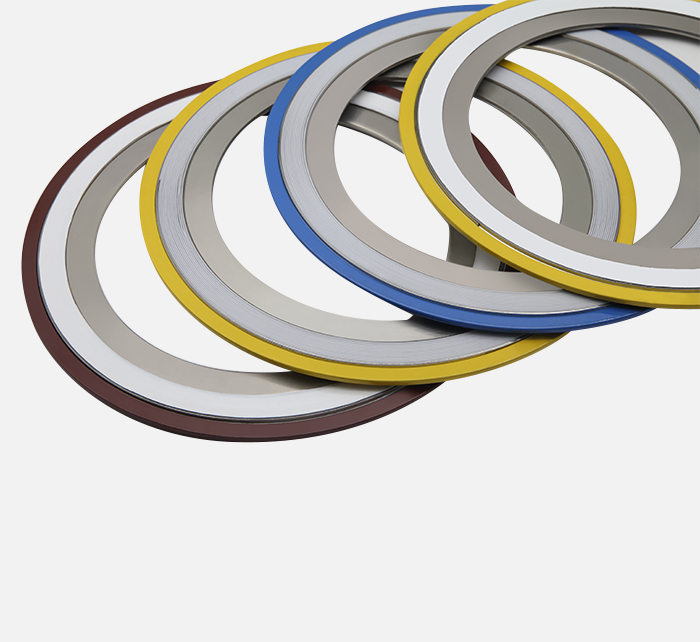
Spiral wound gaskets are typically composed of multiple layers of materials, including metal strips and non-metallic fillers. The metal strips are usually made of materials such as stainless steel and aluminum alloys, while the non-metallic fillers often use graphite, polytetrafluoroethylene (PTFE), etc. This combination of materials gives the gasket extremely strong sealing capabilities.
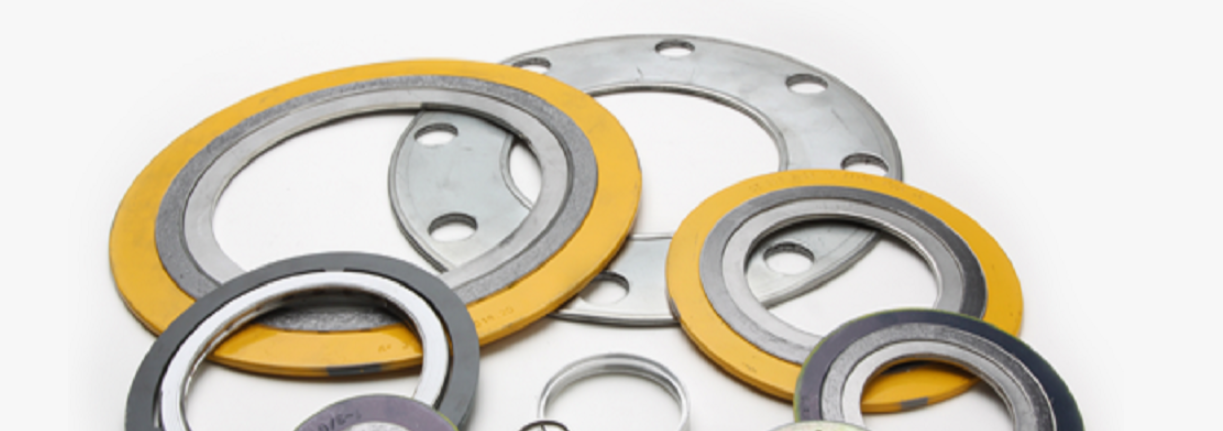
The working principle of spiral wound gaskets mainly relies on their elastic recovery and compressive deformation characteristics. When the gasket is installed at the joint and compressed by external force, the metal strips deform, and the non-metallic filler fills the tiny gaps in the joint during the deformation process, thus achieving a seal. Due to the interaction between the metal strips and non-metallic materials, spiral wound gaskets can maintain long-term stable sealing performance in high-temperature, high-pressure, and corrosive environments.
2. Key Features of Spiral Wound Gaskets for Preventing Leaks
(1) Good Elasticity and Recovery
Spiral wound gaskets have excellent elasticity and recovery. When the joint is compressed, the gasket can adapt to minor surface irregularities and deformations, providing a tight contact surface. This elastic recovery ability allows spiral wound gaskets to effectively resist sealing failure caused by external factors such as temperature changes and pressure fluctuations, continuously and effectively preventing leaks.
(2) Multi-layer Structure and Sealing Capability
The multi-layer structure of spiral wound gaskets allows them to provide multiple layers of protection during the sealing process. The metal layers mainly provide support and elasticity, ensuring that the gasket does not lose its shape under high pressure; the non-metallic layers fill the tiny gaps on the joint surface, preventing gas or liquid leakage. This combined structure provides a high degree of sealing, especially suitable for applications in harsh environments such as high pressure and high temperature.
(3) Strong Adaptability
Spiral wound gaskets have strong adaptability and can handle a variety of complex working conditions. Whether it's temperature fluctuations, pressure changes, or the corrosiveness of the medium, spiral wound gaskets can adapt to different environments through the selection of their structure and materials. They perform exceptionally well, especially in applications requiring high-temperature and high-pressure sealing, effectively preventing leakage.
(4) Chemical Resistance
Many non-metallic fillers in spiral wound gaskets (such as graphite, PTFE, etc.) have good chemical corrosion resistance. Even in corrosive media such as strong acids, strong bases, and solvents, spiral wound gaskets can maintain their sealing performance. This makes them widely used in the chemical and petroleum industries.
3. Application Examples of Spiral Wound Gaskets in Leak Prevention
| Application Area | Typical Challenges | Performance of Spiral Wound Gasket |
| Petrochemical | High temperature, high pressure, corrosive media | Excellent sealing, prevents oil and gas leaks, strong corrosion resistance |
| Power Industry | High-temperature steam, pressure fluctuations | Durable, provides stable sealing, prevents steam leakage |
| Natural Gas Pipelines | High-pressure gas transmission, preventing gas leaks | Adapts to high-pressure environments, ensures no gas leakage |
| Food Industry | Contact with food, ensuring hygiene | Non-toxic, non-polluting, meets hygiene standards |
These application examples demonstrate that spiral wound gaskets perform exceptionally well in high-temperature, high-pressure, corrosive environments, and applications requiring high hygiene standards, effectively preventing various types of leaks and ensuring system stability and safety.
4. Common Problems and Solutions for Spiral Wound Gaskets
(1) Leakage due to improper installation
If spiral wound gaskets are not installed correctly or are not sufficiently compressed during installation, incomplete sealing may occur, leading to leakage. Therefore, correct installation is crucial. Ensure that appropriate tools are used during installation and that the gasket is compressed according to design requirements.
(2) Material incompatibility with environmental conditions
Leakage may also occur if the spiral wound gasket material is not compatible with the working environment. Choosing the appropriate metal strip and non-metallic filler material can effectively avoid this problem. For example, in high-temperature or highly corrosive environments, materials with higher temperature resistance and chemical resistance should be selected.
(3) Overuse or aging
After prolonged use, spiral wound gaskets may age due to environmental factors such as high temperature and high pressure, leading to a decrease in their elasticity and sealing performance. Therefore, regular inspection and replacement of gaskets are necessary, especially in equipment with high usage frequency.
With their multi-layer structure, good elastic recovery, high temperature resistance, corrosion resistance, and strong adaptability, spiral wound gaskets have become an ideal choice for preventing leaks in various industrial fields. They can provide a long-lasting sealing effect under extreme working conditions, preventing the leakage of liquids, gases, and other media, and ensuring the safe operation of equipment.

RILSON GASKET
Ningbo Rilson Sealing Material Co., Ltd is dedicated to ensuring the secure and dependable operation of fluid sealing systems, offering clients the appropriate sealing technology solutions.
Copyright © Ningbo Rilson Sealing Material Co., Ltd. All Rights Reserved.
