
 English
 русский
 中文简体
中文简体
RILSON GASKET
Ningbo Rilson Sealing Material Co., Ltd is dedicated to ensuring the secure and dependable operation of fluid sealing systems, offering clients the appropriate sealing technology solutions.
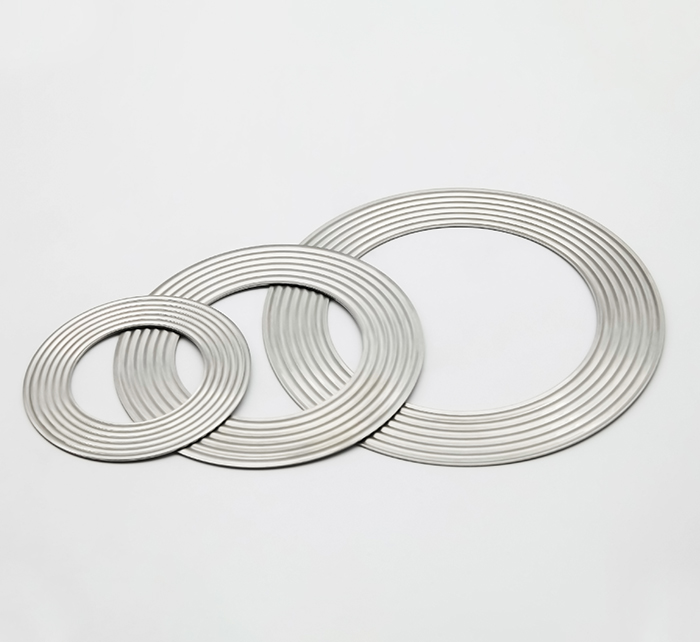
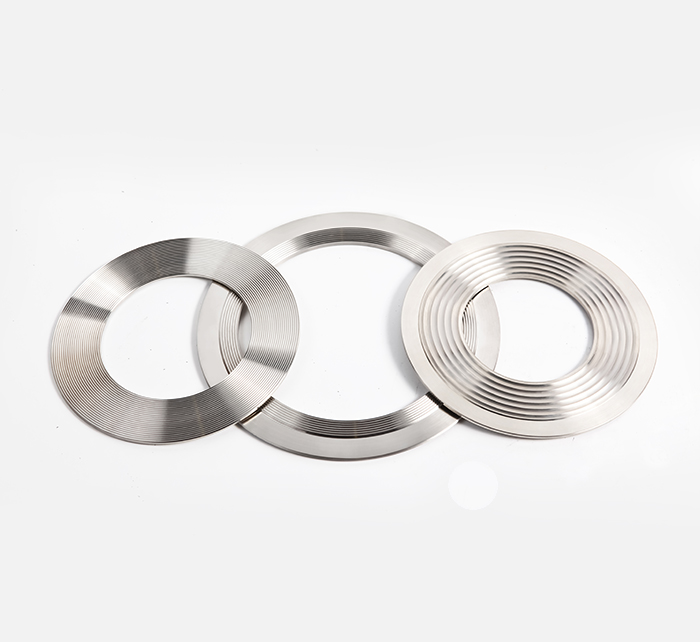
Corrugated metal gaskets are heat-resistant and corrosion-resistant because of two reinforcing factors working together: the inherent metallurgical properties of their base materials, and the mechanical advantage provided by their corrugated profile. Alloys such as 316L stainless steel, Inconel 625, and titanium form stable, self-repairing oxide layers that block chemical attack, while the wave-form cross-section distributes compressive stress evenly and maintains a resilient seal under thermal cycling that would cause flat gaskets to fail. The result is a sealing component capable of operating continuously at temperatures above 800°C (1,472°F) and in aggressive media including sulfuric acid, chloride-rich steam, and hydrogen sulfide environments.
This article explains the material science and structural mechanics behind these properties, compares common alloy choices, and provides practical guidance on metal corrugated gasket installation methods for demanding industrial applications.
Content
Heat resistance in metallic sealing components is not simply a function of melting point. It depends on a metal's ability to retain mechanical strength, dimensional stability, and oxidation resistance across a wide temperature range — including repeated heating and cooling cycles. Corrugated metal gaskets achieve this through the use of alloys specifically engineered for high-temperature service.
When chromium-bearing alloys such as 304, 316, or 321 stainless steel are exposed to elevated temperatures, the chromium content (typically 16–26% by weight) reacts with oxygen to form a thin, dense chromium oxide (Cr₂O₃) layer on the surface. This passive layer acts as a thermal and chemical barrier, preventing further oxidation of the base metal beneath. At temperatures up to approximately 870°C (1,598°F), the oxide layer remains stable and adherent. For service above this threshold, nickel-based superalloys such as Inconel 625 — containing 20–23% chromium and 8–10% molybdenum — extend the protective range to over 1,000°C (1,832°F).
Equally important is the ability of these oxide layers to self-repair when mechanically disrupted. If the gasket surface is scratched during installation or by micro-motion under load, chromium re-oxidizes within milliseconds in the presence of even trace amounts of oxygen, restoring the protective barrier without any external intervention.
Figure 1: Maximum continuous service temperature (°C) for common corrugated metal gasket alloys in oxidizing atmospheres.
Material selection alone does not fully explain why high-temperature corrosion-resistant metal gaskets outperform flat metal alternatives. The corrugated profile — a repeating wave pattern stamped into the metal sheet — introduces mechanical benefits that are critical under thermal loading.
When a bolted flange assembly heats up, both the flange material and the gasket expand. If the coefficients of thermal expansion (CTE) differ — which is almost always the case — the gasket experiences differential stress. A flat metal gasket has no mechanism to accommodate this movement: it either deforms plastically, loses contact stress, or cracks. A corrugated profile, by contrast, acts as a series of springs. Each wave crest compresses or relaxes incrementally, absorbing dimensional changes while maintaining a consistent sealing contact pressure across the entire gasket face.
In practical terms, a corrugated metal gasket in 316L stainless steel installed on a carbon steel flange can accommodate a differential thermal expansion of 0.8–1.2 mm per 100 mm of flange diameter across a 500°C temperature swing without loss of seal integrity — a performance level not achievable with solid flat metal or spiral wound alternatives at equivalent bolt loads.
The corrosion resistance of corrugated metal gaskets is primarily determined by their alloy composition. Different industrial environments impose very different corrosion mechanisms, and selecting the correct alloy is essential for reliable long-term sealing performance. The table below summarizes the corrosion resistance profiles of the most widely used gasket alloys:
| Alloy | Chloride Resistance | Acid Resistance | H₂S / Sulfur | Oxidizing Media |
|---|---|---|---|---|
| 304 Stainless Steel | Moderate | Good (dilute) | Poor | Good |
| 316L Stainless Steel | Good | Good | Moderate | Good |
| 321 Stainless Steel | Moderate | Moderate | Moderate | Excellent |
| Inconel 625 | Excellent | Excellent | Excellent | Excellent |
| Hastelloy C-276 | Excellent | Excellent (conc.) | Excellent | Good |
| Titanium Grade 2 | Excellent | Good (oxidizing) | Poor | Excellent |
The addition of molybdenum (2–3% in 316L; 8–10% in Hastelloy C-276) is particularly significant for chloride resistance. Molybdenum reinforces the passive oxide layer against pitting and crevice corrosion — attack modes that are especially problematic in offshore oil and gas, desalination, and chemical processing environments where chloride concentrations can exceed 10,000 ppm.
Beyond alloy composition, the physical design of corrugated metal gaskets contributes directly to their long-term corrosion performance in service. Several design characteristics deserve attention:
To understand where corrugated metal gaskets deliver their greatest advantage, it is useful to compare them directly against the other high-performance sealing solutions used in similar applications.
Figure 2: Relative sealing integrity retention (%) after repeated thermal cycles (ambient to 500°C) for three common gasket types.
| Gasket Type | Max. Temp. | Thermal Cycling | Corrosion Resistance | Re-usability |
|---|---|---|---|---|
| Corrugated Metal Gaskets | Up to 1,000°C+ | Excellent | Excellent (alloy-dependent) | Sometimes (inspect first) |
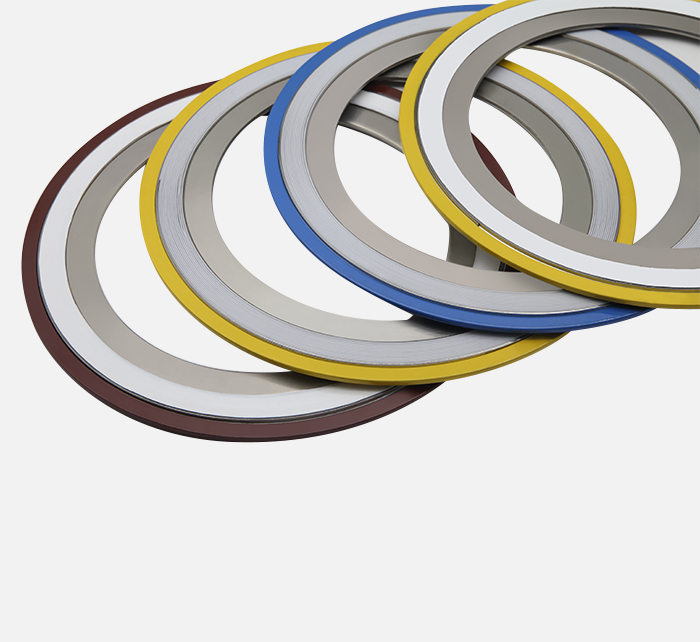
| Spiral Wound Gaskets | Up to 800°C | Good | Good | No (single-use) |
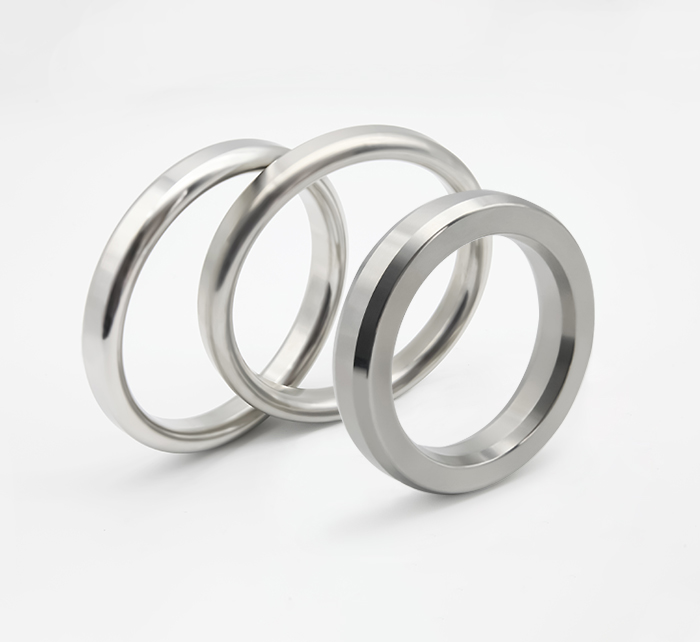
| Ring Joint (RTJ) Gaskets | Up to 700°C | Good | Good | No (single-use) |
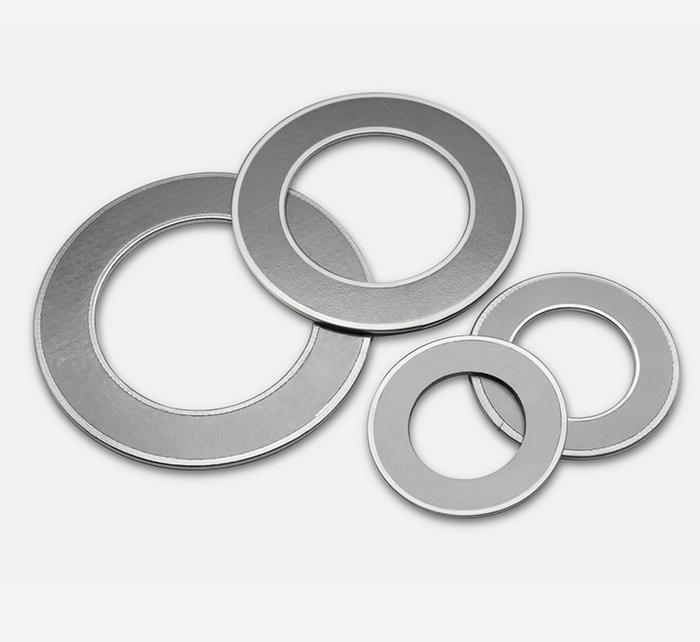
| Graphite Flat Gaskets | Up to 450°C (air) | Moderate | Moderate | No |
Even the highest-quality corrugated metal gasket will underperform or leak prematurely if the metal corrugated gasket installation method is incorrect. The following procedure reflects best practice for flanged joint assembly in high-temperature and corrosive service:

RILSON GASKET
Ningbo Rilson Sealing Material Co., Ltd is dedicated to ensuring the secure and dependable operation of fluid sealing systems, offering clients the appropriate sealing technology solutions.
Copyright © Ningbo Rilson Sealing Material Co., Ltd. All Rights Reserved.
