
 English
 русский
 中文简体

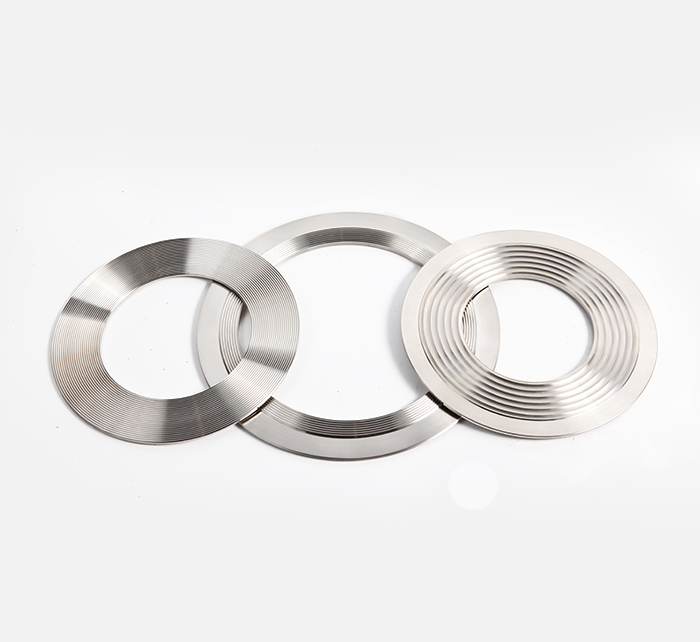
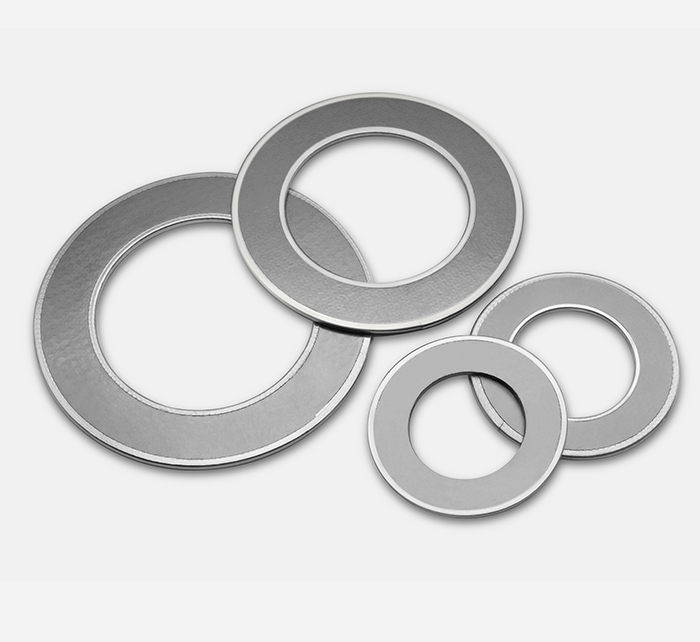
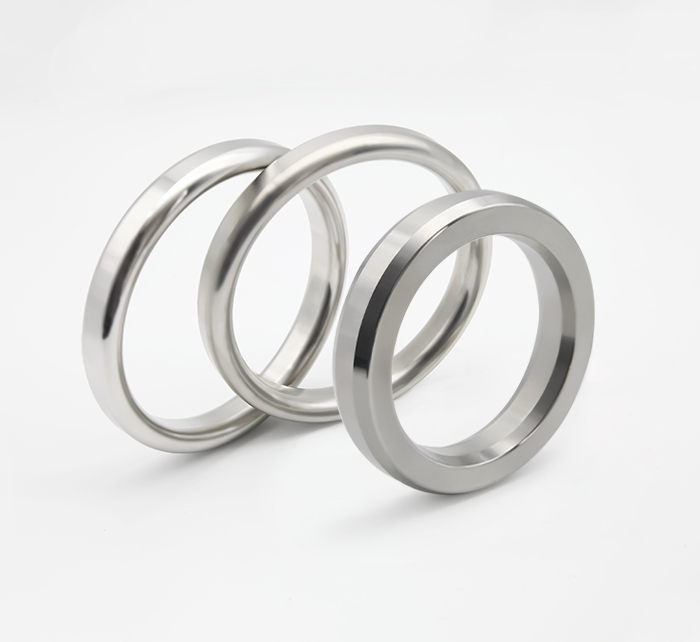
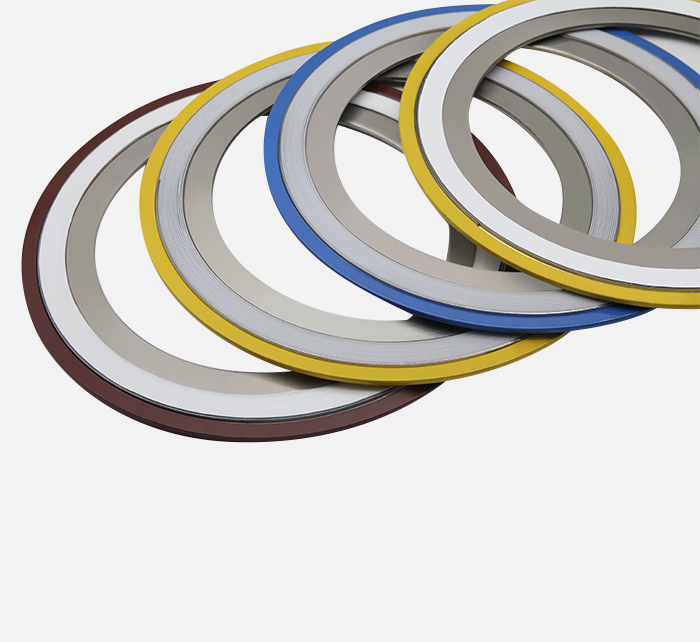
RILSON GASKET
Ningbo Rilson Sealing Material Co., Ltd is dedicated to ensuring the secure and dependable operation of fluid sealing systems, offering clients the appropriate sealing technology solutions.
A gasket that weeps after six weeks on a caustic transfer line usually fails for one reason: the materials inside the joint were never compatible with what the line actually carries. Correct dimensions, a calibrated torque wrench, and a clean flange face cannot rescue a filler or facing that swells, cracks, oxidizes, or leaches into the process.
Material compatibility in sealing is the combined survival of every material in the joint — filler, facing, winding metal, inner and outer rings, and often the flange itself — under the real chemistry, temperature, and pressure of the service rather than the mild conditions printed at the top of a resistance chart.
The sections below explain how compatibility is graded, where published charts stop being trustworthy, and what a buyer should verify with a manufacturer before a gasket is released for production.
Content
Compatibility is often treated as a single chemical question. In practice a sealing joint has to satisfy four separate conditions at the same time, and failure in any one of them sinks the joint even when the other three look perfect on paper.
Most field failures come from the overlap between these dimensions. A PTFE facing resists the acid but creeps at 180 °C and the joint opens. A graphite filler handles the heat, then meets fuming nitric acid and oxidizes away. An EPDM gasket manages steam perfectly until a trace of compressor oil reaches the line.
Selection starts with the material class, not with the gasket type. Once the class is right, spiral wound, kammprofile, corrugated metal, or non-metallic construction becomes an engineering choice about seating stress, flange finish, and cost.
| Material class | Typical service range | Handles well | Watch out for |
|---|---|---|---|
| PTFE (virgin or filled) | -200 to 260 °C | Most acids, bases, solvents, food and pharmaceutical service | Molten alkali metals, elemental fluorine; cold flow under high bolt load |
| Flexible graphite | -200 to 450 °C in oxidizing service | Steam, hydrocarbons, heat transfer fluids, many acids | Strong oxidizers such as concentrated nitric or fuming sulfuric acid |
| NBR | -40 to 100 °C | Mineral oils, fuels, water, glycols | Ketones, esters, strong acids, ozone |
| FKM | -20 to 200 °C | Acids, hydrocarbons, aromatic solvents, oxygen service | Ketones, amines, hot water and steam, low-temperature duty |
| EPDM | -50 to 150 °C | Water, steam, phosphate esters, many acids and bases | Mineral oils, fuels, aromatic hydrocarbons |
| 316L stainless winding | Metal component, not a seal by itself | General corrosion resistance, oxidizing media | Hot chloride-bearing service, where pitting and stress corrosion cracking start |
| Monel 400 / Inconel 625 winding | Metal component, not a seal by itself | Seawater, hydrofluoric acid, high-temperature chloride duty | Cost premium; confirm alloy certificate before release |
The ranges above are typical published envelopes for the material class, not a warranty for a specific grade or batch. Filler content, cure, density, and joint design all shift the real limit.
Inside a spiral wound or kammprofile gasket, the filler and facing do the chemical work while the metal carries the load. That split matters: chlorinated solvents that attack a rubber binder may be harmless to a flexible graphite filler, while a medium that oxidizes graphite may be fine for a PTFE facing. Sheet materials behave the same way — the common materials used for non-metallic gaskets each carry their own resistance profile, and mixing them up is a frequent cause of premature failure.
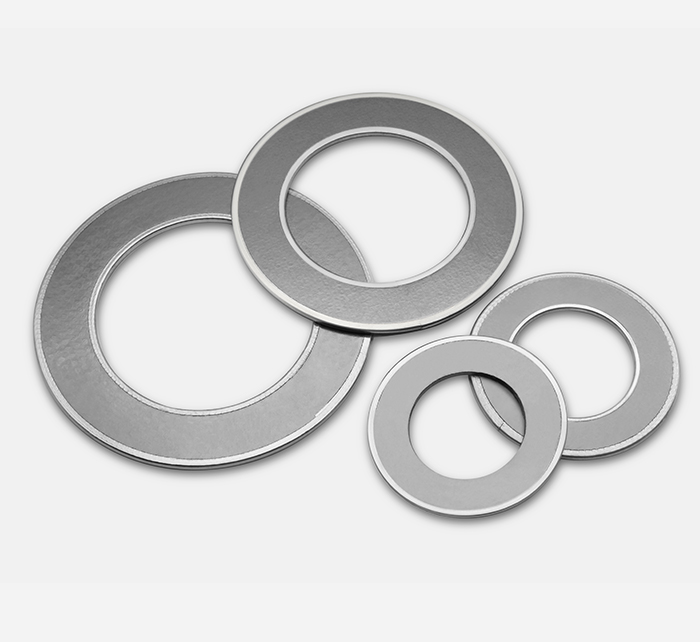 Non Metallic Gaskets by Material and TypeCompare compressed non-asbestos, PTFE, graphite, rubber, cork, and mica gasket options with standards and application guidance for matching filler to service conditions.View Product →
Compatibility charts are built from immersion tests at defined concentration and usually at ambient temperature. Plant service rarely stays inside those test conditions, so a rating of "excellent" on paper can still leak in the field.
A practical habit is to write the service envelope as a range rather than a single point: minimum and maximum temperature, maximum pressure, upset conditions, cleaning regime, and the chloride level of any water used in testing or flushing. Many operators cap chlorides in hydrotest water at around 50 ppm when austenitic stainless steel is wetted, which is a useful reference point when the gasket metal and flange are both stainless.
The metal in a gasket is not inert to the process. Winding strips, inner and outer rings, and the flange face form a small electrochemical cell, and the electrolyte is whatever the line carries. Carbon steel outer rings are acceptable on a well-protected carbon steel flange, but the same ring on a stainless flange in a wet, chloride-bearing line invites preferential attack.
Where the process is aggressive, the ring alloy should be upgraded rather than the flange. 316L covers most general duty; duplex and super-duplex grades suit chloride-containing streams; Monel 400 is common in seawater and hydrofluoric acid service; Inconel 625 is used where temperature and chlorides rise together. Every one of these choices should be traceable to a mill certificate, not to a catalogue picture.
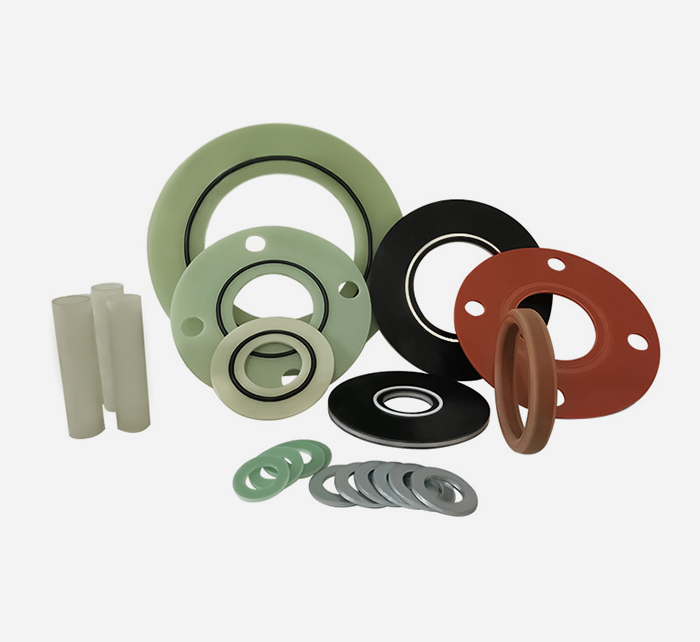
On pipelines that combine corrosive media with cathodic protection or stray currents, the joint needs electrical isolation as well as sealing. Insulation gasket kits isolate the flange pair with a dielectric sheet, sleeves, and washers, which stops the gasket assembly from becoming the path of least resistance for a corrosion current.
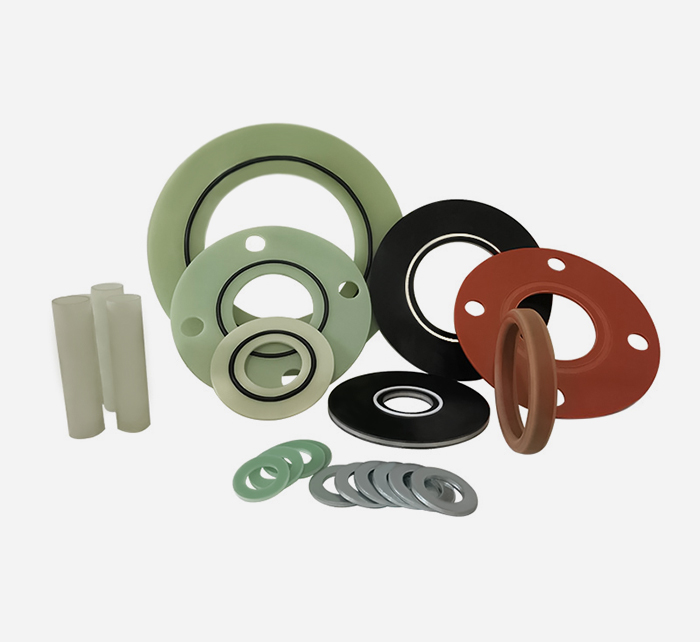 Insulation Gasket Kits for Flange Electrical IsolationEach kit includes a central gasket, bolt sleeves, and insulating washers to isolate flange pairs and limit corrosion currents in chemical, petrochemical, and power service.View Product →
A compatibility review that takes an hour at the quotation stage prevents repeated shutdowns later. The sequence below is the one we recommend to procurement and maintenance teams specifying gaskets for chemical, petrochemical, and power service.
Conceptual workflow. The review is iterative — a failed step usually sends the specification back to the medium definition rather than forward to a different gasket type.
For high-pressure and high-temperature flanges, spiral wound construction usually ends up as the candidate, and the filler decision determines whether the joint survives. Our note on material selection in spiral wound gaskets explains how the winding, filler, and ring choices shift temperature resistance and recovery. Buyers working with a manufacturer should ask for the proposed construction in writing — filler grade, winding alloy, ring alloy, and the standard the gasket will be dimensioned to, typically ASME B16.20 or the project specification.
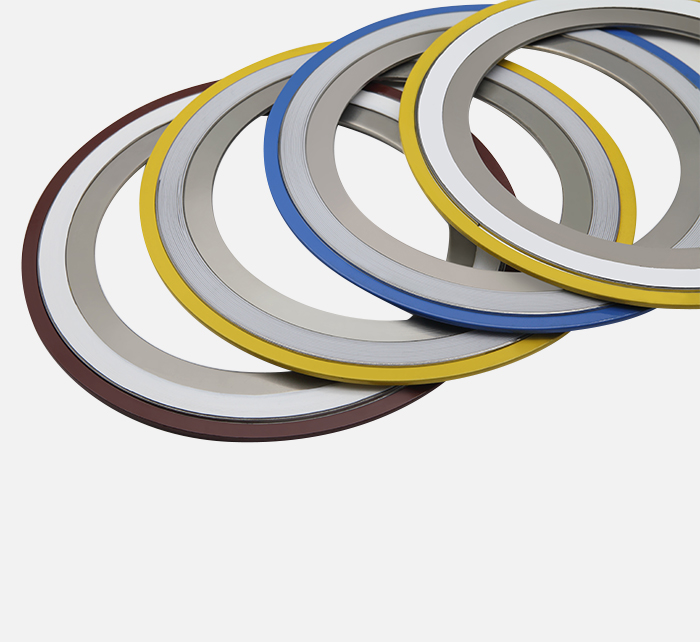 Spiral Wound Gaskets with Selectable Fillers and RingsReview winding-only, outer-ring, inner-and-outer-ring, and heat-exchanger styles with metal and filler options for high-pressure, high-temperature flange sealing.View Product →
It means every material in the joint — filler, facing, winding metal, and rings — can resist the medium at the operating temperature without unacceptable swelling, weight change, strength loss, or corrosion during the intended service life.
No. A universal material does not exist. Flexible graphite, PTFE, and the common elastomers each fail in different chemistries, so a plant with mixed service normally standardizes on two or three construction types rather than one.
Both shift attack rates significantly. A material rated for a dilute acid at ambient temperature may be unsuitable for the concentrated grade at 120 °C. Ratings should always be read against the actual concentration and temperature band.
Yes. Winding and ring alloys corrode, and they can drive galvanic attack on the flange. Stainless grades are sensitive to chlorides at temperature, and carbon steel rings are a poor match for wet or caustic service.
Immersion results such as ASTM F146, material certificates with heat numbers, and dimensional compliance to ASME B16.20 or the applicable project standard. For unusual media, a sample immersion test is often the fastest way to settle the question.
Yes. Filler grade, winding alloy, ring material, thickness, and dimensions can be specified to the service. MOQ, tooling, and lead time depend on the construction and order quantity, so they are confirmed against the actual drawing and batch size.
If you are weighing two constructions for a difficult line, send the medium, concentration, temperature, pressure, and flange details to our engineering team. We manufacture spiral wound, kammprofile, ring joint, corrugated metal, heat exchanger, and non-metallic gaskets, and we will confirm which material combination fits the service before quoting.

RILSON GASKET
Ningbo Rilson Sealing Material Co., Ltd is dedicated to ensuring the secure and dependable operation of fluid sealing systems, offering clients the appropriate sealing technology solutions.
Copyright © Ningbo Rilson Sealing Material Co., Ltd. All Rights Reserved.
