
 English
 русский
 中文简体
中文简体
RILSON GASKET
Ningbo Rilson Sealing Material Co., Ltd is dedicated to ensuring the secure and dependable operation of fluid sealing systems, offering clients the appropriate sealing technology solutions.
When a pump shaft rotates at 1,450 rpm or a valve stem cycles thousands of times, the only barrier between the process fluid and the atmosphere is often a few rings of compression packing. Yet many plants still treat packing selection as an afterthought, leading to excessive leakage, premature shaft wear, and unscheduled downtime. Understanding how a compression packing seal works—and how to choose, install, and maintain it—directly affects plant reliability and operating cost.
Content
A compression packing seal (also called a gland seal or stuffing box seal) uses braided or molded fibrous material compressed around a rotating or reciprocating shaft to prevent fluid leakage. The packing is housed in a stuffing box, and a gland follower applies axial force. This force is converted into radial expansion against the shaft and housing wall, creating a sealing interface.
The seal relies on a controlled leakage film—typically 8–12 drops per minute per inch of shaft diameter for water service—to cool and lubricate the interface. Too tight a gland shortens packing life; too loose causes excessive leakage. The art lies in balancing compression effects against service conditions.
The packing material determines temperature resistance, chemical compatibility, and wear characteristics. The chart below shows typical temperature ranges for the most common industrial packing fibers. Note that actual limits depend on impregnation and construction.
Typical continuous operating temperature ranges for common compression packing materials (values based on industry literature).
| Material | Max Temp (°C) | Chemical Resistance | Best For |
|---|---|---|---|
| Expanded Graphite | 650 (non-oxidizing) | Excellent (except strong oxidizers) | High-temperature steam, oils, chemicals |
| PTFE | 260 | Excellent (nearly universal) | Corrosive chemicals, food processing |
| Aramid | 400 | Good (except strong acids) | Slurry, abrasive applications |
| Carbon (yarn) | 500 | Good | High-speed rotating shafts |
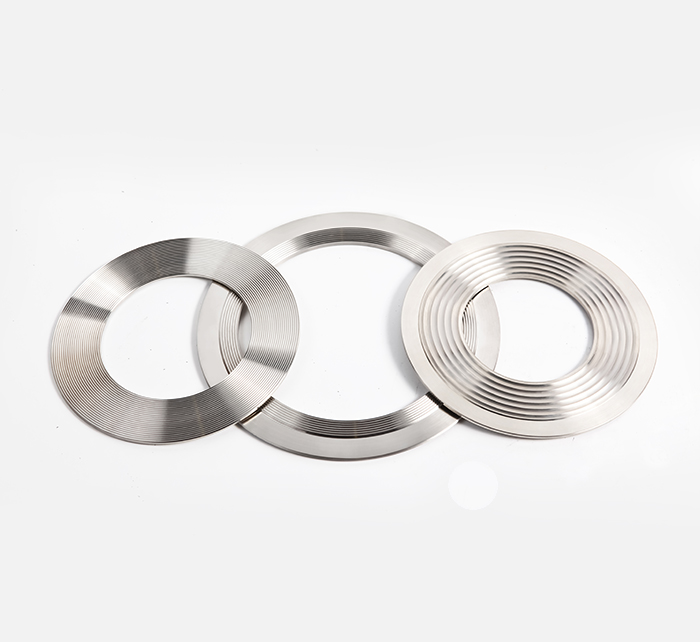
For flanged connections in the same system, consider a 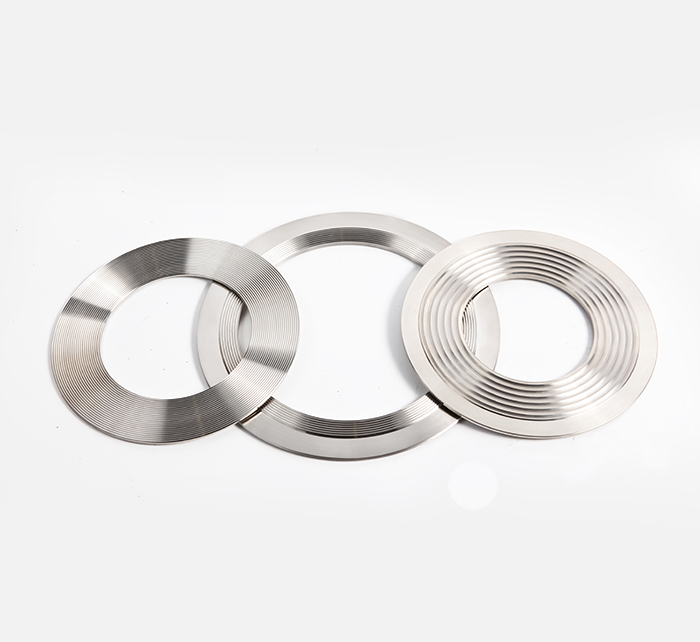 Kammprofile Gaskets for High-Pressure and High-Temperature SealingKammprofile gaskets feature a serrated metal core with soft sealing layers, providing enhanced blowout resistance and reliable sealing under demanding conditions of pressure and temperature.View Product → for higher blowout resistance, or a
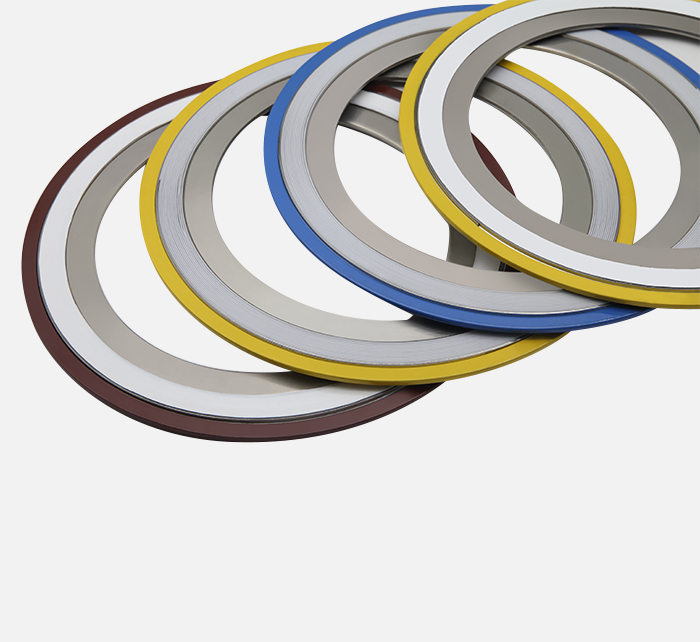
 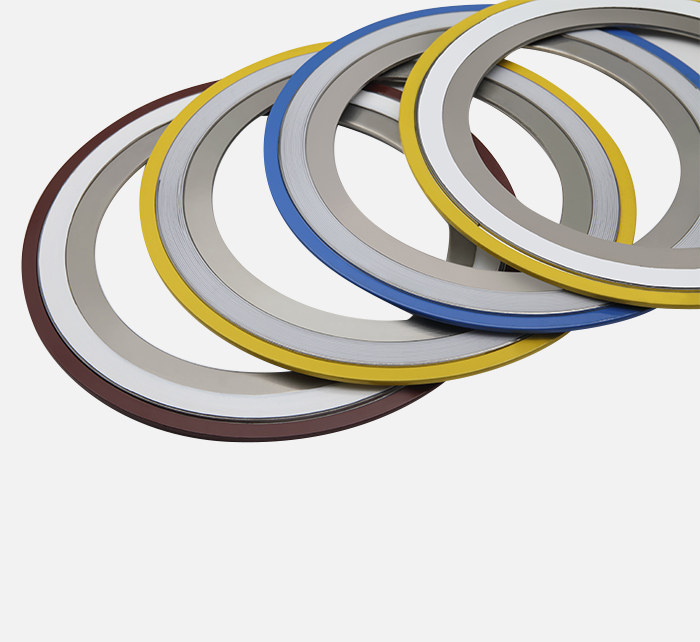 Spiral Wound Gaskets with Resilient Spring-Like ConstructionSpiral wound gaskets use alternating metal wire and soft filler to create a spring-like seal ideal for pressure cycling; centering and inner rings improve positioning and compression control.View Product → for pressure cycling applications.
Selection begins with four parameters: temperature, pressure, pH, and shaft speed. Cross these with the material capabilities from the chart above. A simple rule: choose the most chemically resistant material that meets the maximum temperature. If temperature exceeds 500°C, consider ceramic or graphite with oxidation inhibitors.
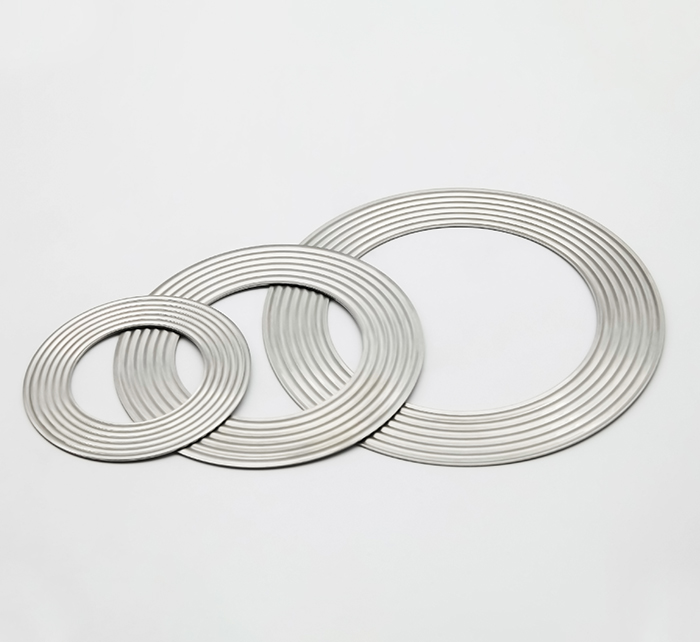
Standard braided packing can handle up to about 20–30 bar in general service. For higher pressures (up to 100 bar), use die-formed rings with anti-extrusion rings. For extreme pressures, combine packing with a 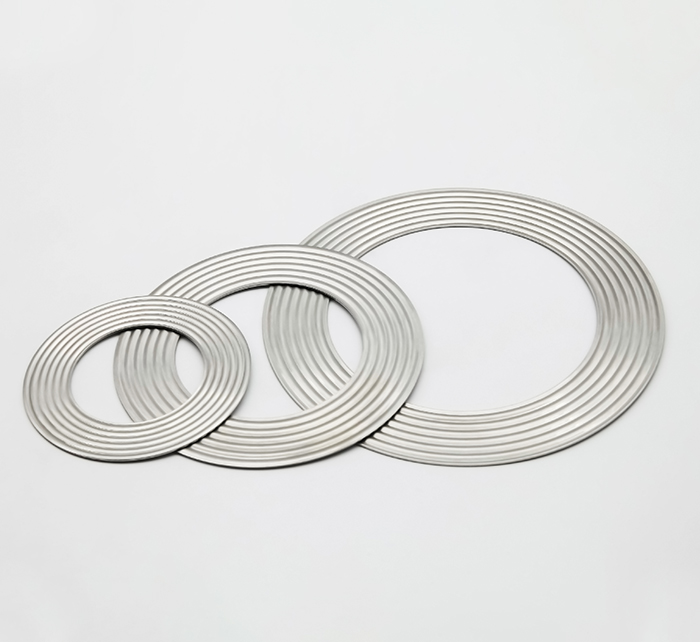 Corrugated Metal Gaskets for Extreme Pressure and TemperatureCorrugated metal gaskets offer outstanding mechanical strength and thermal conductivity, able to handle high temperatures and extreme pressures when used alongside packing for added sealing integrity.View Product → (CMG) at the back of the stuffing box for added sealing integrity.
Shaft surface speed (m/s) dictates packing lubricity and wear. For speeds above 10 m/s, carbon or graphite packings perform best. Lower RPM applications (e.g., valve stems) can use PTFE or aramid. Surface roughness should be ≤ 0.8 µm Ra to reduce packing wear.
Correct installation can triple packing life. Based on industry standards and field experience, follow this sequence:
A: Compression packing relies on controlled leakage for cooling/lubrication; mechanical seals have face contact and aim for near-zero leakage. Packing is easier to replace and less expensive but requires more maintenance.
A: Depends on service: in clean water pumps, packing can last 1–2 years; in abrasive slurry, replacement may be needed every 2–3 months. Inspect at every maintenance cycle.
A: Not recommended. Once compressed, packing loses its resilience. Always install new rings to ensure consistent seal force.
A: It’s a standard target for water service. For a 2-inch shaft, that translates to 16–24 drops/min. This flow provides enough cooling without being wasteful.
A: Possible causes: packing cross-section too small, shaft worn, stuffing box pitted, or wrong material. Check hardware and replace packing with correct size.
A: Yes, widely. It remains the go-to for valve stems, low-speed pumps, and applications where frequent seal changes are uneconomical for mechanical seals. Cost-effective and field-serviceable.

RILSON GASKET
Ningbo Rilson Sealing Material Co., Ltd is dedicated to ensuring the secure and dependable operation of fluid sealing systems, offering clients the appropriate sealing technology solutions.
Copyright © Ningbo Rilson Sealing Material Co., Ltd. All Rights Reserved.
