
 English
 русский
 中文简体
中文简体
RILSON GASKET
Ningbo Rilson Sealing Material Co., Ltd is dedicated to ensuring the secure and dependable operation of fluid sealing systems, offering clients the appropriate sealing technology solutions.
The direct answer is this: the right sealing gasket material is determined primarily by four factors working together — operating temperature range, pressure class, chemical compatibility with the process media, and flange surface condition. Spiral wound and kammprofile gaskets generally suit higher pressure and temperature ranges in petroleum and chemical processing, while non-metallic and graphite-based gaskets often serve lower-pressure or corrosive-media applications. The sections below compare material types, performance ranges, and common failure causes to help engineering and procurement teams match a gasket material to a specific application rather than selecting by habit.
This guide is written from the perspective of Ningbo Rilson Sealing Material Co., Ltd., a sealing material manufacturer founded in 2007 and based in Ningbo, Zhejiang Province, serving petroleum, chemical, power, shipbuilding, and machinery manufacturing sectors.
Content
Selecting Industrial Sealing Gaskets generally starts with defining the operating envelope of the joint rather than browsing a material catalogue first. The checklist below covers the points most commonly reviewed before a material is specified.
Actual material selection should always be confirmed against the specific product data sheet and applicable engineering standard for the installation, since ratings can vary by manufacturer and gasket design.
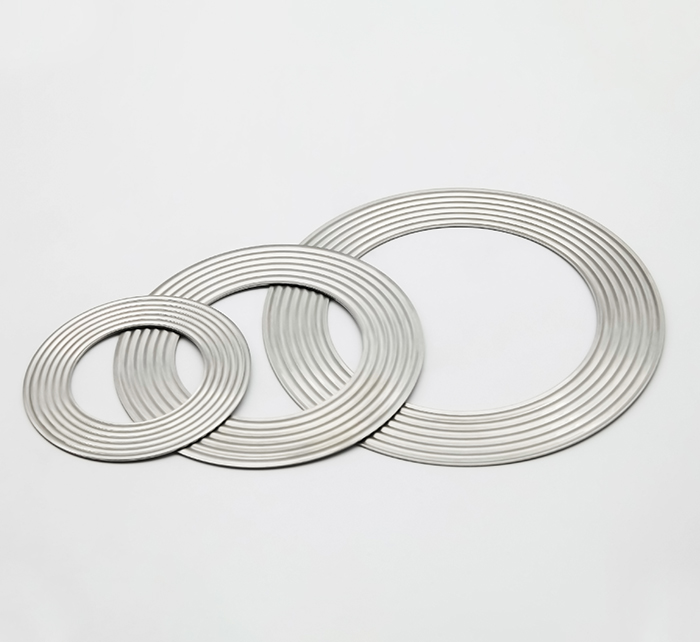
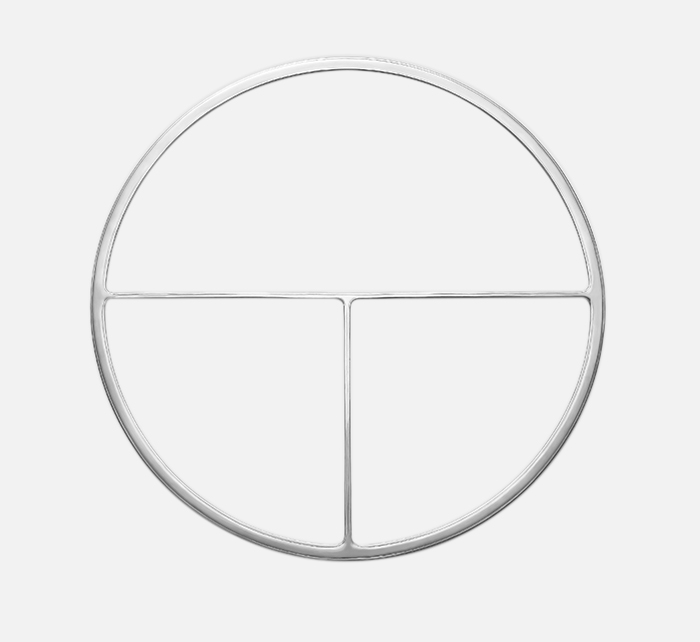
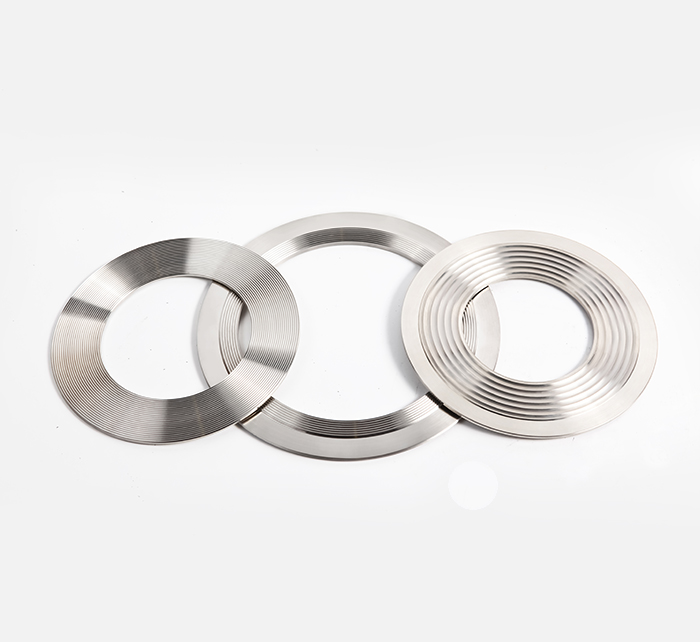
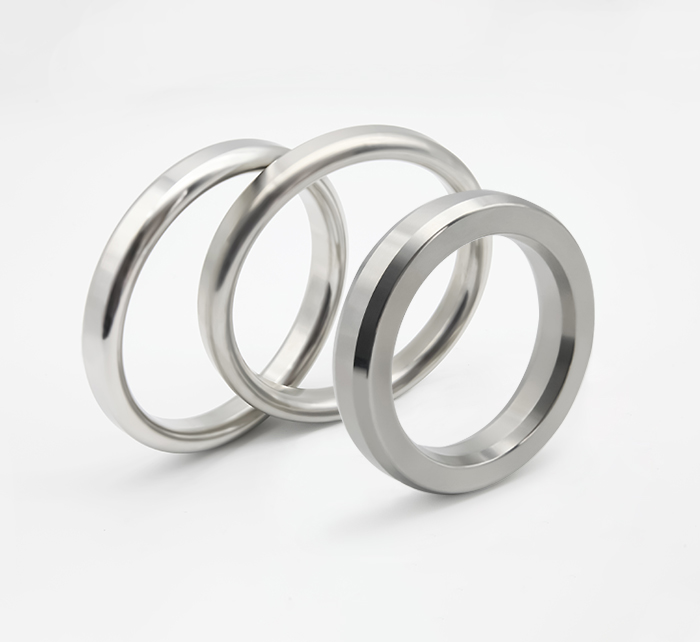
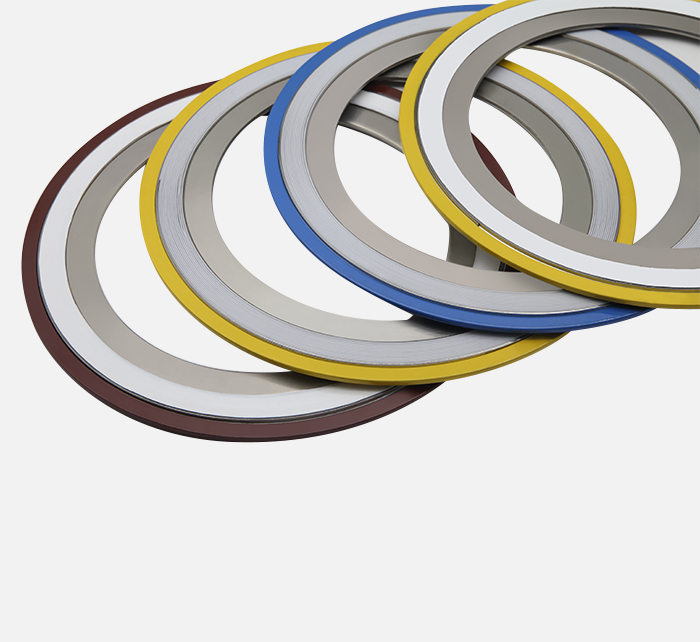
Flange Gaskets come in several distinct construction types, each suited to a different combination of pressure, temperature, and media. Spiral wound gaskets combine a formed metal strip wound together with a soft filler material, offering a resilient seal across a wide range of pressure and temperature conditions. Ring joint gaskets are solid metal rings designed for high-pressure applications, commonly found on wellhead and pipeline flanges. Kammprofile gaskets use a grooved metal core faced with a soft sealing layer, providing strong recovery characteristics for uneven flange loading.
Spiral wound gaskets account for the largest share in this general usage pattern, generally reflecting their versatility across pressure classes and their common use in petroleum and chemical process piping. Non-metallic gaskets follow, often selected for lower-pressure joints or applications requiring specific chemical resistance not well suited to metal-faced designs.
| Gasket Type | Common Application | Typical Service Condition |
|---|---|---|
| Spiral Wound Gaskets | Process piping, valves, exchangers | Wide pressure and temperature range |
| Ring Joint Gaskets | Wellhead, pipeline flanges | High pressure service |
| Kammprofile Gaskets | Heat exchangers, uneven flanges | Moderate to high pressure |
| Corrugated Metal Gaskets | Heat exchangers, low-pressure joints | Low to moderate pressure |
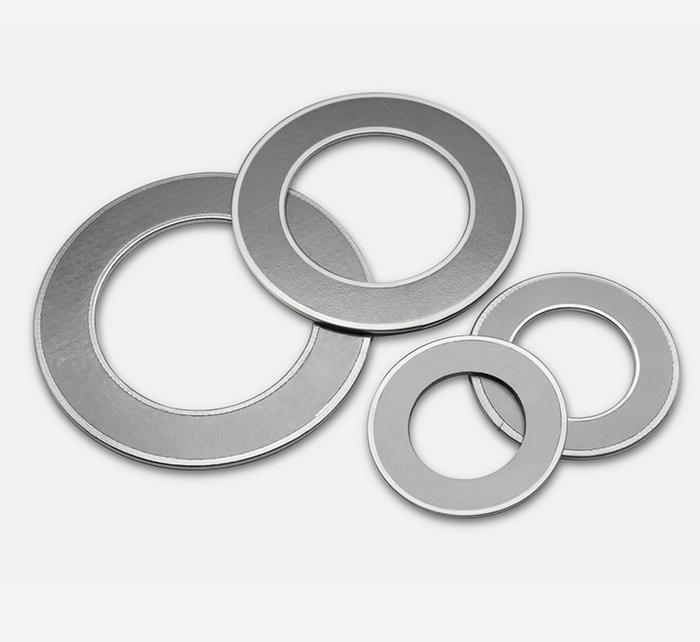
| Non-Metallic Gaskets | Chemical piping, corrosive media | Chemical resistance priority |
Temperature resistance varies considerably across gasket material families, and this is often the deciding factor once pressure class has narrowed the options. PTFE Gaskets generally handle a moderate temperature range and are frequently selected for chemical resistance rather than heat resistance alone, while Graphite Gaskets and metal-based designs typically extend well into higher temperature service.
Corrugated metal and kammprofile designs generally reach the highest continuous service temperatures among common gasket types, which supports their use in power generation and heavy process equipment. PTFE-based non-metallic gaskets sit at the lower end of this range, but remain widely used where chemical resistance to aggressive media matters more than absolute heat tolerance. These figures are general reference points; actual rated limits depend on the specific filler, construction, and applicable standard for a given product.
Different industries generally weigh gasket performance factors differently based on their process conditions. The radar chart below compares six performance dimensions commonly considered when matching a material family to petroleum, chemical, power, or shipbuilding applications.
Temperature resistance and pressure rating generally carry the most weight in petroleum and power applications, where process conditions are often severe and consistent. Chemical resistance becomes the leading factor in chemical processing, particularly for lines carrying acids, solvents, or other aggressive media where Non Metallic Gaskets or PTFE-based materials are frequently specified. Installation ease and sealing reliability matter across all sectors, since a gasket that is difficult to install correctly increases the risk of leaks regardless of its material rating on paper.
Demand for High Temperature Gaskets and High Pressure Gaskets has generally trended upward as process industries expand capacity and push equipment toward more demanding operating conditions. This trend tends to increase reliance on engineered gasket designs, such as spiral wound and kammprofile constructions, rather than simpler flat sheet materials.
The steady upward trend suggests that buyers planning long-term maintenance or turnaround programs should factor in supplier scalability, not only current order fulfillment speed. A manufacturer with multiple active production lines is generally better positioned to support recurring demand for Heat Exchanger Gaskets and other engineered sealing products across a multi-year maintenance schedule.
Gasket failure is rarely caused by a single factor. Improper installation, incorrect torque sequencing, and damaged flange surfaces are among the most frequently cited causes, often outweighing material selection itself when a leak occurs shortly after installation. Selecting a gasket material rated correctly for temperature, pressure, and chemical exposure reduces one major category of risk, but installation practice remains equally important to long-term sealing performance.
| Common Cause | Preventive Measure |
|---|---|
| Improper bolt torque or sequence | Follow a cross-pattern tightening sequence to specified torque |
| Damaged or dirty flange surface | Clean and inspect flange faces before installation |
| Incorrect material for temperature or media | Confirm material rating against process conditions |
| Thermal cycling and vibration fatigue | Select gasket designs with adequate recovery characteristics |
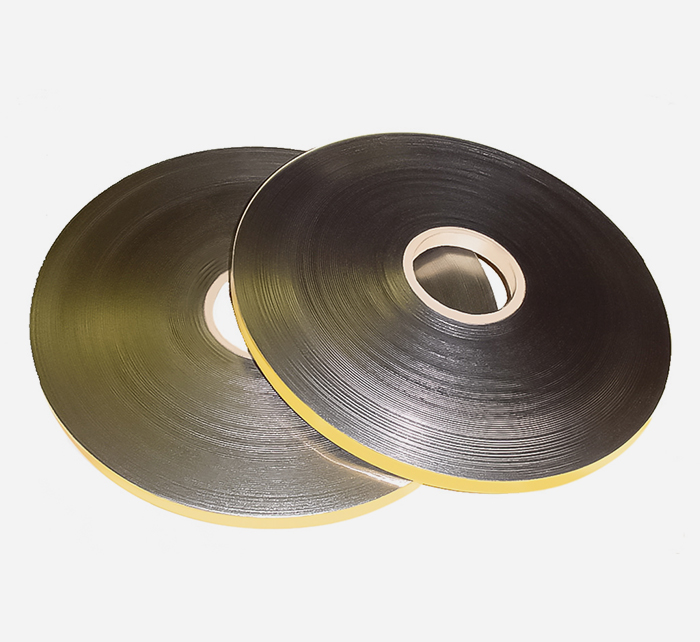
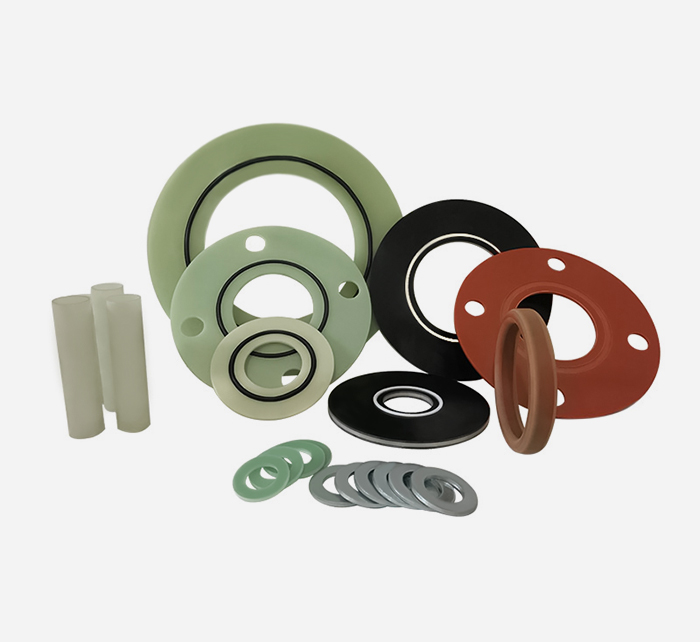
Ningbo Rilson Sealing Material Co., Ltd. operates a manufacturing facility spanning 20,000 square meters, with numerous production lines dedicated to sealing gaskets and related sealing materials for the petroleum, chemical, power, shipbuilding, and machinery manufacturing sectors. The company's primary products include spiral wound gaskets, ring joint gaskets, kammprofile gaskets, corrugated metal gaskets, insulation kit gaskets, and non-asbestos gaskets, alongside gasket raw materials for customers with in-house fabrication capability.
The company has achieved ISO9001:2015 quality management system certification along with an API 6A certificate, and has obtained approvals from prominent companies including GE, Shell, and ExxonMobil. This combination of documented certification and industry approval history is generally a useful reference point for buyers comparing sealing gasket suppliers for petroleum, chemical, or power sector projects.
| Q1. Why do gaskets leak? Leaks generally result from insufficient bolt load, uneven compression, damaged flange surfaces, or a gasket material mismatched to the operating temperature or media. |
Q2. How to prevent gasket failure? Confirm correct material selection for the application, follow proper torque sequencing during installation, and inspect flange surfaces before every installation. |
| Q3. What are the top causes of industrial gasket failure? The most common causes are improper installation torque, damaged flange surfaces, incorrect material selection, and thermal cycling fatigue over time. |
Q4. How to stop flange leakage? Verify the gasket material and dimensions match the flange rating, clean the flange faces, and tighten bolts in a cross-pattern sequence to the specified torque value. |
| Q5. How to clean flange surfaces before installation? Remove old gasket material, scale, or debris with an appropriate scraper or cleaning method, then inspect the surface for pitting or damage before fitting a new gasket. |
Q6. How long do industrial gaskets last? Service life varies by material, operating conditions, and maintenance practice, so gaskets are generally inspected on a scheduled basis rather than assumed to last indefinitely. |

RILSON GASKET
Ningbo Rilson Sealing Material Co., Ltd is dedicated to ensuring the secure and dependable operation of fluid sealing systems, offering clients the appropriate sealing technology solutions.
Copyright © Ningbo Rilson Sealing Material Co., Ltd. All Rights Reserved.
