
 English
 русский
 中文简体
中文简体
RILSON GASKET
Ningbo Rilson Sealing Material Co., Ltd is dedicated to ensuring the secure and dependable operation of fluid sealing systems, offering clients the appropriate sealing technology solutions.
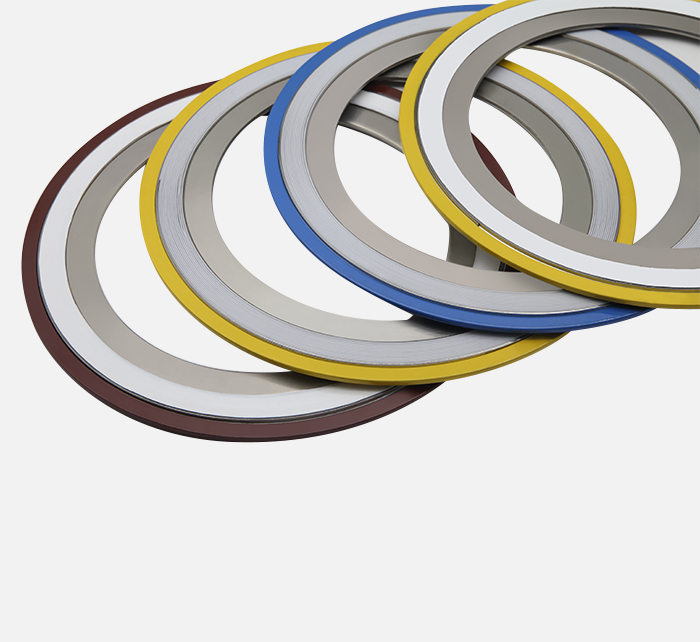
Spiral wound gaskets have become a commonly used sealing material in industrial equipment due to their excellent sealing performance and wide range of applications. Especially in high-temperature, high-pressure, and corrosive environments, spiral wound gaskets effectively ensure the sealing performance of equipment and prevent leakage. However, to further improve their sealing performance, several factors need to be considered, including material selection, design optimization, and installation accuracy.
1. Choosing the Right Material
The sealing performance of spiral wound gaskets is closely related to the properties of the selected material. The winding material and the combination of metal and non-metal materials in the inner and outer layers have a significant impact on its sealing effect.
Selection of Metal Materials
The metal materials for spiral wound gaskets are typically stainless steel, carbon steel, alloy steel, and other metals with strong corrosion resistance and high-temperature resistance. Choosing the appropriate metal material is crucial depending on the operating environment. For example, in high-temperature environments, metals that are resistant to high temperatures and oxidation should be selected; while in highly corrosive chemical environments, materials with better corrosion resistance, such as acid and alkali resistant alloy steel, should be selected.
Non-metallic Filler Materials
The non-metallic portion of spiral wound gaskets typically uses materials such as graphite, PTFE (polytetrafluoroethylene), and rubber. Different non-metallic materials are suitable for different media and operating conditions. For example, graphite has excellent high-temperature resistance and chemical stability, making it suitable for high-temperature and corrosive environments; while PTFE is suitable for milder environments, exhibiting good chemical inertness and corrosion resistance. Selecting the appropriate non-metallic filler material based on operating conditions can significantly improve the gasket's sealing performance.
2. Improving the Design of the Winding Structure
The sealing performance of spiral wound gaskets is not only related to material selection, but also crucially dependent on the design of the winding structure. A good winding structure design can maximize the gasket's sealing performance, pressure resistance, and temperature resistance.
Number of Turns and Density
The sealing effect of spiral wound gaskets is directly related to the number and density of the winding. More turns and higher density enhance the gasket's sealing performance, especially in high-pressure, high-temperature, and large-temperature-difference operating environments. In high-pressure applications, increasing the number and density of turns can effectively enhance the gasket's compressibility and improve the sealing effect.
Adjustment of Winding Angle
The winding angle has a significant impact on sealing performance. The selection of the spiral winding angle needs to be optimized based on the working pressure, medium, and temperature. Generally, a winding angle between 15° and 30° is suitable. Adjusting the winding angle can change the gasket's elasticity and compressibility, thereby improving its sealing performance.

Design of the Outer Metal Ring
The design of the outer ring of a spiral wound gasket also affects its sealing performance. The outer ring is typically used to increase the strength and rigidity of the gasket, preventing deformation during installation. Choosing a suitable outer ring material, such as stainless steel or alloy steel, can increase the gasket's compressive strength and improve the sealing effect.
3. Correct Installation of Spiral Wound Gaskets
Even though spiral wound gaskets are designed and manufactured with excellent sealing performance, improper installation can still lead to seal failure. Therefore, correct installation methods are crucial.
Surface Cleaning: Before installation, ensure that the flange face and gasket contact surface are clean and free of contaminants. Any impurities, rust, oil, etc., can affect the gasket's sealing effect. Thoroughly clean the flange face and gasket contact surface using a cleaning agent and specialized tools to ensure good contact.
Correct Tightening Force: During installation, apply appropriate tightening force according to the design requirements of the spiral wound gasket. Insufficient tightening force will result in a poor gasket seal, while excessive tightening force may cause the gasket to crack or deform, thus affecting the sealing effect. Generally, appropriate torque standards should be followed during installation, and force should be applied evenly.
Uniform Compression: During installation, ensure that the gasket is compressed evenly. Use a crisscrossing sequence to tighten the bolts to avoid uneven stress on the flange. Even compression ensures the overall sealing performance of the gasket and prevents leakage.
4. Special Treatments for Different Working Environments
To improve the sealing performance of spiral wound gaskets in special environments, additional treatment methods can be adopted to enhance their high-temperature resistance, corrosion resistance, and other properties.
High-Temperature Treatment: In high-temperature environments, some metallic and non-metallic materials may deform or fail, thus requiring appropriate treatment methods. For example, using high-temperature resistant metallic materials (such as high-temperature alloys and nickel alloys) and high-temperature corrosion-resistant graphite fillers can enhance the gasket's high-temperature resistance.
Corrosion Protection Treatment: In harsh chemical environments, spiral wound gaskets may be corroded. To improve their corrosion resistance, materials with strong acid and alkali resistance and high corrosion resistance can be selected, such as polytetrafluoroethylene (PTFE) coatings, or suitable anti-corrosion coatings can be used to protect the gaskets.
5. Regular Inspection and Replacement
The sealing performance of spiral wound gaskets may decline over time, especially in harsh environments such as high temperature and high pressure. Therefore, regularly checking the gasket's sealing effect and replacing it promptly is crucial to ensuring long-term sealing performance.
Check gasket compression deformation and aging: Regularly inspect the condition of the gaskets, especially in high-temperature and high-pressure applications, and promptly replace aged, compressed, or damaged gaskets.
Monitor sealing performance: In actual operation, use pressure and temperature sensors to monitor the sealing performance in real time, and adjust or replace gaskets promptly if problems are detected.
Spiral wound gaskets are important sealing elements in industrial equipment, and their sealing performance directly affects the stability and safety of the equipment. The sealing performance of spiral wound gaskets can be improved by selecting appropriate materials, optimizing the winding design, adopting correct installation methods, and conducting regular inspections and maintenance. As the sealing requirements of industrial environments continue to increase, the sealing technology of spiral wound gaskets is also constantly evolving to adapt to more complex application needs. Through these optimization measures, spiral wound gaskets can better meet the sealing requirements of various high-temperature, high-pressure, and corrosive environments, ensuring the long-term stable operation of equipment.

RILSON GASKET
Ningbo Rilson Sealing Material Co., Ltd is dedicated to ensuring the secure and dependable operation of fluid sealing systems, offering clients the appropriate sealing technology solutions.
Copyright © Ningbo Rilson Sealing Material Co., Ltd. All Rights Reserved.
