
 English
 русский
 中文简体
中文简体
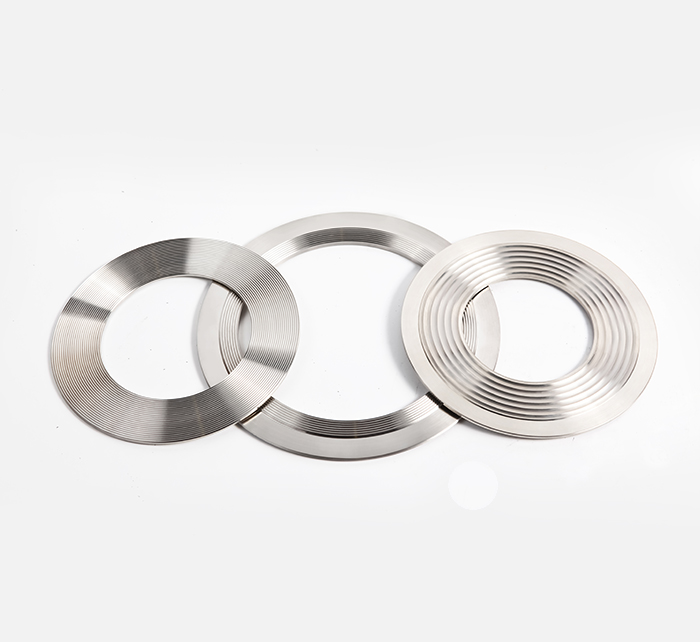
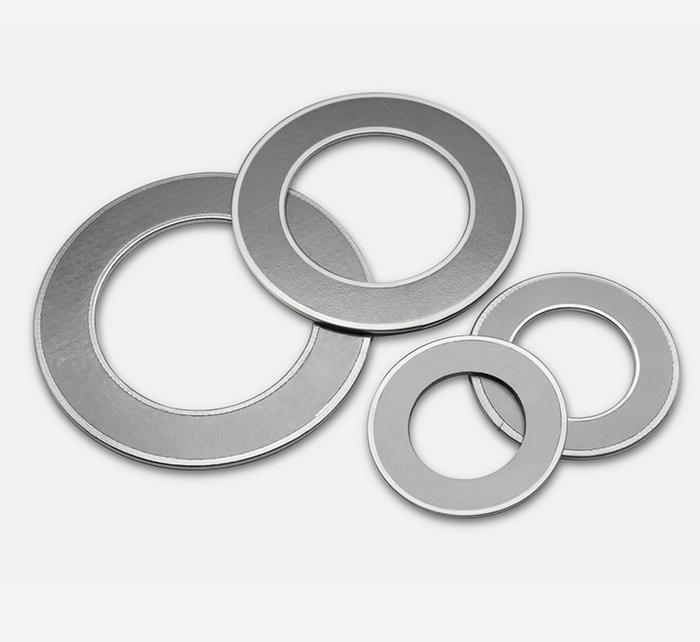
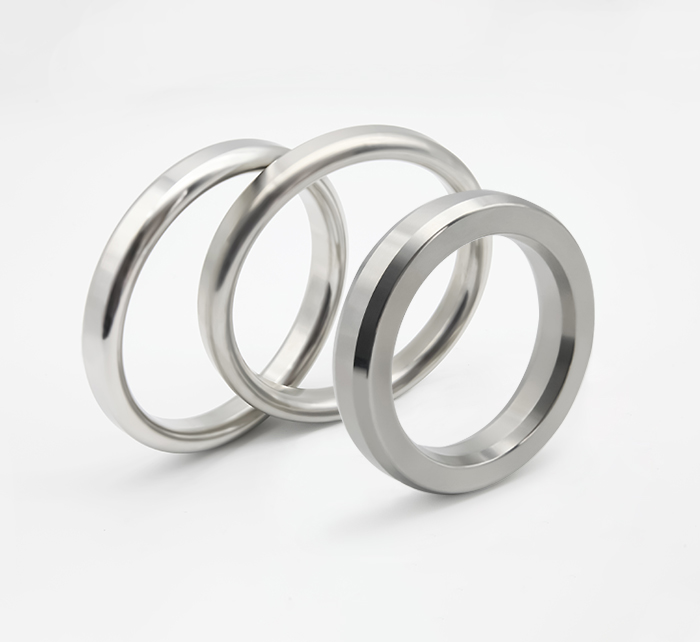
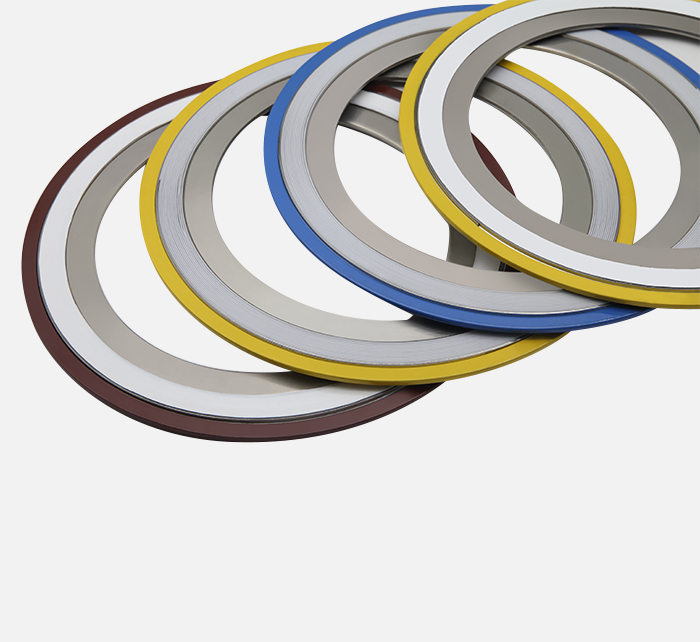
RILSON GASKET
Ningbo Rilson Sealing Material Co., Ltd is dedicated to ensuring the secure and dependable operation of fluid sealing systems, offering clients the appropriate sealing technology solutions.
Heat exchanger gaskets are essential components that ensure the efficient operation of heat exchangers. These gaskets play a crucial role in preventing leaks, maintaining system integrity, and enhancing heat transfer efficiency. In this article, we will discuss the importance of heat exchanger gaskets, their types, factors to consider when choosing them, and how to maintain them for optimal performance.
Content
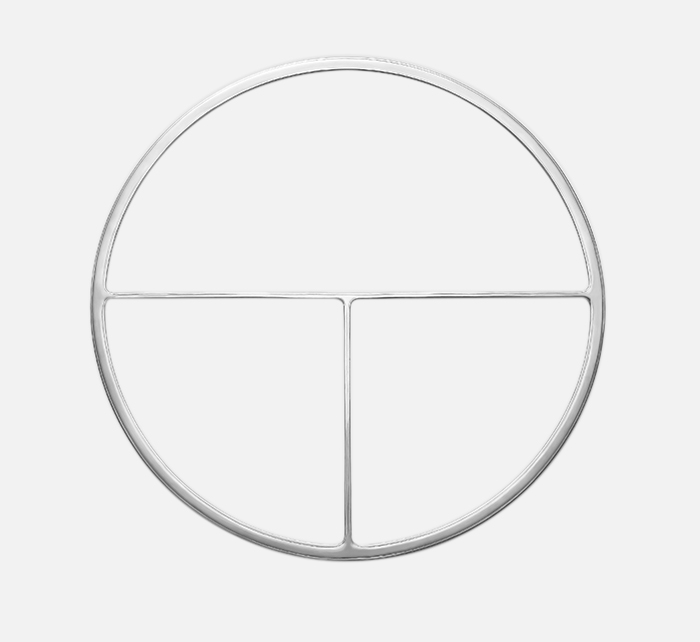
Heat exchanger gaskets are sealing components used between the plates or tubes of heat exchangers. Their primary function is to prevent the leakage of fluids or gases while allowing efficient heat transfer between the hot and cold fluids. A good gasket ensures that the heat exchange process is not compromised and that the system operates without any risk of contamination or loss of efficiency.
There are several types of heat exchanger gaskets, each designed to meet different industrial needs. The most common types include:
Rubber gaskets are widely used in heat exchangers operating under low pressure and temperature conditions. They are flexible, corrosion-resistant, and cost-effective, making them ideal for less demanding applications.
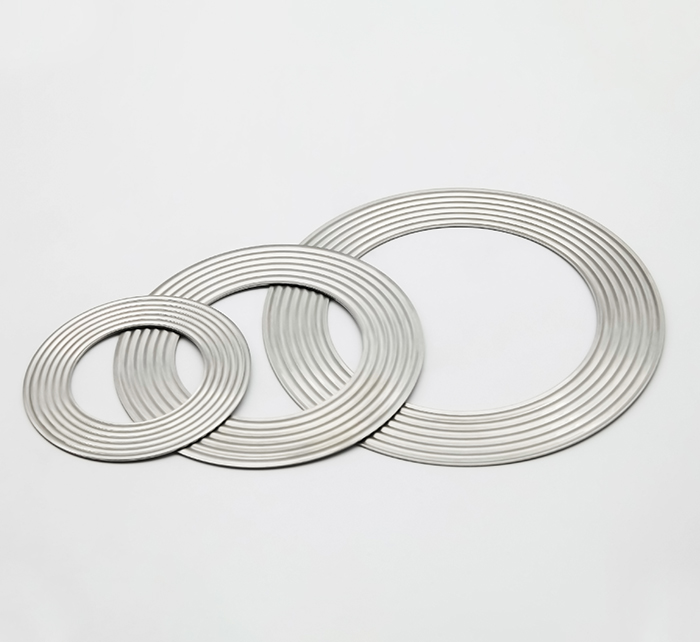
Metal gaskets are designed for high-pressure and high-temperature environments. These gaskets offer superior sealing strength and durability, making them suitable for demanding applications like power plants and chemical processing industries.
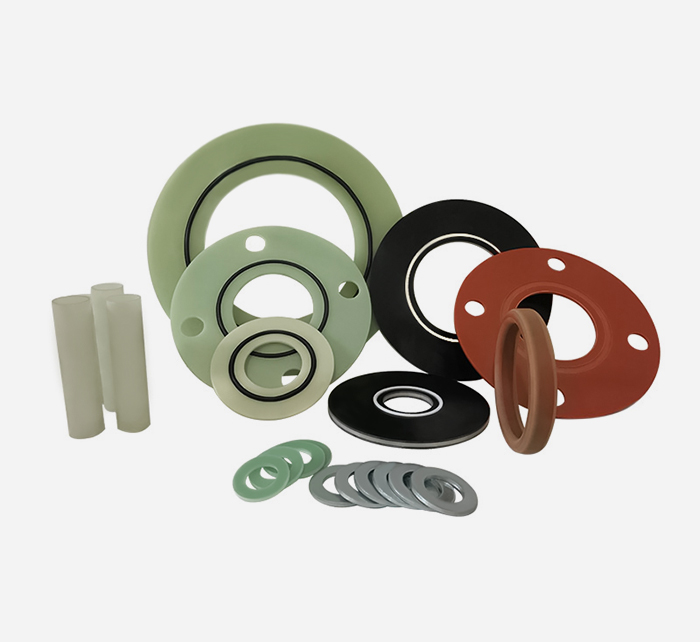
Composite gaskets combine the benefits of multiple materials, offering enhanced resistance to both extreme temperatures and chemicals. They are often used in industries with specialized requirements, such as pharmaceuticals and food processing.
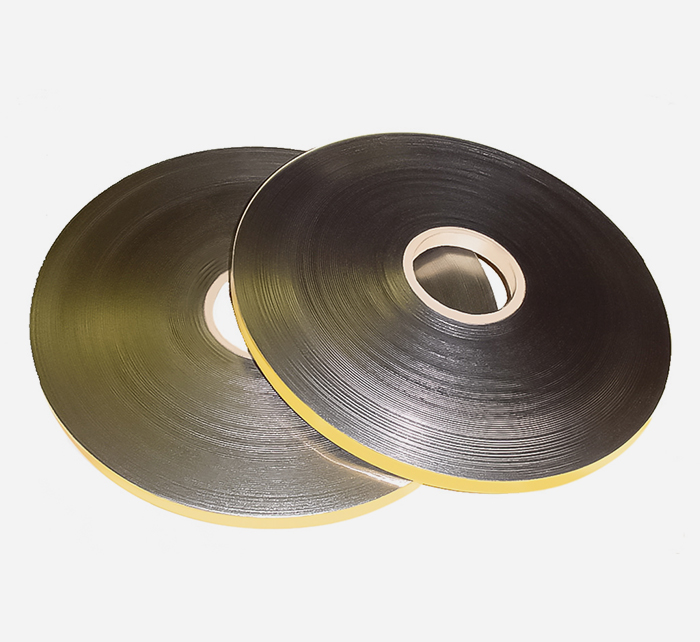
Graphite gaskets are ideal for high-temperature and high-pressure applications. They provide excellent thermal resistance and are highly resistant to chemical corrosion, making them suitable for the oil, gas, and chemical industries.
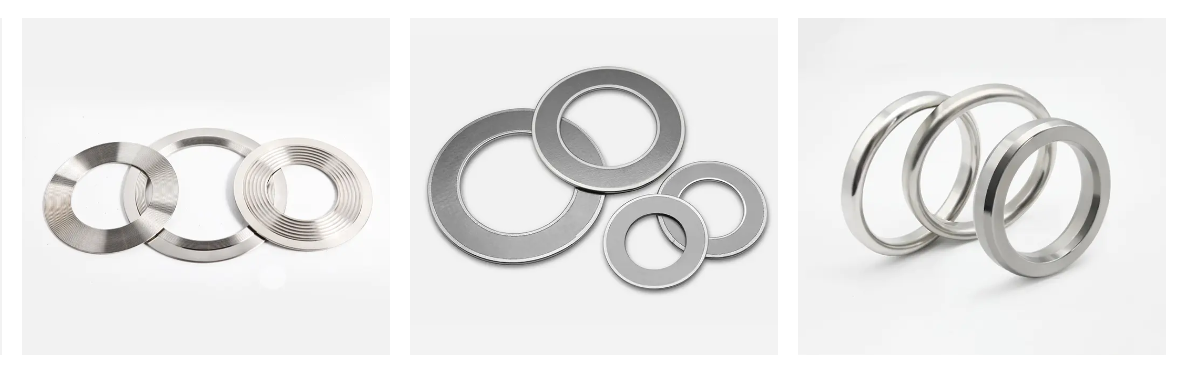
When selecting a heat exchanger gasket, several factors should be considered to ensure optimal performance and longevity:
The gasket material must be able to withstand the temperature and pressure conditions of the specific heat exchanger application. Different materials offer varying levels of resistance to these factors, so selecting the right gasket is crucial for maintaining system integrity.
Heat exchanger gaskets must be resistant to the chemicals present in the fluids being exchanged. Choosing a gasket that can withstand chemical exposure is vital to prevent degradation or failure of the seal.
A gasket's primary role is to prevent leaks. It is essential to choose a gasket with superior sealing properties to ensure that fluids do not mix, which could negatively affect system performance.
Durability is a key consideration. High-quality gaskets can significantly reduce maintenance costs and downtime by lasting longer under continuous operation. It’s important to choose gaskets that can handle the operating conditions for extended periods.
Regular inspection and maintenance of heat exchanger gaskets are essential for ensuring the longevity and reliability of the heat exchanger system. Over time, gaskets can degrade due to temperature fluctuations, pressure, and chemical exposure, leading to leaks or a loss in sealing performance.
Heat exchanger gaskets should be inspected periodically for signs of wear, tear, or degradation. A visual check for cracks, deformations, or leakage is necessary to identify gaskets that may need replacement.
When a gasket shows signs of failure, it is important to replace it with one that matches the specifications of the original. Proper installation of the new gasket is crucial to ensuring a tight, leak-free seal.
Heat exchanger gaskets are vital to the performance, safety, and efficiency of heat exchangers. By choosing the right gasket material, considering important factors like temperature, pressure, and chemical compatibility, and performing regular maintenance, you can ensure that your heat exchanger systems operate at their best. Investing in high-quality gaskets and proper maintenance will ultimately enhance system longevity and reduce operational costs.

RILSON GASKET
Ningbo Rilson Sealing Material Co., Ltd is dedicated to ensuring the secure and dependable operation of fluid sealing systems, offering clients the appropriate sealing technology solutions.
Copyright © Ningbo Rilson Sealing Material Co., Ltd. All Rights Reserved.
